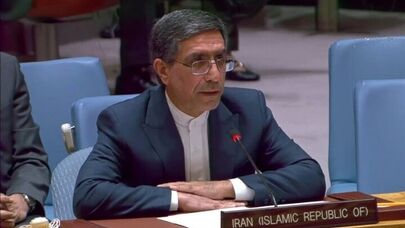
In a statement on Thursday, the Assembly of Experts addressed key domestic and foreign policy issues, particularly growing public calls for withdrawal from the NPT, the need to revise the country's defense doctrine, continued resistance on the battlefield, and dignified diplomacy.
Addressing threats against Iran, particularly those targeting its nuclear capabilities, the Assembly said such threats demonstrated that the country could not rely on international institutions responsible for safeguarding its interests.
"Therefore, examining the issue of withdrawal from the NPT, reviewing the country's defense doctrine and establishing the necessary deterrence have become an inevitable necessity and a public and national demand," the statement said, urging officials to address this demand under the Leader's guidance.
The Assembly also cautioned officials against making concessions to Washington, citing the Leader's remarks that "those who believe that by granting concessions to America they can dissuade it from hostility toward the Iranian nation are seriously mistaken."
It further quoted him as warning, "The slightest inclination toward surrender to an arrogant and domineering enemy will squander the immense capital accumulated through the blood of martyrs and the sacrifices of the entire nation, emboldening the arrogant enemy to make further excessive demands and engage in subsequent wars and acts of aggression."
The Assembly called on government officials, alongside the armed forces and the Iranian people, to stand firm in pursuing the country's rights and demands, expressing confidence that they would have the support of the nation and divine assistance.
The statement warned that Iran's enemies were now relying on economic warfare to undermine the country's resilience, pointing to their attempts to impose an air and land blockade and damage the country's economic lifelines.
It also proposed the establishment of a wartime economic headquarters involving the country's different branches of government and operating under the supreme oversight of the Leader's office, saying such a mechanism could further strengthen Iran's economic defense and help organize the country's response to economic warfare.
The Assembly warned that any renewed aggression against Iran would face a decisive response, stating "If the unsuccessful enemies seek to test their ill-fated fortunes once again and launch another attack, they will certainly face an immediate and effective response from our heroic forces, without geographical limitations."
It also called on the Foreign Ministry to follow the same course, serve as the voice of Iran's resistance and convey the country's firm message to all parties, particularly its neighbors.
Stressing that regional security could only be ensured by the countries of the region, the statement said, "The presence of foreigners who have come here from thousands of kilometers away not only does nothing to help regional security but is itself the main source and cause of insecurity. The principal solution to this crisis is the withdrawal of these enemies who present themselves as friends from the region."
The statement highlighted the victories of Yemen's fighters and the resistance of Lebanese fighters, saying their achievements had demonstrated the effectiveness of the strategy of unity among resistance fronts. It stressed that continued support for allies in the resistance front must remain a key priority.
It also pointed to mounting crises and protests in European countries, as well as electoral defeats suffered by pro-war forces in the United States and the Israeli regime, saying these developments demonstrated the consequences of supporting aggressors.
In another part of the statement, the Assembly strongly condemned unjust court rulings in certain regional countries against citizens, particularly young people and religious scholars.
It called the rulings "a blatant violation of the religious rights of Muslims, human dignity and the elevated status of religious scholars," urging the governments concerned to revoke them and strengthen national unity against common enemies in the region.