Military developments are unfolding simultaneously on several fronts across the region, with the Strait of Hormuz once again at the center of the Iran-US war. Reports indicate an increase in attacks on commercial vessels in the waterway, changes in tanker routes, and a significant decline in oil shipments. At the same time, Yemeni attacks on Saudi Arabia and Riyadh’s military response have raised the prospect of a further expansion of the conflict.
Attacks on Ships in the Strait of Hormuz Intensify
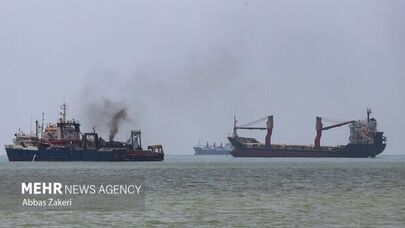
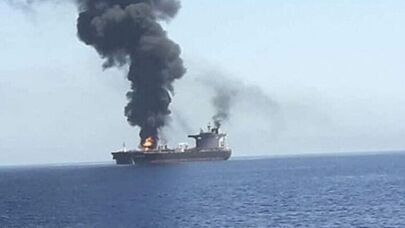
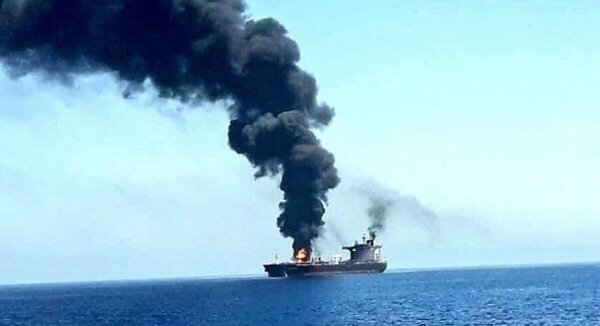
According to a Reuters report citing two senior Iranian officials, Iran has changed its tactics in recent days to counter vessels that Tehran considers to be violating restrictions imposed in the Strait of Hormuz. The report claims that the changes involve the type, speed, and frequency of attacks, adding that operations could extend beyond the strait to other areas, including the Gulf of Oman and waters near Qatar and the United Arab Emirates.
Meanwhile, a Financial Times report says 24 vessels have been targeted over a two-week period, with six ships coming under attack in a single day. Data cited by the newspaper also point to a sharp decline in oil shipments through Hormuz. Daily oil flows reportedly fell to 2.9 million barrels on one recent day, compared with an average of 15.5 million barrels per day in September.
The decline in shipping traffic through the strait has also prompted tanker owners to change course. Some vessels have moved away from the area and turned to alternative routes. Longer voyages and increased reliance on ship-to-ship transfers have further boosted demand for tankers, driving freight rates sharply higher.
Fresh Pressure on Oil and Shipping Markets
The significance of developments in Hormuz extends beyond maritime security. Any sustained reduction in tanker traffic could disrupt energy markets and push up the cost of shipping and insuring oil cargoes.
The Financial Times has reported that daily earnings for supertankers have reached a record $805,000. Longer shipping routes and disruptions to cargo movements have increased demand for tankers, adding to pressure on the maritime transport market.
Attack on Iranian Fishing Boat and Developments on the Saudi Front
Inside Iran, the Hormozgan provincial administration has reported that an unidentified drone struck a fishing boat near Bandar Kolahi in Sirik County. According to preliminary reports, three people on board were injured. No fatalities have been reported so far, and local officials say investigations into the incident are ongoing.
Meanwhile, Saudi Arabia has faced a new wave of Yemeni attacks. Reports indicate that missile and drone strikes have targeted Riyadh and critical Saudi infrastructure. Recent reports also say an Aramco office building in Dhahran was targeted, although no injuries have been reported in that incident.
Attacks on Riyadh's King Khalid International Airport have also emerged as one of the most significant developments in recent days. Reports indicate that several civilians were killed or injured and that airport operations were disrupted. In response, Saudi officials have intensified attacks on Ansarullah positions in Yemen.
Risk of Wider Conflict Grows as Diplomatic Efforts Continue
Amid the escalating hostilities, the possibility of more direct US involvement on the Yemen front has become a key concern. US President Donald Trump has not taken a definitive position on whether Washington will join Saudi attacks against Ansarullah, but he has said that he is monitoring the group's actions. Ansarullah, in turn, has warned that any direct US intervention would prompt retaliation against American forces and interests in the region.
Against this backdrop, Pakistan has stressed the need for restraint among the parties involved and a return to diplomacy. Pakistan's foreign minister has also called for freedom of navigation through the Strait of Hormuz and the Bab al-Mandab Strait. The position underscores how concerns over the crisis's security and economic consequences are spreading beyond the parties directly involved in the fighting.
Taken together, these developments indicate that the conflict is no longer confined to direct attacks involving Iran, the United States, and their allies. It is increasingly affecting maritime security, energy markets, and infrastructure across the region.
Under these circumstances, any further escalation in the Strait of Hormuz or the entry of additional actors into the Yemen conflict could widen the crisis. At the same time, diplomatic efforts to ease tensions remain one of the available avenues for preventing a further expansion of the fighting.