Part of this situation stems from sanctions, restrictions on foreign currency revenues, declining oil exports, uncertainty surrounding negotiations, and political and regional tensions. However, the economy’s structural problems, budget deficits, monetary growth, banking imbalances and declining investment must not be overlooked either.
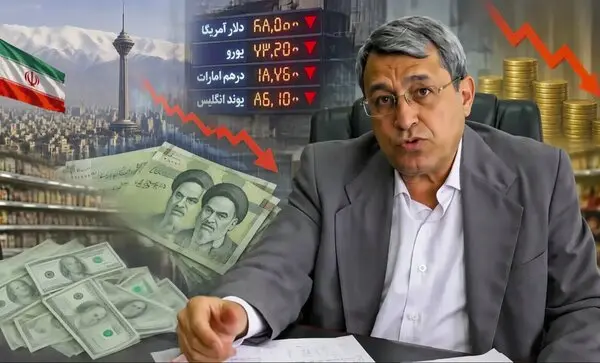
The unprecedented rise in the dollar exchange rate in Iran’s economy is no longer merely a currency issue; it has become one of the country’s most serious economic and social challenges. The continuous depreciation of the national currency has eroded household purchasing power and sharply increased the cost of living, including the prices of basic goods, housing, medicine and services. Part of this situation stems from sanctions, restrictions on foreign currency revenues, declining oil exports, uncertainty surrounding negotiations, and political and regional tensions. However, the economy’s structural problems, budget deficits, monetary growth, banking imbalances and declining investment must not be overlooked either.
Under these circumstances, although the Central Bank has an important responsibility for managing the foreign exchange market and controlling inflation, it cannot establish stability on its own without coordination with the government's fiscal and economic policies. The fundamental solution lies in rebuilding public confidence, controlling inflation, reforming the banking system, supporting production, and attracting domestic and foreign investment. Reducing foreign tensions and expanding economic relations with the rest of the world could also help increase foreign currency revenues. The reality is that people can no longer withstand repeated economic shocks. Economic stability must become an immediate, practical priority rather than remain a slogan.
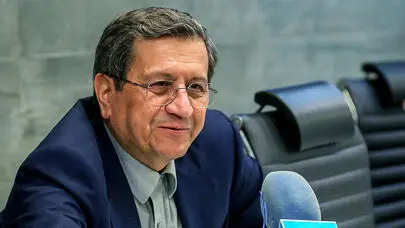
Bahman Arman, an economic analyst and former deputy head of the Securities and Exchange Organization, discussed the causes of the disorder in the foreign exchange market and ways to address the situation in an interview with Nournews.
The dollar was trading at around 3,000 to 4,000 tomans approximately 10 years ago, but today it has reached much higher levels. Even Mr. Hemmati was impeached by members of parliament about a year and a half ago over the dollar reaching 80,000 tomans. Now that the exchange rate has risen several times above 80,000 tomans, what is the main reason for this surge?
The rise in the exchange rate cannot be attributed solely to the performance of one government or one individual. We are facing a combination of accumulated economic problems, ranging from chronic inflation and monetary growth to budget deficits, declining investment, sanctions and political uncertainty. When the national currency continuously loses value, it is natural for the dollar's price to rise as well. The main issue, therefore, is the country's economic structure, not simply the management of a particular period.
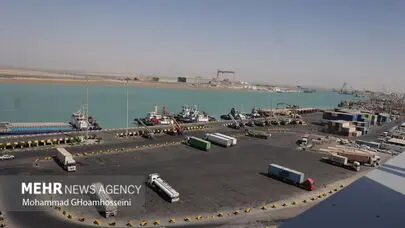
Some believe that the failure of negotiations to produce results, regional tensions, issues surrounding Iran's maritime security, declining oil revenues and export restrictions are among the main factors driving up the dollar's price. To what extent do you agree with this assessment?
These factors have a considerable impact. Iran's economy is heavily influenced by developments in foreign policy. Whenever the prospect of intensified sanctions or military conflict increases, inflationary expectations rise, as does demand for foreign currency and safe-haven assets. Declining foreign currency revenues also constrain the supply of foreign exchange. However, we should not forget that these factors have a greater impact when combined with the economy's structural weaknesses.
Some hold the Central Bank responsible for the current state of the foreign exchange market. To what extent is the Central Bank responsible for the disorder in the currency market, and can it stop the dollar from rising on its own?
The Central Bank has an important responsibility for controlling inflation, managing liquidity, setting monetary policy and regulating the foreign exchange market. However, we should not expect it to resolve all economic problems on its own. When the government is running a budget deficit, the banking system is facing imbalances and foreign currency revenues are constrained, the Central Bank's policy tools are also limited. This does not absolve the Central Bank of responsibility; rather, it shows that monetary policy reform must go hand in hand with fiscal and structural reforms.
Can we say that Iran's economy has been facing an investment crisis for more than a decade, and that this has led to declining production, rising unemployment and a weakening national currency?
Absolutely. One of the most significant problems facing Iran's economy is the low level of gross fixed capital formation and the shortfall in investment relative to the country's needs. When new investment does not take place, production capacity does not expand, and even existing infrastructure begins to deteriorate. The result is lower productivity, constrained supplies of goods and services, reduced employment and, ultimately, greater inflationary pressure. Problems in the gas, electricity, water and transportation sectors are also part of this investment crisis.
Given that we are in a neither-war-nor-peace situation and there is no clear outlook for the future of our foreign relations, can anything be done domestically to ease the economic pressure on the public?
Certainly. We should not attribute every economic problem to sanctions. Sanctions increase the cost of economic activity, but there is considerable room for reform within the country. Reforming the banking system, cutting unnecessary government spending, combating corruption, improving the business environment, ensuring regulatory stability and supporting private-sector investment can all help improve economic conditions, even under sanctions.
You have emphasized the need for investment in infrastructure and development projects. More specifically, which projects could help reduce unemployment and increase economic growth?
Iran needs extensive investment in infrastructure. For example, expanding expressways, completing railway lines, modernizing the transportation network, developing energy infrastructure and investing in housing could serve as engines of economic growth. In addition to creating jobs directly, these projects would stimulate hundreds of other economic activities, ranging from the steel and cement industries to engineering and transportation services. However, projects must be selected according to their economic priority and actual returns.
In this regard, housing can be considered one of the most important drivers of the economy. The government can increase construction by making land available, providing infrastructure, streamlining the permit process and drawing on the private sector's capacity. At the same time, effective policies must be implemented to expand rental housing and provide adequate housing for low-income households. This would create jobs while also easing the burden of housing costs on families. However, financing for these projects must be structured in a way that does not lead to further liquidity creation and inflation.
Is Iran's economy really being held hostage by foreign policy?
Yes. Iran's economy is to a considerable extent affected by foreign policy and restrictions on its engagement with the global economy. However, we should not regard it as being entirely held hostage by foreign policy. Improving foreign relations and easing sanctions could facilitate access to global markets, capital, technology and foreign currency revenues. Nevertheless, without domestic reforms, even the lifting of sanctions would not guarantee sustainable growth.
The main solution is to pursue two tracks simultaneously. The first is to review foreign policy with the aim of reducing tensions and creating the conditions for economic engagement with the world. The second is to reform the domestic economic structure by controlling inflation, reforming the banking system, increasing investment, developing infrastructure and supporting production. In fact, for Iran's economy to overcome its current predicament, it needs both de-escalation in foreign policy and serious domestic reforms. Neither is sufficient on its own.