After several months, Iran’s latest actions have once again shifted the focus of its attacks from ships to land-based targets in the region. This time, Iran is demonstrating that it will respond firmly and decisively to any military move or provocation. If such provocations continue, Iran’s response could potentially extend beyond Bahrain to countries such as the UAE and Qatar.
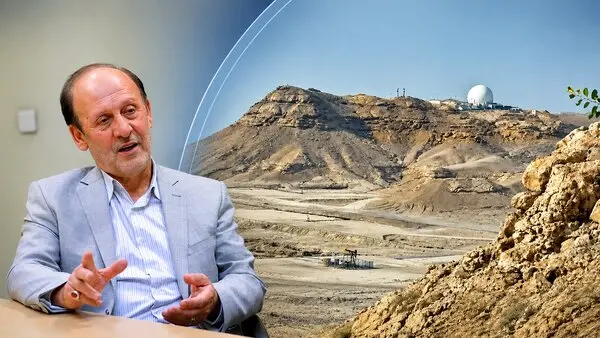
To examine Iran’s new policy on responding militarily to US activities in the region, Nournews spoke with Jalal Sadatian, a former diplomat and international affairs analyst.
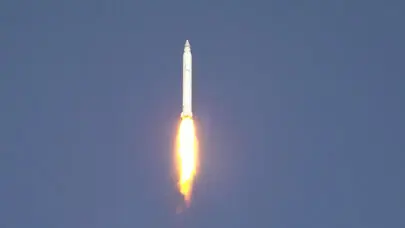
Over the past week, a new pattern of military confrontation between Iran and the US has emerged in the Persian Gulf region. Various IRGC units have repeatedly targeted US early-warning radar systems in Bahrain. Iran has described these actions as retaliation for a US attack on a telecommunications tower in the Sirik area or other locations. The US, for its part, claimed to have intercepted the Iranian launches, but considerable evidence suggests that the missiles successfully struck their targets.
There were also reports that Iran had targeted a US radar system at Bahrain's Al Riffa base. In recent days, warning sirens have sounded repeatedly in various parts of the country. After several months, Iran's latest actions have once again shifted the focus of its attacks from ships to land-based targets in the region.
The significance of these attacks lies in the important role that US military bases and radar systems play in the air security of regional countries. It is clear that these actions are a response to provocative conduct by US forces in the Persian Gulf. Iran is demonstrating this time that it will respond firmly and decisively to any military move or provocation. If such provocations continue, Iran's response could potentially extend beyond Bahrain to countries such as the UAE and Qatar.
To examine Iran's new policy on responding militarily to US activities in the region, Nournews spoke with Seyed Jalal Sadatian, a former diplomat and international affairs analyst.
How do you assess Iran's attacks on US radar sites in Bahrain and other locations in the region?
Iran views these actions as reciprocal responses to US attacks on some of its military and radar infrastructure. From Tehran's perspective, attacks on Iranian radar systems could undermine the country's ability to detect and counter potential attacks. Iran is therefore seeking to demonstrate that it will respond to US military actions. However, any assessment of the damage inflicted on either side's facilities should be based on verified information.
Despite the continuation of diplomatic negotiations, reports indicate that the US is maintaining its military preparations in the region. What message do these activities send to Iran?
From Iran's perspective, the continued reinforcement of US military bases, the deployment of aircraft carriers and the transfer of military equipment to the region indicate that Washington has not yet ruled out the military option. Tehran believes that, despite its emphasis on diplomatic talks, the US is preparing for possible military scenarios. This is why Iran is closely monitoring US military movements.
What factors could push Trump toward launching a new round of military confrontation with Iran?
Several factors can be considered in this regard. First are pressure from the Israeli government and Benjamin Netanyahu personally to increase pressure on Iran. Second is the role of pro-Israel lobbying groups, particularly AIPAC, in the US political arena. Third are Trump's political character and his inclination to project strength and secure a major foreign policy achievement. Domestic pressures and the Republican Party's electoral difficulties could also influence his political calculations. These factors, however, do not mean that Trump has definitively decided to go to war.
What role do regional countries, particularly Saudi Arabia, Qatar, Oman and the UAE, play in escalating tensions or preventing a slide toward war?
Regional countries understand very well that a new war between Iran and the US would not be confined to those two countries. The security of the Persian Gulf, energy facilities, trade routes and the economies of Arab countries would all be directly affected. For this reason, countries such as Qatar, Oman, Saudi Arabia and even the UAE are seeking to prevent the conflict from spreading through political and diplomatic consultations. They regard the economic and security costs of a regional war as extremely high.
Could economic pressures and public opinion in the US and Western countries prevent Trump from taking military action?
Yes. This is one of the important factors that could deter such a decision. An escalation of tensions in the region could drive up oil and fuel prices and disrupt the supply chains for goods and energy. The continued closure or restriction of shipping through the Strait of Hormuz would also have far-reaching consequences for the global economy. At the same time, rising prices for gasoline, food and essential goods could fuel domestic discontent in the US. Trump therefore faces considerable economic and political pressure when considering military action.
In light of all these developments, is the region moving closer to war, or are the prospects for resolving differences through negotiations improving?
At present, both possibilities remain open. On the one hand, continued US military preparations, deep disagreements between Tehran and Washington, and the situation in the Strait of Hormuz are increasing the risk of confrontation. On the other hand, diplomatic efforts by Qatar, Oman, Pakistan and Egypt, as well as consultations involving major powers such as China and Russia, could help ease tensions.
In my view, diplomacy currently carries somewhat greater weight, although the threat of war remains serious. The US may be seeking to maintain a state of neither war nor peace in order to force Iran to accept its demands through economic, political and psychological pressure. Ultimately, a lasting solution lies not in escalating confrontation, but in dialogue, agreement and mutual respect for the interests and security of both sides.