The US midterm elections, scheduled for November 3, 2026, are not merely a vote that will determine the political and partisan composition of the country’s legislative branch. More importantly, they will serve as a measure of how satisfied Americans are with the performance of the current administration, which took the reins of the executive branch two years ago.
The results could also offer an indication of the direction the United States will take over the next two years, at the end of which the next presidential election will determine Donald Trump’s successor. This makes the 2026 midterm elections particularly significant.
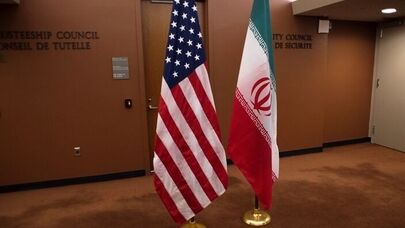
In this election, all 435 seats in the House of Representatives and 35 of the Senate’s 100 seats will be contested. Gubernatorial elections will also be held in dozens of states. The most significant feature of this year’s elections is that they are taking place amid the US war against Iran and its economic, security, and political repercussions—a crisis that has become a major issue in the election campaigns.
Republicans currently control both chambers of Congress, but their majorities are relatively narrow. In the House of Representatives, Democrats need a net gain of four seats to secure a majority. In the Senate, Republicans hold a fragile majority of 53 seats, compared with 47 seats held by Democrats and independents who caucus with them. Democrats would also need a net gain of four seats to shift the balance of power in the Senate.
Polls published in the final weeks of the campaigns indicate that Democrats are in a favorable position nationally. A Democratic victory in either or both chambers could constrain the Trump administration’s room for maneuver.
Under such circumstances, passing budgets, advancing economic and immigration policies, and securing confirmation for key appointments could become more difficult. Congressional committees could also step up oversight and investigations into the administration’s performance. Conversely, if Republicans retain their majorities, Trump will have greater latitude to pursue his political agenda.
From this perspective, the midterm elections are not simply a contest between two parties; they are a test of the limits of presidential power within the US political system.
Meanwhile, the US attack on Iran has emerged as a major issue in the 2026 elections, while the economy continues to play a central role in shaping voters’ decisions. Inflation, housing costs, food prices, health insurance, and, above all, gasoline prices are among the main concerns of American voters. During his political campaigns, Donald Trump pledged to improve economic conditions by lowering the cost of living, strengthening domestic production, and changing trade policies. However, rising energy costs and the economic pressures stemming from the war with Iran have made fulfilling those promises more difficult.
In this context, Democrats are seeking to link rising prices to the Trump administration’s decisions and the consequences of the war. Republicans, meanwhile, emphasize the need to confront security threats and prevent what they describe as Iran’s pursuit of nuclear weapons.
For many voters, however, the main issue is not the war’s stated objectives but its direct impact on their purchasing power and household finances. This has turned foreign policy from an issue primarily associated with national security into a factor with tangible consequences for the daily lives of American citizens.
One of the most significant differences between the 2026 midterm elections and many previous US elections is the direct role of the war with Iran in shaping the country's political climate. The war, which began on February 28, 2026, has become a major point of contention between Republicans and Democrats, in addition to its military and diplomatic repercussions. Rising energy prices, fears of an escalation in the conflict, and questions about the war’s objectives and costs have placed the Trump administration in a difficult position.
The first impact of the war is the mounting economic pressure on voters. Disruptions in the global oil market and insecurity in the Strait of Hormuz, one of the world's most strategic energy transit routes, have affected oil and fuel prices. Higher energy costs also directly and indirectly drive up transportation, production, and distribution expenses. As a result, even Americans with little interest in foreign policy may feel the consequences of the war when paying for gasoline, buying groceries, or covering household expenses.
These conditions have given Democrats an opportunity to accuse the Trump administration of departing from its economic promises. Their argument is that the administration’s foreign policy has not only failed to prevent the rising cost of living but has also placed additional financial pressure on American households by escalating regional tensions. Reports published in late October also indicate that economic concerns and rising fuel prices are among the key factors threatening Republicans’ electoral standing.
The second impact of the war is the growing scrutiny of the necessity and objectives of military intervention. Some segments of American society are skeptical about the country's involvement in yet another prolonged war in the Middle East. The experience of the wars in Iraq and Afghanistan, the financial and human costs of military interventions, and fears that US forces could become trapped in a protracted conflict have reinforced such opposition.
For Democrats, this situation provides an opportunity to raise questions about the costs of the war, congressional oversight of the administration’s military decisions, and the need for a diplomatic solution. However, not all opponents of the war will necessarily vote for Democrats. Some conservative voters may also oppose continued military intervention while still supporting Republicans because of their positions on the economy, immigration, or cultural issues.
The third impact of the war is the increasingly difficult political position facing Trump himself. In midterm elections, voters typically use their ballots to assess the president’s performance, and the party in power often loses some of its support. If the war leads to higher prices and a decline in the president’s approval ratings, this established trend could become more pronounced.
Nevertheless, the results of the US midterm elections, even if they lead to Democrats taking control of Congress, are likely to have only a limited impact on the course of the war and the possibility of further US attacks on Iran.
If Democrats gain control of the House of Representatives, congressional oversight hearings could increase, military spending could come under greater scrutiny, and the administration could face stronger demands to explain its decisions. Democrats could also use Congress’s budgetary and oversight powers to exert political pressure. However, Congress’s legal and political constraints mean that an immediate change in the administration’s military policy is by no means guaranteed.
If Democrats win majorities in both chambers, pressure on the Trump administration to explain the war’s objectives, its costs, and its strategy for ending the conflict could intensify. Conversely, if Republicans retain control, Trump may portray the outcome as a sign of political support for his policies.
Even so, the US president, who also serves as commander-in-chief of the armed forces, retains considerable authority over foreign policy, including the ability to initiate military action in other parts of the world. Therefore, even a shift in the balance of power in Congress would not necessarily mean an end to the war or an immediate change in Washington’s approach toward Iran.