Saudi Arabia’s failure to overcome the Yemeni people’s determination to achieve independence has become an evident reality in regional calculations. Even Riyadh’s Western allies and signatories to the Mecca Memorandum are cautiously avoiding direct involvement in the war to avoid sharing responsibility for the consequences of its defeat. Against this backdrop, Egyptian President Abdel Fattah el-Sisi announced at a graduation ceremony for students at Egypt’s military academy that, if Riyadh requested it, Cairo would take any action necessary to defend Saudi Arabia. Leaving the final decision to parliament, combined with Egypt’s experience of intervening in the Saudi-led war against Yemen in 2015 and Cairo’s recent efforts to play a mediating role, raises a critical question: Would entering the war bring Egypt lasting gains, or would it come at the expense of its international credibility? Peace-oriented initiatives, including Iran’s proposal, appear to offer Cairo a less costly and more reliable path.
Building a War Coalition: A Sign of Strength or an Admission of Defeat?
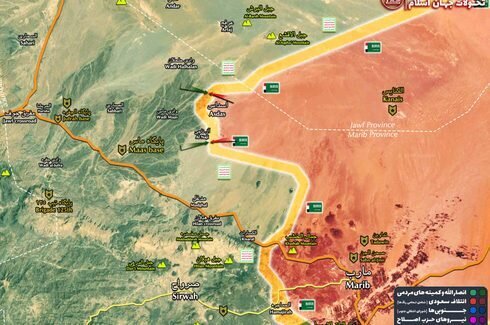
The first consideration when countries decide whether to enter a conflict is to understand the nature of coalition-building: Is support being sought from a position of strength, or does it signal an inability to achieve stated objectives? Saudi Arabia continues its war against Yemen, even as Yemeni forces’ resistance to foreign attacks and efforts to liberate occupied territory have altered the dynamics on the ground. The advance of popular forces toward Taiz and the threat to Aden, together with the implementation of the “blockade for blockade” equation and attacks on strategic facilities, including Aramco, have increased the costs of continuing the war for Riyadh.
Under these circumstances, even Pakistan and Turkey, despite their security agreements with Saudi Arabia, have limited their assistance to defensive support. The US, France and the UK have also avoided broad and overt involvement in the war. Egypt’s entry into such a conflict would, in practice, mean accepting the heavy costs of a war in which the Saudi-led coalition has no clear prospect of victory. Military support for Riyadh, therefore, cannot be regarded as a decision serving Egypt’s national interests without an assessment of realities on the ground.
American Game: Muslims Fighting One Another While Reaching Accommodation With Israel
Regional countries must remain alert to the US strategy of drawing Islamic governments into a war of attrition against one another, a strategy that simultaneously paves the way for accommodation with the Zionist regime. Trump’s remarks about Saudi Arabia welcoming Israeli assistance against Yemen, along with efforts to draw regional countries into the Saudi-led coalition, can be assessed within this framework.
The aim of this process is to shift the priorities of the Muslim world, replacing a common effort to confront the Zionist regime with conflict among Muslim countries. The regime continues its occupation of Palestinian, Lebanese and Syrian territory, and if regional indifference persists, its threats could extend to Egypt and Jordan as well. The experience of Arab countries that aligned with the American strategy against Iran, and the heavy costs they incurred, should serve as a serious warning to Cairo. Rather than strengthening Egypt’s security, entering the war in Yemen could put the country on a path that ties its strategic interests to the objectives of Washington and Tel Aviv.
Regional Security Based on Local Capabilities: The True Measure of Regional Cooperation
In recent weeks, calls have emerged for stronger collective regional security. These include remarks by Anwar Gargash, an adviser to the UAE president, emphasizing the revival of joint cooperation among Gulf countries. Achieving this vision requires regional security based on local capabilities and independent decision-making, not warmongering at the behest of the US and the Zionist regime.
Memoranda such as the Mecca Memorandum can have strategic value only when they serve to counter Israeli occupation and reduce US intervention, rather than being used to take action against Islamic countries. Yemen, which has openly expressed support for Palestine and now claims to be exercising its legitimate right to self-defense against aggression, should not become a target of coalition-building among Muslim countries. Regional stability depends on cooperation grounded in realities on the ground and an understanding of the principal adversary. Otherwise, Egypt’s entry into the Saudi-led coalition would do little beyond intensifying the crisis and expanding its regional costs.
Iran’s Initiative: An Opportunity to Consolidate Egypt’s Role as a Peacemaker
In recent years, Egypt has sought to strengthen its role as a mediator. Its mediation between Iran and the International Atomic Energy Agency () is one example of this approach. Expanding relations with Iran, Russia and China, including the Chinese president’s visit to Cairo, reflects Egypt’s efforts to broaden its independent engagement within the international order. Entering the war in Yemen could undermine these achievements and call Cairo’s neutrality and credibility as a mediator into question, although the dependence of some of Egypt’s economic needs on Saudi Arabia remains a genuine consideration in its decision-making.
Against this backdrop, Iranian Foreign Minister Abbas Araghchi described an “inclusive and comprehensive political process” as the way to resolve the conflict between Saudi Arabia and Yemen at a meeting of foreign ministers of the Organization of Islamic Cooperation. He had previously discussed Tehran’s readiness to mediate with his Saudi counterpart. He has also emphasized the development of relations in a letter to Yemeni officials. Araghchi’s point that 12 years of war have demonstrated the ineffectiveness of a military solution and the necessity of a political settlement to the Yemen crisis presents Egypt with an opportunity. By supporting Iran’s peace initiative, Cairo could enhance its regional standing and international credibility without entering the war or incurring its heavy costs.
Egypt’s support for this initiative could align its national interests with regional peace and security. Iran has also declared its readiness to cooperate with regional countries in pursuit of security based on local capabilities and stability. This approach also places the management of the Strait of Hormuz within the framework of a regional security strategy aimed at promoting stability and countering US and Zionist regime aggression.