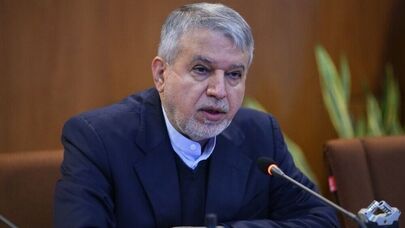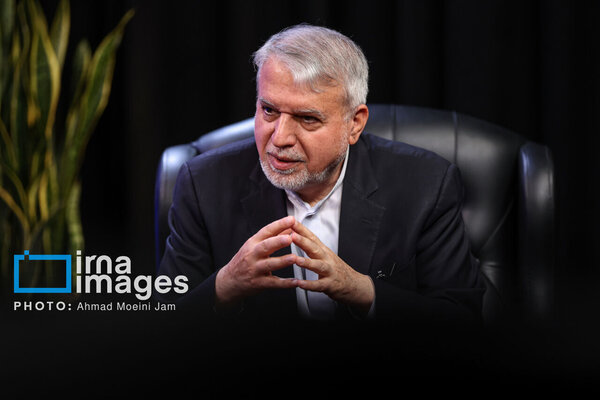
In a statement responding to Rubio’s remarks at the Acropolis in Athens, Salehi-Amiri said late Friday that a nation’s deep-rooted identity cannot be reduced to a single war, king, or government.
“Iran cannot be defined by one war, one king or one government,” he said, describing Iran as one of the world’s oldest continuous civilizations and a major contributor to the development of order, culture, knowledge, and coexistence throughout human history.
The minister also challenged the notion that Greek civilization belongs exclusively to the United States.
“Greek civilization is not the exclusive property of the United States either,” Salehi-Amiri said, adding that Socrates and Plato, rather than glorifying power, warned about justice, ethics, restraint, and the destructive consequences of arrogance.
He emphasized the transient nature of political power compared with the lasting identity of nations rooted in their historical memory and cultural heritage.
“Those who have considered themselves superior, unrivaled and entrusted with a historic mission have always overlooked one truth: powers come and go, but nations that stand firm on their memory, culture and identity endure,” he said.
Salehi-Amiri further pointed to Iran’s experience in confronting war, sanctions and distortion, saying the country has drawn strength from its historical civilization and the spiritual and heroic spirit of its people.
“Iran has stood firm against war, sanctions and distortion, relying on its historical civilization, spiritual, and heroic spirit, and the pride of a nation that knows its roots run deeper and date back further than the lifespans of many of today’s world powers,” he said.
In racist remarks on October 7 in Athens, Rubio said, “480 years before Christ, the armies of Xerxes arrived in this city, and they put its sanctuaries to the torch,” adding, “The Persians plundered the temples, burned the shrines, and razed the Acropolis to the ground.”