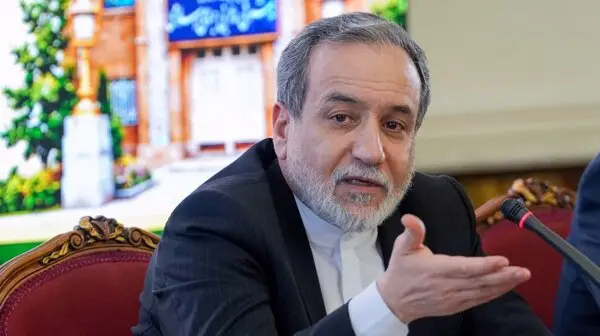
“The enemies shifted from demanding ‘unconditional surrender’ to an ‘unconditional ceasefire’ during the 12-day war, and from that demand to ‘unconditional negotiations’ and efforts to reach an agreement through diplomacy during the 40-day war,” Araghchi said on Monday.
However, he added, the United States and Israel failed to achieve their goals during the two imposed wars.
He noted that Iran has endured “very exceptional” circumstances over the past two years amid intense US-Israeli pressure.
“The enemies sought the unconditional surrender of the Islamic Republic of Iran, regime change, the partition of Iran, and every other plot it could devise. They tried all of them but failed to achieve any result.”
The Iranian foreign minister described resistance as the key to Iran’s success over the past 47 years, notably during the last two years, saying standing up to such pressure was not an easy task for any nation.
Araghchi said European countries recently acknowledged that they had placed all their airbases at the disposal of US warplanes, participated in sanctions against Iran, and provided political support for the United States and Israel.
“Unfortunately, some countries in the region also joined this camp. Nevertheless, all of them combined were unable to defeat the Iranian people.”
The minister said Iranians have so far demonstrated to the world that they are a resilient nation, refusing to bow or surrender.
Araghchi also underscored the need to make full use of diplomacy to strengthen Iran’s economic independence, saying no opportunity should be missed.
Araghchi reiterated that neighboring countries remain Iran’s top priority. He called for greater investment in and engagement with them.
The United States and Israel waged their first criminal war against Iran, which lasted 12 days, in June 2025. Their second aggression began on February 28 and came to a halt in early April after 40 days.
In both wars, Iran’s resistance and decisive retaliatory operations forced the aggressors to accept a ceasefire.
Iran has also maintained a tight grip on the Strait of Hormuz since the early days of the second imposed war.