Plan Netanyahu and Bin Zayed Have for Mohammed bin Salman

NOURNEWS – Netanyahu’s repeated security warnings ahead of Israel’s October 27 election, the Flydubai incident and his visit to Abu Dhabi are three pieces of a puzzle forming a joint project by Netanyahu and bin Zayed, designed to put pressure on bin Salman and draw Saudi Arabia into a new regional security architecture.Benjamin Netanyahu has repeatedly warned in recent weeks about the possibility of security threats against Israel and, ahead of the October 27 election, has even spoken of the possibility of attacks by Israel’s enemies. During the same period, a Flydubai flight travelling from Dubai to Tel Aviv was diverted to Saudi Arabia and landed in Tabuk following a suspected altercation in the cockpit, creating a significant security incident. Israel subsequently requested that a military aircraft be sent to transport the passengers, but Riyadh rejected the request. Just days before the incident, Netanyahu had met Mohammed bin Zayed in Abu Dhabi during a visit that was initially kept confidential and was later officially confirmed by both sides. Viewed together, these events are analytically significant, particularly because all three are connected to a common issue: Israel’s security, the UAE’s role and Saudi Arabia’s position in the region’s emerging security arrangements. Netanyahu is now less than a month away from Israel’s election, and security remains the central pillar of his political image. Reuters has reported that the Israeli prime minister is seeking to once again present himself as a leader capable of protecting Israel from regional threats, a narrative that came under serious challenge after the October 7 attack. From this perspective, Netanyahu needs more than a military achievement. A major diplomatic and security achievement could serve as a political remedy ahead of an election in which polls have not shown promising prospects for him. Among the available options, normalizing relations with Saudi Arabia is particularly significant. But this is where the biggest obstacle emerges: Mohammed bin Salman. Riyadh still has no diplomatic relations with Israel, and Saudi Arabia’s official position ties any normalization to tangible progress toward establishing a Palestinian state. At the same time, reports have emerged of Netanyahu’s secret efforts to use the threat posed by Ansarullah to Saudi Arabia as leverage to advance normalization. According to Al-Monitor, these efforts have presented Israel as a potential security partner for Riyadh against Ansarullah. But what role could Abu Dhabi play in such an equation? As part of Mohammed bin Zayed’s ambitious efforts, he is seeking not merely to serve as an intermediary between Israel and Saudi Arabia, but to become part of a project to reshape the regional equation. Over the years, Mohammed bin Zayed has demonstrated a desire to increase the UAE’s political and security weight beyond the country’s geographic and demographic size. Close ties with Israel, extensive relations with Washington and an active role in issues such as Yemen and the Red Sea have been part of this trajectory. If Abu Dhabi can now establish an effective channel between Tel Aviv and Riyadh, the UAE’s position in the region’s political and security architecture could be significantly elevated. In such a scenario, Netanyahu and bin Zayed share a common interest, but achieving it requires a third variable: bin Salman. Netanyahu is seeking an achievement that he can present before the election as evidence of his power and ability to ensure Israel’s security. Bin Zayed, meanwhile, could use Saudi Arabia’s entry into such a framework to consolidate the UAE’s role as a link between Israel and the Arab states. But such a path cannot materialize without Riyadh entering the equation. Riyadh is also aware of the joint efforts by Netanyahu and bin Zayed. This is why Saudi Arabia’s recent denial that Saudi representatives attended a meeting related to Netanyahu’s meeting with bin Zayed during the Israeli prime minister’s visit to the UAE is significant. A Saudi official rejected the reports, stressing that no formal meeting or talks had taken place within this framework and that Saudi Arabia’s position toward Israel had not changed. The response indicates that Riyadh does not currently want its presence to be portrayed as part of the framework taking shape in Abu Dhabi between Israel and the UAE. From this perspective, the Flydubai incident also takes on a particular political meaning. Saudi Arabia, in a real-world situation, faced a request to transport Israeli citizens on an Israeli military aircraft and rejected it. The Saudi move showed that Riyadh wants to make clear publicly that it opposes the “political acceptance of an Israeli presence on Saudi soil.” Therefore, the potential Netanyahu-bin Zayed project should not be explained simply as “Saudi-Israeli normalization.” The larger issue could be testing the possibility of creating a new regional security architecture in which the threat from Iran and Ansarullah, Israel’s security capabilities, the UAE’s role and Saudi Arabia’s needs are interconnected. The UAE’s role in this equation is also sensitive. If Abu Dhabi can bridge Tel Aviv and Riyadh, it would move from being a regional partner of Israel to an actor with a role in shaping Israel’s relationship with the Gulf’s most important Arab power. Such a position would be a significant geopolitical achievement for bin Zayed. At the same time, however, it could intensify competition and mistrust between Abu Dhabi and Riyadh, particularly over an issue such as Yemen, where the two countries have previously had serious differences. What is taking shape, therefore, can be viewed as a joint Israeli-UAE game: Netanyahu seeks to consolidate his security image and secure an achievement before the election, while bin Zayed seeks to increase the UAE’s weight in the regional order. Both have an interest in putting pressure on bin Salman, an important actor capable of either opening or blocking the path of this project. From this perspective, Iran and Ansarullah could become the “common threat” in the equation, Israel could present itself as the “security solution,” and the UAE could assume the role of the “link.” But the final link remains Riyadh. For this reason, Netanyahu’s visit to Abu Dhabi can be seen not as the conclusion of a negotiation, but as the beginning of a test for bin Salman — a test in which the issue is not merely normalization with Israel, but who will design the region’s future security architecture and whether Saudi Arabia will be a principal actor in it or enter a framework designed by others, who intend to turn Riyadh into a passive participant.

Plan Netanyahu and Bin Zayed Have for Mohammed bin Salman
0 minute

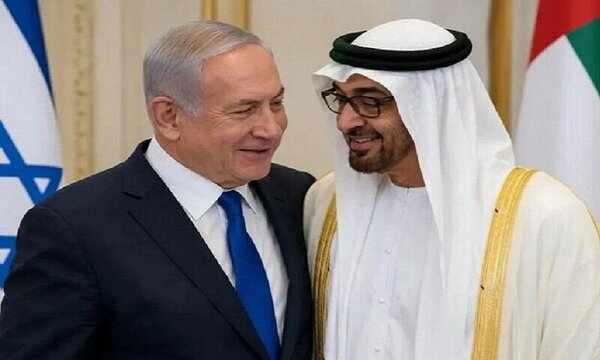
Benjamin Netanyahu has repeatedly warned in recent weeks about the possibility of security threats against Israel and, ahead of the October 27 election, has even spoken of the possibility of attacks by Israel’s enemies. During the same period, a Flydubai flight travelling from Dubai to Tel Aviv was diverted to Saudi Arabia and landed in Tabuk following a suspected altercation in the cockpit, creating a significant security incident. Israel subsequently requested that a military aircraft be sent to transport the passengers, but Riyadh rejected the request. Just days before the incident, Netanyahu had met Mohammed bin Zayed in Abu Dhabi during a visit that was initially kept confidential and was later officially confirmed by both sides.

Viewed together, these events are analytically significant, particularly because all three are connected to a common issue: Israel’s security, the UAE’s role and Saudi Arabia’s position in the region’s emerging security arrangements. Netanyahu is now less than a month away from Israel’s election, and security remains the central pillar of his political image. Reuters has reported that the Israeli prime minister is seeking to once again present himself as a leader capable of protecting Israel from regional threats, a narrative that came under serious challenge after the October 7 attack.

From this perspective, Netanyahu needs more than a military achievement. A major diplomatic and security achievement could serve as a political remedy ahead of an election in which polls have not shown promising prospects for him. Among the available options, normalizing relations with Saudi Arabia is particularly significant. But this is where the biggest obstacle emerges: Mohammed bin Salman. Riyadh still has no diplomatic relations with Israel, and Saudi Arabia’s official position ties any normalization to tangible progress toward establishing a Palestinian state. At the same time, reports have emerged of Netanyahu’s secret efforts to use the threat posed by Ansarullah to Saudi Arabia as leverage to advance normalization. According to Al-Monitor, these efforts have presented Israel as a potential security partner for Riyadh against Ansarullah. But what role could Abu Dhabi play in such an equation? As part of Mohammed bin Zayed’s ambitious efforts, he is seeking not merely to serve as an intermediary between Israel and Saudi Arabia, but to become part of a project to reshape the regional equation.

Over the years, Mohammed bin Zayed has demonstrated a desire to increase the UAE’s political and security weight beyond the country’s geographic and demographic size. Close ties with Israel, extensive relations with Washington and an active role in issues such as Yemen and the Red Sea have been part of this trajectory. If Abu Dhabi can now establish an effective channel between Tel Aviv and Riyadh, the UAE’s position in the region’s political and security architecture could be significantly elevated. In such a scenario, Netanyahu and bin Zayed share a common interest, but achieving it requires a third variable: bin Salman. Netanyahu is seeking an achievement that he can present before the election as evidence of his power and ability to ensure Israel’s security.

Bin Zayed, meanwhile, could use Saudi Arabia’s entry into such a framework to consolidate the UAE’s role as a link between Israel and the Arab states. But such a path cannot materialize without Riyadh entering the equation. Riyadh is also aware of the joint efforts by Netanyahu and bin Zayed. This is why Saudi Arabia’s recent denial that Saudi representatives attended a meeting related to Netanyahu’s meeting with bin Zayed during the Israeli prime minister’s visit to the UAE is significant. A Saudi official rejected the reports, stressing that no formal meeting or talks had taken place within this framework and that Saudi Arabia’s position toward Israel had not changed. The response indicates that Riyadh does not currently want its presence to be portrayed as part of the framework taking shape in Abu Dhabi between Israel and the UAE.

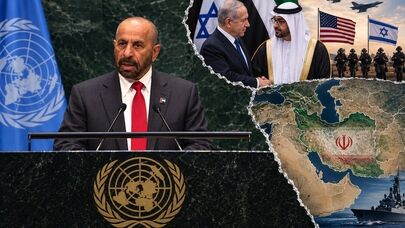
From this perspective, the Flydubai incident also takes on a particular political meaning. Saudi Arabia, in a real-world situation, faced a request to transport Israeli citizens on an Israeli military aircraft and rejected it. The Saudi move showed that Riyadh wants to make clear publicly that it opposes the “political acceptance of an Israeli presence on Saudi soil.” Therefore, the potential Netanyahu-bin Zayed project should not be explained simply as “Saudi-Israeli normalization.” The larger issue could be testing the possibility of creating a new regional security architecture in which the threat from Iran and Ansarullah, Israel’s security capabilities, the UAE’s role and Saudi Arabia’s needs are interconnected.

The UAE’s role in this equation is also sensitive. If Abu Dhabi can bridge Tel Aviv and Riyadh, it would move from being a regional partner of Israel to an actor with a role in shaping Israel’s relationship with the Gulf’s most important Arab power. Such a position would be a significant geopolitical achievement for bin Zayed. At the same time, however, it could intensify competition and mistrust between Abu Dhabi and Riyadh, particularly over an issue such as Yemen, where the two countries have previously had serious differences.

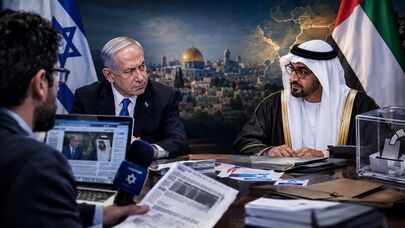
What is taking shape, therefore, can be viewed as a joint Israeli-UAE game: Netanyahu seeks to consolidate his security image and secure an achievement before the election, while bin Zayed seeks to increase the UAE’s weight in the regional order. Both have an interest in putting pressure on bin Salman, an important actor capable of either opening or blocking the path of this project. From this perspective, Iran and Ansarullah could become the “common threat” in the equation, Israel could present itself as the “security solution,” and the UAE could assume the role of the “link.” But the final link remains Riyadh. For this reason, Netanyahu’s visit to Abu Dhabi can be seen not as the conclusion of a negotiation, but as the beginning of a test for bin Salman — a test in which the issue is not merely normalization with Israel, but who will design the region’s future security architecture and whether Saudi Arabia will be a principal actor in it or enter a framework designed by others, who intend to turn Riyadh into a passive participant.
 

Source: NOURNEWS
Related News
  • Less than a month before Israel’s election, Benjamin Netanyahu’s trip to Abu Dhabi and his talks with Mohamed bin Zayed, which focused heavily on Iran, have taken on new significance following a Haaretz account of alleged electoral coordination between the two sides — a scenario that carries political and security risks for both Netanyahu and the UAE.

  • Bandar Bin Sultan's extensive and specific relations with the AIPAC extremist lobby and his opposition to the resistance axis and Palestinian idea led him to implement much of Kushner's orders, both in the deal of century and in the normalization of relations as a fully-fledged element.

  • Abu Dhabi’s claims of de-escalation come as its continued hostile positions on Iran’s territorial integrity, its hosting of Israeli Prime Minister Benjamin Netanyahu, and its security alignment with the United States and Israel have created a clear gap between the UAE’s diplomatic rhetoric and its regional conduct.

Send Comment