Mass plastic production, coupled with its widespread use in everyday life, has become a major challenge for waste management and environmental protection. Global figures on plastic waste show that the problem is not simply the sheer volume being produced. What happens to these materials after use, and how effectively waste collection, sorting and management systems operate, are equally decisive factors.
According to the data, 253 million tons of plastic waste are generated worldwide each year, reflecting the scale of consumption and the difficulty of containing its consequences. Of this total, 82 million tons are classified as mismanaged waste, including waste that is improperly handled or discarded. In other words, around 32 percent of all plastic waste generated is not properly managed. This substantial share points to a persistent gap between the volume of waste produced and the capacity to manage it effectively.
The consequences extend far beyond landfills and waste accumulation sites. Around 19 million tons of the plastic waste generated leak into the environment, entering the natural world through various routes. This figure represents waste that has escaped the management system and can spread across terrestrial and aquatic ecosystems. Plastic pollution, therefore, cannot be reduced to what is visible on the surface of seas and along coastlines.
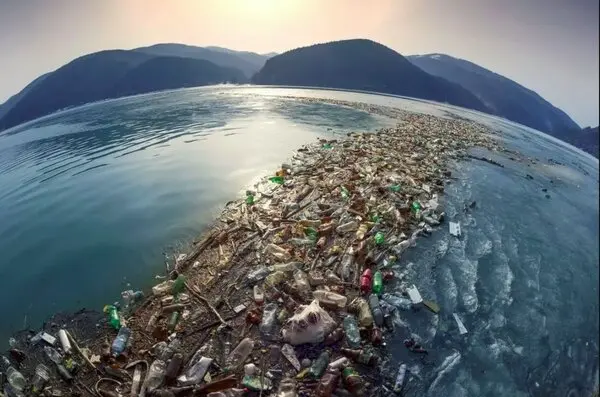
Further along this chain, around 6 million tons of plastic waste enter rivers and coastal areas. Rivers can carry waste from inland areas into larger bodies of water, while coastlines are also exposed to the direct accumulation of discarded materials. This figure shows that pollution of aquatic environments begins before waste reaches the open seas, and that poor waste management on land can have consequences along waterways.
Ultimately, around 1.7 million tons of plastic waste reach the oceans, equivalent to nearly 0.5 percent of all plastic waste generated worldwide. Compared with total production, this proportion may appear small. Yet it represents an enormous volume of persistent material entering the oceans every year. The relatively small share does not diminish the significance of its environmental consequences.
These figures also make one point clear: focusing solely on cleaning up the oceans, without addressing the earlier stages of the process, will not provide a complete response to the crisis. When 82 million tons of waste are poorly managed and 19 million tons leak into the environment, efforts to tackle the problem must begin before waste reaches rivers, coastlines and seas.
Strengthening waste collection and sorting systems, preventing the uncontrolled disposal of waste, and improving post-consumer waste management are essential parts of this effort. The data reveal a continuous chain: 253 million tons of waste generated, 82 million tons poorly managed, 19 million tons leaking into nature, 6 million tons entering rivers and coastal areas, and ultimately 1.7 million tons reaching the oceans. Curbing this trend depends, above all, on effective waste management at the source.
Iran: Need to Move from Waste Generation to Effective Management
Iran is no exception to this global challenge. According to an estimate presented at a meeting on plastic waste management held by the Iran Chamber of Commerce, around 4 million tons of plastic waste are generated in the country annually. The Iran Recycling Industries Federation, however, has stressed that there is no unified, reliable national data on the volume and composition of waste. This lack of comprehensive information is itself one of the obstacles to sound planning in this area.
In this regard, the National Strategic Plan for Waste Management, approved by the Cabinet in 2025, sets specific targets for improving the situation. Under the plan, the share of dry waste recycled out of total municipal solid waste is to increase from 7 to 16 percent, while waste separation at source is to rise from 7 to 30 percent.
The plan also sets a target of reducing the consumption of plastic bags less than 25 microns thick from 500,000 tons to zero.
For Iran, therefore, the issue is not simply the collection of discarded waste. Reducing the production of single-use plastics, separating waste at source, expanding recycling infrastructure and effectively enforcing regulations are all essential measures. These steps can help prevent plastic waste from becoming a much wider crisis for the country's water and soil resources, coastlines and environment.