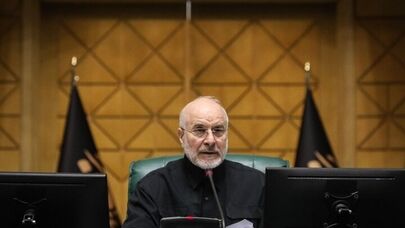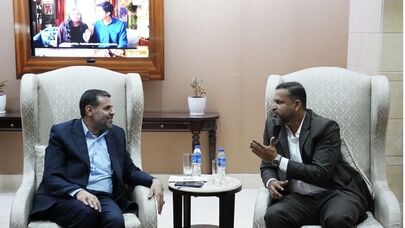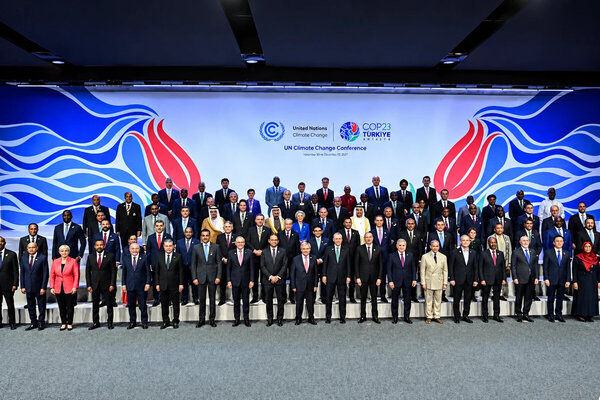
The 31st United Nations Climate Change Conference (COP31) is being held in Antalya, Türkiye, from November 9 to 20, 2026, with the participation of senior officials, heads of state, government representatives, international organizations, and activists in the fields of environment and energy. A notable aspect of the conference is the simultaneous participation and address by Iranian President Masoud Pezeshkian, alongside a delegation from the Atomic Energy Organization of Iran (AEOI). Their presence has brought issues such as the peaceful applications of nuclear technology, the capabilities of Iran’s nuclear industry, and the role of this technology in providing clean and sustainable energy into sharper focus.
Another significant development is the annual meeting of the BRICS Nuclear Energy Platform, scheduled for Friday, November 13, 2026, in Antalya. The meeting brought together representatives of member states, the director general of Russia’s state-owned Rosatom corporation, the platform’s coordinating chair, and a delegation from the Islamic Republic of Iran. The simultaneous occurrence of these two events goes beyond diplomatic participation, pointing to emerging opportunities for scientific and technological cooperation, efforts to counter scientific apartheid, and the pursuit of shared goals. With its indigenous nuclear capabilities and its role in ensuring the security of energy transit through the Strait of Hormuz, Iran can play a decisive role in advancing this convergence.
Global Confidence in Iran’s Nuclear Capabilities and Peaceful Intentions
Iran’s participation in these two events and its presentation of the country’s positions primarily reflect confidence in its indigenous capabilities and the peaceful nature of the Islamic Republic’s nuclear activities. The reception given to Iran’s capabilities and proposals at such meetings is a meaningful indication of the lack of credibility of Western allegations and baseless accusations concerning the country’s nuclear program, as well as the politically motivated nature of approaches toward it.
These gatherings convey a clear message to the world: nuclear cooperation with Iran is both possible and full of potential, regardless of political campaigns and claims made by opposing factions. In this context, remarks by Rafael Grossi, director general of the International Atomic Energy Agency (IAEA), concerning access to Iran’s bombed nuclear facilities and efforts to reopen past cases raise serious questions about the limits of the agency’s authority and the need to respect countries’ legal rights. With the end of the JCPOA and the annulment of UN Security Council Resolution 2231, Iran maintains that, from a legal standpoint, the country’s nuclear activities should return to normal conditions and that the continuation of restrictions beyond its commitments must be prevented.
Indigenous Nuclear Knowledge: Linking Energy Security with Sustainable Climate Development
Security in today's world is no longer confined to military, economic, and social spheres. Energy, climate, and sustainable development have also become decisive factors in the national security of states and the international system. Worsening air pollution, increasingly erratic weather patterns, climate change driven by greenhouse gas emissions, and the catastrophic environmental consequences of the warmongering policies of hegemonic powers have made the need to harness nuclear science and clean energy all the more urgent.
Iran’s nuclear expertise, developed through reliance on domestic specialists and the country’s young workforce, represents a valuable asset for international cooperation and a model for independently acquiring advanced technologies. The key areas addressed at these events range from the energy transition and expanding nuclear power generation capacity to project financing, specialist workforce training, new climate technologies, and the initiative to triple global nuclear energy capacity by 2050. With its indigenous expertise and practical experience, Iran can play an active role in advancing these objectives.
Nuclear diplomacy also offers a new opportunity to expand relations and develop shared capabilities with various countries, particularly those in the region. Iran’s experience in producing radiopharmaceuticals, nuclear medicine, fuel supply, and the application of nuclear technology in agriculture and the food industry represents a scientific asset that can be shared with other countries, paving the way for mutually beneficial cooperation.
Global Convergence Against Scientific Apartheid and Nuclear Crimes
One important dimension of these developments is the need for collective action against nuclear monopolization and scientific apartheid. By politicizing the IAEA’s activities, Western countries seek to turn nuclear technology into an instrument for exerting economic, political, and security pressure on independent states.
By contrast, countries must come together to end this monopoly — a necessity for sustainable development and the achievement of scientific justice. This is particularly important given that nuclear-armed powers have shown no meaningful determination to eliminate these weapons, which continue to pose a serious threat to human and environmental security.
Moreover, the US and Israeli regime’s bombing of Iran’s nuclear facilities, despite their being under IAEA safeguards, constitutes a flagrant violation of international law and sets a dangerous precedent for the security of nuclear activities worldwide. The agency’s indifference to such an act of aggression, coupled with its pressure for access to damaged facilities, underscores the need to reconsider its double standards.
Nuclear meetings offer an opportunity to forge a common position condemning such actions and preventing their recurrence. The world cannot turn Iran into an exception when it comes to acts of aggression while simultaneously expecting the facilities and nuclear scientists of other countries to remain safe. Had a deterrent response been established to the atomic bombings of Japan or the US military interventions in Iraq, Syria, and Libya under the pretexts of nuclear and chemical threats, we might not be witnessing such audacity today in the assassination of scientists and attacks on Iran’s nuclear facilities.
Iran: Safeguarding Energy Security from the Strait of Hormuz to Nuclear Technology
Iran has consistently emphasized the need to ensure environmental and climate security, sustainable progress, and universal access to energy. Despite the importance of expanding renewable energy, oil and gas continue to account for a significant share of global energy supplies. The US approach, particularly under Trump, demonstrates how control over energy resources has become a tool for exerting economic and political pressure. From intervention in Venezuela and attempts to take control of Greenland to Trump’s acknowledgment of motives related to Iran’s energy resources, these developments all point to this hegemonic ambition.
At the same time, the pursuit of cases against Iran at the IAEA and the creation of obstacles to the domestic development of nuclear technology constitute another dimension of the same monopolistic policy. In response, the Islamic Republic of Iran plays an important role in the global equations of fossil-fuel energy security through its management of the Strait of Hormuz and its resistance to US military threats and blockade. At the same time, by relying on its indigenous nuclear expertise, Iran has developed the capacity to challenge technological monopolies. Iran’s stated readiness to engage in nuclear cooperation, particularly with regional countries, also reflects its collaborative approach to scientific and energy development.
Against this backdrop, global support for Iran’s capabilities and approach could pave the way for resisting US domination and strengthening equal cooperation. Iran today has the capacity to exert influence in two areas — fossil-fuel energy security and the development of nuclear technology — while also regarding climate and environmental security as a shared necessity for humanity. Countries’ support for this approach would not be a concession to any one nation, but rather a step toward ending scientific discrimination, securing energy supplies, and building a world in which inclusive and sustainable progress is available to all.