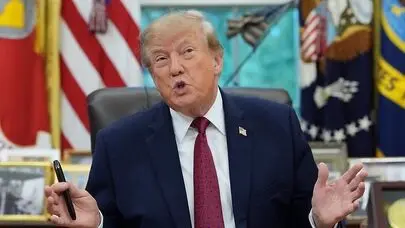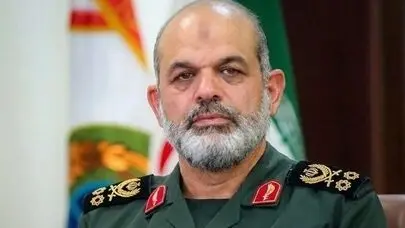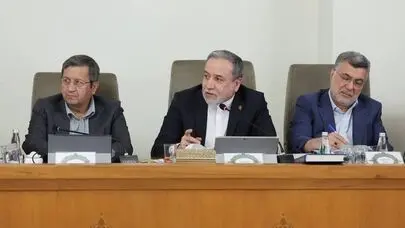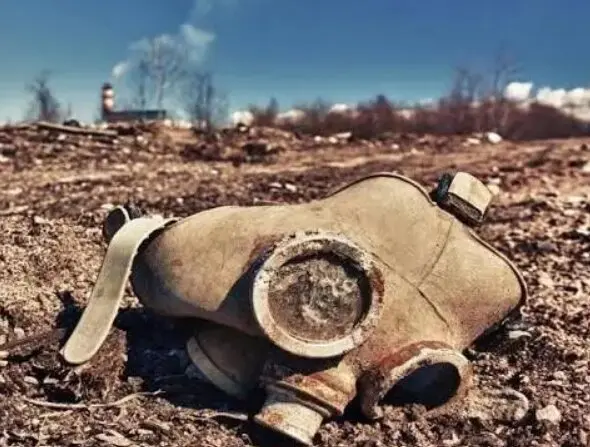
The Thirty-First annual Conference of the States Parties to the OPCW is taking place amid glaring contradictions in the record of powers that claim to oppose weapons of mass destruction. Despite failing to fulfill its obligations to destroy its chemical weapons, the United States has waged war based on false claims and is now creating financial obstacles to the organization’s monitoring mission. This financial blackmail, intended to evade accountability, highlights the need to move beyond unilateralism and toward multilateralism.
Double Standards of Major Powers: Failure of Oversight Institutions
The organization has failed to effectively deter the production and instrumental use of chemical weapons. From the United States’ use of Agent Orange in Vietnam to the use of Western-supplied chemical weapons by Saddam Hussein’s regime in Sardasht and Halabja; from the Israeli regime’s use of these weapons against the people of Gaza and Lebanon to the consequences of weapons deployed in Iraq and Afghanistan, these cases demonstrate the ineffectiveness of global institutions and the silence of those who claim to defend human rights.
Major powers have also turned this issue into an instrument of coercion and aggression. The United States fabricated evidence of the existence of chemical weapons to justify its attack on Iraq; Colin Powell later acknowledged that the evidence was fabricated. Now, some Western media outlets are alleging that Iran is planning a chemical attack against the United States. During the war in Ukraine, reports have also emerged about the activities of US laboratories and the development of new chemical weapons. Such double standards destroy the credibility of oversight institutions.
From Sardasht to Minab: Unhealed Wounds of Atrocities
Iran is among the victims of chemical weapons. Yet despite extensive documentation and numerous legal complaints concerning Saddam Hussein’s crimes, neither those who ordered the attacks nor those who carried them out have been punished. The chemical attack on Sardasht was a human tragedy with lasting consequences. US pharmaceutical sanctions and the deprivation of victims’ access to essential medicines also undermine Washington’s humanitarian claims. Beyond the direct human toll, this crime left behind a generation of patients and affected families, keeping alive the international responsibility of those who supplied Saddam with weapons. Those arms suppliers, too, have escaped international punishment.
This inaction was also evident during the Twelve-Day War and the Ramadan War. The US-Israeli aggression, including attacks on nuclear facilities and the martyrdom of the Leader of the Revolution and schoolchildren in Minab, exposed the threat posed to civilians. However, it was ultimately thwarted by the strength of Iran’s armed forces, the active role of the people, and diplomatic initiative. Punishing those responsible for Saddam’s crimes, as well as their supporters, could have prevented the recurrence of atrocities from Gaza to Minab.
Financial Blackmail: Holding Global Oversight Hostage
Holding the financial resources of international institutions hostage marks a new phase in Western pressure. The United States has curtailed its financial commitments to the United Nations, UNRWA, the International Criminal Court, and the World Health Organization, and has now targeted the budget of the OPCW as well, either directly or by pressuring other member states.
The organization has warned that if member states fail to pay their assessed contributions, it will suspend operational activities, including inspections, starting January 1. Suspending inspections would undermine accountability and increase the risk of the production and use of new generations of these weapons. Reports of facilities producing chemical agents in Ukraine are also concerning. Foreign Minister Abbas Araghchi wrote on X that by obstructing the organization’s mission, the United States is knowingly endangering global peace and security—a shameful act.
This conduct sets a dangerous precedent: any power could use financial threats to disable the institution tasked with monitoring its own conduct. The consequences would include weakening the prohibition on chemical weapons and increasing the risk of their use by states and terrorist groups.
Multilateralism: Need to Rebuild the Global Order
Moving beyond this situation requires a fundamental transformation of the international system. Institutions that lack independence and enforceable mechanisms cannot deter pressure from major powers. Independent countries must play an active role in reviving multilateralism through BRICS, the Shanghai Cooperation Organization, the Non-Aligned Movement, and the Group of 77.
The Ramadan War and Iran’s steadfast resistance exposed the hollowness of US power. Iran’s control over the Strait of Hormuz has changed global calculations and prompted doubts about the willingness of US allies to stand with Washington. Countering coercion and defending shared rules require the collective will of nations. This year’s conference must provide an opportunity to ensure the independence of oversight institutions, eliminate chemical weapons, and punish those who produce and use them. This goal cannot be achieved without holding the leaders of the United States and the Israeli regime accountable and ending the impunity enjoyed by aggressors. A new world order can take shape only when the law applies equally to everyone and even the powerful are held accountable.