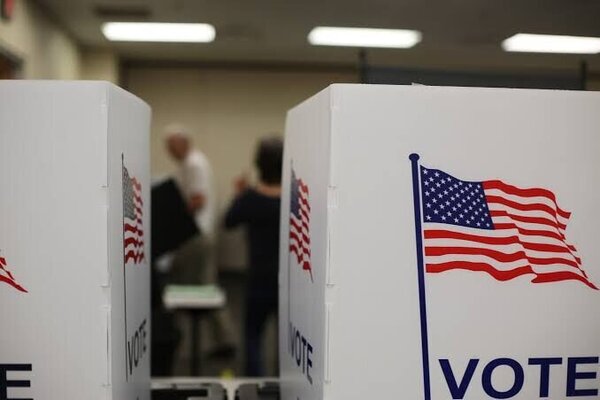
The results of the US congressional midterm elections and the Republicans’ loss of their majorities in both the House of Representatives and the Senate have prompted a wave of political and media reactions across the country. Contrary to some initial assessments, these reactions have not been confined to the shift in the partisan balance of power in Congress. Instead, attention has quickly turned to issues including Donald Trump’s responsibility for the Republican defeat, the consequences of the war with Iran, the future leadership of the Republican Party, and the possibility of extensive investigations into the administration.
In its coverage of these developments, the Associated Press described the election results as the beginning of a new period of political confrontation in Washington, writing that the Democrats, having won control of both chambers, are preparing to restore Congress’s oversight role and scrutinize the administration’s performance. Reuters, in a report headlined “Democrats Take Over Congress,” also stressed that the party’s victories in traditionally Republican states, including Texas, Kansas and South Carolina, had made the ruling party’s defeat far more significant than an ordinary electoral shift.
Vance: War with Iran Was the Reason Republicans Lost
One of the most significant reactions following the election came from US Vice President JD Vance. In a post on X, Vance departed from the cautious language used by the White House and directly blamed the war with Iran for the Republican defeat, writing: “The reason we lost was the war.”
Referring also to the loss of the Senate majority, he questioned whether continuing a war that had cost the party control of the Senate for the next six years had really been worth it. Vance even described his earlier recommendation to end the war as the right decision.
In an exclusive report headlined “Vance Distances Himself from Iran War After US Election Defeat,” Reuters interpreted his remarks as a sign of growing divisions within the Trump administration over whether to continue the war, particularly as, according to the news agency, Washington is still considering the possible resumption of large-scale military operations against Iran.
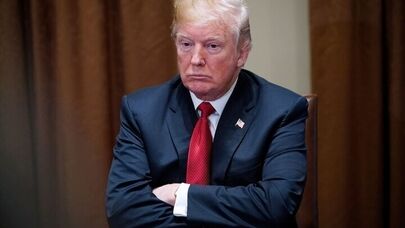
Trump’s response to Vance’s comments was also noteworthy. Speaking to reporters, he largely agreed with Vance’s assessment and acknowledged that the war with Iran, through its impact on gasoline prices, had played a role in the Republican defeat. However, he immediately stressed that he would make the same decision again if given the chance to go back in time. In an interview with The Wall Street Journal, Trump also said: “I did the right thing, and I would do it again.”
These remarks have exposed two distinct approaches at the top of the US administration. Vance is emphasizing the political and electoral costs of the war, while Trump, despite acknowledging some of its electoral consequences, continues to defend the military decision itself.
Turmoil in Republican Camp: Criticism of Trump and Possible Changes at White House
The Republican electoral defeat has also triggered an internal battle over who is responsible. In a report by Nandita Bose, Jarrett Renshaw and Bo Erickson headlined “Republicans Urge Trump to Change Course,” Reuters wrote that a number of the party’s allies and strategists are calling for changes to the White House team, a reassessment of tariff policy, and a reconsideration of the war with Iran.
John Feehery, a veteran Republican strategist, described the election result as a “major disaster” for Trump and called for fundamental changes to his political team. Reuters also quoted a senior White House official as saying that morale among administration staff had been severely damaged by the electoral defeat, with the possible departure of some advisers and cabinet changes being discussed.
Meanwhile, leadership of the Republicans in the House of Representatives has become another source of division. Current House Speaker Mike Johnson has announced that he will not run for the position of minority leader in the new Congress. By contrast, the names of Steve Scalise, the current House majority leader, and Jim Jordan, chairman of the House Judiciary Committee, have emerged as possible contenders.
The Axios news outlet has also reported growing mutual recriminations among Republicans, writing that some lawmakers believe every member of the party’s leadership team should be held accountable for the election results. Quoting a Republican lawmaker, the outlet identified a combination of factors, including the war with Iran, immigration policies, inflation and rising fuel prices, as contributing to the party’s defeat.
Democrats Move From Investigations Into the Administration to Possible Impeachment
On the other side, Democratic leaders are seeking to turn their electoral victory into greater oversight of the administration. Hakeem Jeffries, the Democratic leader in the House of Representatives, has said the party has received a mandate to reduce the cost of living and hold the administration accountable.
Robert Garcia, a senior Democratic member of the House Oversight Committee, responded to the Republican defeat by addressing Trump administration officials in a post: “Get a lawyer.” Democratic Senator Ron Wyden, a senior member of the Senate Finance Committee, also signaled the start of oversight efforts with a one-word post: “Subpoenas.”
The Associated Press has reported that, in addition to examining the administration’s performance, Democrats intend to investigate matters related to the Trump family’s assets and the White House’s executive decisions. The possibility of impeaching some administration officials, including Defense Secretary Pete Hegseth, has also entered the political debate, although this does not mean that formal impeachment proceedings have begun.
Chuck Schumer, the Senate Democratic leader, has also said that his party’s priorities will be lowering costs and combating corruption. At the same time, he stressed that although voters had backed Democrats at the polls, they still expected the party to prove its ability to deliver.
US Media: From Wall Street Journal’s Criticism to Divisions at Fox News
Media coverage of the Republican defeat has also been notable for the different ways outlets have addressed Trump. In an analysis headlined “How Trump Lost the Midterms,” The Wall Street Journal placed primary responsibility for the defeat on the president’s decisions, identifying the prolonged war with Iran, rising fuel prices, tariff policies, economic issues and Trump’s focus on personal projects as contributing factors.
The newspaper also criticized the administration’s handling of the war, writing that the Trump administration had failed to present clear objectives or a coherent vision for ending the conflict.
Disagreements also emerged at Fox News over how to interpret the electoral defeat, despite the network’s traditionally supportive stance toward Trump. In a report on media coverage of the election, The Wrap wrote that once the Democrats’ victory became clear, discussion at Fox News shifted from counting votes to examining the reasons for the Republican defeat.
During one such discussion, former New York City Mayor Bill de Blasio criticized the analysis being presented on the network, identifying the war with Iran, rising prices and health care costs as major factors behind the Republican defeat. Trump also criticized polling and the network’s performance during a phone call with Fox News anchor Bret Baier. Baier responded that the election results had been close to Fox News’ published projections.
The Guardian also addressed the dispute in a report headlined “Trump Blames Fox News for Republican Defeat,” examining the disagreement between the president and a network considered one of his most important media supporters.
International Reactions: From Iran and Russia to Europe
At the international level, the war with Iran has also become one of the main issues shaping interpretations of the US election results.
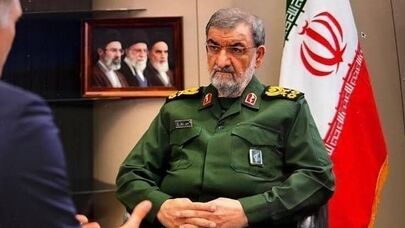
In a report on reactions from world leaders, CBS wrote that Iranian officials had described the Republican defeat as a sign that American voters opposed the costly war Trump had launched against Iran alongside Israel. The network also referred to the position of the Leader of the Islamic Revolution, who does not regard the election results as necessarily signaling a change in Washington’s approach toward Tehran.
In Russia, Deputy Foreign Minister Sergei Ryabkov stressed that a change in the composition of the US Congress would not necessarily alter Moscow’s foreign policy. Referring to the Democrats’ negative approach toward Russia, he said Moscow would not change its policy toward Ukraine on the basis of these developments either.
In Europe, EU foreign policy chief Kaja Kallas expressed hope that the new Congress would increase US support for Ukraine and strengthen pressure on Russia. European Parliament Vice-President Christel Schaldemose also described the election results as a significant development but warned that Europe should not tie its security and strategic independence to political developments in the United States.
Spanish Prime Minister Pedro Sánchez described the US election results as another sign of the weakening of the global populist right-wing wave and predicted that a similar trend would emerge in elections in his own country. South African President Cyril Ramaphosa also said the results could mark the beginning of a new era in international relations.
In Britain, Prime Minister Andy Burnham, referring to the economic consequences of the war with Iran, stressed that easing the cost-of-living pressures would remain difficult until the war was resolved.
Electoral Defeat and the Question of a War of Resilience
Taken together, the political and media reactions indicate that the US midterm elections have brought three crises facing the Trump administration to a common point: a crisis in the domestic balance of power, an economic crisis driven by the rising cost of living, and a foreign policy crisis resulting from the war with Iran.
More significantly, the war with Iran has become an issue of open disagreement within the US power structure. The vice president is directly attributing the electoral defeat to the war, while the president continues to insist that the military decision was the right one.
From this perspective, the Republican defeat cannot be reduced simply to a shift in voter preferences or competition between the two parties. The war pursued by the Trump administration with the aim of exerting military pressure on Iran has now become a factor increasing the administration’s political costs at home. Nevertheless, a change in the congressional majority does not, in itself, mean that the war will end or that US policy will change immediately. Rather, the new balance of power could subject the White House’s military, budgetary and sanctions-related decisions to greater scrutiny and political resistance.
This is the point that can be examined through the concept of a “war of resilience”: the confrontation has moved beyond the military and regional arenas, with its effects extending into the opposing side’s economy and domestic politics. The central question now is whether Trump will reconsider his strategy in an effort to contain the electoral consequences of the war, or whether he will continue along the same course, adding confrontation with a Democratic-controlled Congress to the crises he already faces.