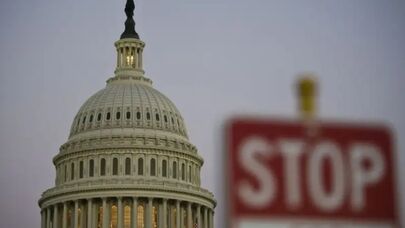
The 2026 US midterm elections are approaching at a time when, if the Republican Party manages to retain its majorities in both the House of Representatives and the Senate, Trump could spend the final two years of his presidency facing the fewest legal obstacles and enjoying the greatest freedom of action. This scenario, however, appears to have little chance of materializing. Such an outcome would allow his administration to advance its major economic, trade and security policies with the support of the legislative branch. A victory of this kind would not only consolidate the administration’s achievements but also serve as a powerful launchpad for the Republican Party to retain power in the 2028 presidential election.
If the Democrats manage to capitalize on a wave of public discontent, including inflationary pressures, cost-of-living difficulties and the consequences of Trump’s war with Iran, to take control of Congress, Washington’s political system will enter a period of deadlock. In that case, Congress, using tools such as budgetary control, the establishment of investigative committees and stringent oversight, would become a serious obstacle to Trump’s agenda. The president would then be forced to resort to his veto power, and US politics would become mired in protracted confrontations between the White House and Congress.
The 2026 elections therefore mark the dividing line for Trump between “executive authority” and “political deadlock”. He is awaiting the results of this decisive vote so that he can plan more precisely for the final two years of his administration and pursue his strategic objectives. What forecasts and opinion polls suggest is that Trump faces a critical situation in the House and an unstable one in the Senate.
From Economic Pressure to Political Crisis: Trump’s Electoral Test
Amir Ali Abolfath, a US affairs expert, told Nournews that the 2026 US congressional elections would be held under circumstances fundamentally different from those of previous election cycles. One of the most crucial factors capable of shifting the votes of millions of American citizens, he said, is the fallout from the military war with Iran. The war and its economic consequences, ranging from inflation and rising prices to higher fuel costs and everyday living expenses, have become one of the main concerns of American society. Public discontent arising from pressure on businesses and declining purchasing power has the potential to translate into punitive votes against the incumbent leadership in the congressional elections. A precise assessment of the extent of this impact, however, requires examining the final results and analyzing the electoral districts affected.
The diplomacy analyst continued that Republicans currently control the White House, hold majorities in Congress and have a majority on the Supreme Court. However, if the Democrats succeed in winning a majority in either or both chambers of Congress in the midterm elections, the structure of Trump's executive administration will face unprecedented challenges.
He added that Congress, with powers including approving the budget, overseeing the government's performance and establishing investigative committees, can serve as a powerful instrument for imposing restrictions. If the Democrats take control of Congress, there will be a sharp confrontation between the legislative and executive branches. Democratic bills will not align with Trump's policies, while the president will be forced to resort to his veto power. This political deadlock will seriously complicate the passage of legislation and the allocation of essential funding.
Would a Possible Republican Defeat Prevent Trump from Going to War with Iran?
Commenting on how the election results could affect Donald Trump's decisions and approach, the international affairs expert explained: “Before commenting on the relationship between the election results and the final two years of the administration, I want to stress that the outcome of the 2026 elections is not relevant solely to the current term. It will also lay the foundation for the Republican Party's political trajectory through to the 2028 presidential election.
“As for the impact of this vote on the Trump administration's political position, it must be acknowledged that if the Republicans succeed in retaining control of the House of Representatives and the Senate, Trump will spend the final two years of his presidency with greater freedom of action and fewer political obstacles. This victory would offer the party a golden opportunity to defend the administration's record and prepare for the 2028 election.
“However, if the Democrats take a congressional majority, driven by the war with Iran and other factors, and gain control of both chambers, the final two years of Trump's administration will be overshadowed by extensive confrontations and legal constraints that could undermine the government's ability to implement its major programs.
“Donald is therefore waiting for the moment when the results of the 2026 elections are officially announced so that he can plan how to govern through 2028, set a course for his administration and work towards achieving his goals.”
Asked whether the elections would determine the fate of the war with Iran, Abolfath said: “From a strategic analytical perspective, it should not be assumed that an electoral defeat for the Republicans would prevent Trump from making military decisions. Decisions on military operations are governed by security, military and strategic calculations and cannot be tied solely to the outcome of elections.
“Nevertheless, it is clear that if the Republicans win, Trump will have an easier time securing political and budgetary support as he pursues his hardline military policies. But if the Democrats win more votes and bring an end to the Republicans’ congressional majority, the possibility of the military action Trump has in mind would not be ruled out. The political and oversight costs, as well as the legal challenges such an action would face in Congress, would, however, increase significantly.”
Abolfath concluded that the 2026 congressional elections go beyond a contest between political parties. They are a decisive test of public satisfaction with the current US administration's handling of economic crises and foreign policy. The results will affect not only the balance of power in Washington but also the US political climate through to the 2028 elections.