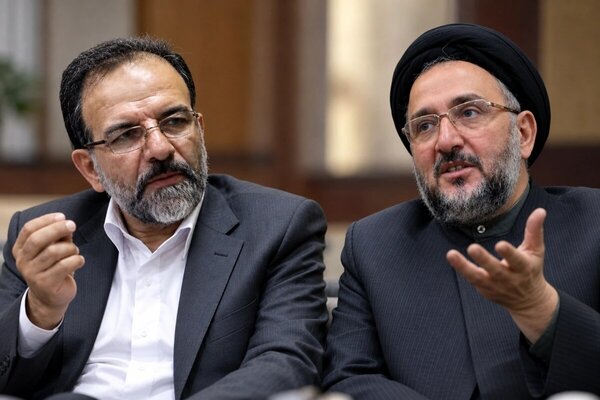
Interview with Mohammad Ali Abtahi and Jafar Ghanadbashi How Can Iran Move Beyond the “Neither War nor Peace” Situation? In his recent meeting with the secretary of the Supreme National Security Council, the Leader of the Islamic Revolution stressed the need to end the “neither war nor peace” situation. On Wednesday, the president also identified the development of methods and policies to implement this approach as one of the government’s serious priorities. Given the importance of the issue, Nournews spoke with Hojatoleslam Seyed Mohammad Ali Abtahi and Jafar Ghanadbashi to assess the costly and damaging consequences of the neither-war-nor-peace situation and examine ways to move beyond it. The “neither war nor peace” situation can be viewed as a form of strategic uncertainty whose costs gradually become apparent across different sectors of the economy and society. News reports suggest that the US, and Trump personally, are using propaganda rhetoric and a strategy of keeping people “waiting” to place Iranian society in an atmosphere of permanent uncertainty. Under such conditions, political institutions, society at large and economic activity all struggle to maintain productive momentum and move forward, ultimately generating social discontent. In response to this hostile strategy, which the US is fueling, the most appropriate and necessary course of action is to make a carefully considered effort to end this state of limbo, or the neither-war-nor-peace situation. In this sense, it can be argued that the neither-war-nor-peace situation is a US-Israeli project that deprives Iran of present and future opportunities and keeps all of its national capabilities trapped in a state of suspension. The emergence of this situation in Iran under current circumstances is naturally a consequence of US and Israeli military aggression. Its effects, however, are not confined to defense and foreign policy. Anxiety about the future, stalled development, price fluctuations, uncertainty surrounding production, and difficulties in planning personal lives and business activities are among the consequences of the neither-war-nor-peace situation. These factors can affect public confidence and societal expectations. It is against the backdrop of these risks that the Leader of the Islamic Revolution stressed the need to end the neither-war-nor-peace situation during his recent meeting with the secretary of the Supreme National Security Council. Notably, from his earliest messages following his appointment, the Leader has repeatedly called on the public, in various ways, to normalize everyday life. While emphasizing vigilance and resistance, he has also urged people to maintain normal economic, production and livelihood activities. These repeated statements indicate that ending the neither-war-nor-peace situation has consistently been a priority for him. On Wednesday, the president likewise identified the development of methods and policies to implement this approach as one of the government’s serious priorities. Given the importance of the issue, Nournews spoke with Hojatoleslam Mohammad Ali Abtahi, chief of staff and vice president under the reformist administration, and Jafar Ghanadbashi, an international affairs expert, to assess the costly consequences of the neither-war-nor-peace situation and examine ways to move beyond it. “Neither War nor Peace”: Economic and Psychological Erosion of Society Mohammad Ali Abtahi, discussing the consequences of prolonging the neither-war-nor-peace situation, stressed that political and security uncertainty had deprived people of the ability to plan for the future and had seriously harmed the social and economic life of the country. When people do not know whether the coming months and years will bring war or peace, families cannot make clear decisions about their children’s futures, investors refrain from engaging in economic activity, and uncertainty undermines hope for the future. The reformist figure said that prolonging these conditions could gradually wear down society. “The issue is not just whether war breaks out. Prolonged uncertainty itself can sometimes have profound economic, psychological and social effects on people’s lives.” When a family does not know what conditions it will face in the coming months, it is left uncertain about buying a home, expanding a business, investing or even making plans for its children’s lives. Abtahi noted that this situation could lead to lower investment, delayed economic decisions, increased public anxiety and weakened social hope. He stressed that officials must take the consequences of this uncertainty seriously and make a clear decision to bring it to an end. Abtahi also noted that the pressures arising from the current situation could gradually exhaust society, both economically and psychologically. He said the country must not allow fear of war or concern about the consequences of negotiations to push the need for decision-making to the margins. The country must determine its course while taking national interests and the costs borne by the public into account. Stressing the need to end this state of limbo, he identified two main paths for decision-makers: either move toward negotiations conducted with dignity and based on national interests, or make a clear decision about how to deal with the current circumstances. Continuing the present situation without a clear outlook, he said, imposes a heavy burden on society. The political activist went on to note the complexity of possible negotiations between Iran and the US. Such negotiations, he pointed out, are not limited to Washington’s demands or Donald Trump’s expectations; the interests of regional countries and the implications of decisions for the security and stability of the Middle East must also be taken into account. From this perspective, negotiations could provide a forum for examining mutual interests and finding a way to reduce tensions. He stressed that the objective was not to choose war as a solution, but to end uncertainty and establish a clear path for the country’s future. Society, he said, cannot be kept indefinitely in a situation where there is neither confidence in peace nor clarity about the prospect of war. In conclusion, Abtahi stressed the need to take seriously the warnings about the social and economic consequences of prolonging the neither-war-nor-peace situation. He called on decision-makers to take action to move beyond these conditions and restore hope and the ability to plan for the future, while taking people’s living conditions into account. Serving the People and Social Cohesion: Requirements for Strengthening National Power Jafar Ghanadbashi, Iran’s former ambassador to Libya, also discussed the costs of the neither-war-nor-peace situation. He said prolonging these conditions could have numerous consequences for the country, affecting economic decisions, implementation plans and the outlook for economic activity. Under such circumstances, uncertainty about the future could slow the implementation of short-, medium- and long-term plans and, by increasing economic risks, create conditions for further price increases. The West Asia expert continued: “Moving beyond this situation and toward greater stability and certainty is therefore among the goals and strategies emphasized by the Leader.” Achieving this objective, however, does not depend solely on the decisions and will of one side; the other side’s conduct also plays a decisive role. Some foreign propaganda seeks to create the impression that the Islamic Republic of Iran either does not understand the harm caused by prolonging the current situation or is unwilling to move beyond it. In reality, the emphasis on the need to overcome these conditions demonstrates an awareness of their consequences and the importance of achieving stability. He added that, in light of past experience, negotiations and dialogue alone cannot be regarded as a guarantee of a lasting and reassuring agreement. Strengthening national power and enhancing the country’s deterrent capabilities are therefore particularly important. A country seeking to defend its security and interests must possess the necessary capabilities across various fields. Addressing the requirements for progress, Ghanadbashi stressed that science and technology are among the most important components of national power. The emphasis on universities, the responsibility of the country’s intellectual elite and the need for scientific advancement should be understood in this context. Sustainable military and economic power also depends on knowledge, technology and scientific capabilities; lasting strength cannot be achieved through slogans alone. Alongside scientific progress, serving the people and strengthening social cohesion are also essential to increasing the country’s power. Officials’ attention to public demands, efforts to address people’s problems and greater coordination among the executive, legislative and judicial branches can strengthen public confidence and foster greater social solidarity. The international affairs analyst explained that the connection between science, faith and religious values is also among the issues emphasized within the country’s cultural and social discourse and can resonate with particular audiences. Assessing the country’s future prospects also requires examining a range of developments and indicators together. Increased regional engagement and the presence of foreign delegations in Iran can be viewed as signs of expanding diplomatic relations, although assessing how much these developments affect Iran’s regional standing requires examining their practical outcomes and the agreements reached. He also noted that the media play an important role in explaining regional and international developments. Accurate reporting on countries’ positions, the course of negotiations and security developments can help people better understand the situation and prevent misconceptions from taking hold. In conclusion, Ghanadbashi said that moving beyond the neither-war-nor-peace situation requires a range of measures in the defense, scientific, economic and social spheres. Strengthening deterrence, developing technology, enhancing national cohesion, addressing public demands and expanding diplomatic engagement are among the areas that can be pursued to increase stability and strengthen national power.
How Can Iran Move Beyond “Neither War nor Peace” Situation?

NOURNEWS – In his recent meeting with the secretary of the Supreme National Security Council, the Leader of the Islamic Revolution stressed the need to end the “neither war nor peace” situation. On Wednesday, the president also identified the development of methods and policies to implement this approach as one of the government’s serious priorities. Given the importance of the issue, Nournews spoke with Hojatoleslam Seyed Mohammad Ali Abtahi and Jafar Ghanadbashi to assess the costly and damaging consequences of the neither-war-nor-peace situation and examine ways to move beyond it.

How Can Iran Move Beyond “Neither War nor Peace” Situation?
0 minute

The “neither war nor peace” situation can be viewed as a form of strategic uncertainty whose costs gradually become apparent across different sectors of the economy and society. News reports suggest that the US, and Trump personally, are using propaganda rhetoric and a strategy of keeping people “waiting” to place Iranian society in an atmosphere of permanent uncertainty. Under such conditions, political institutions, society at large and economic activity all struggle to maintain productive momentum and move forward, ultimately generating social discontent. In response to this hostile strategy, which the US is fueling, the most appropriate and necessary course of action is to make a carefully considered effort to end this state of limbo, or the neither-war-nor-peace situation. In this sense, it can be argued that the neither-war-nor-peace situation is a US-Israeli project that deprives Iran of present and future opportunities and keeps all of its national capabilities trapped in a state of suspension.

The emergence of this situation in Iran under current circumstances is naturally a consequence of US and Israeli military aggression. Its effects, however, are not confined to defense and foreign policy. Anxiety about the future, stalled development, price fluctuations, uncertainty surrounding production, and difficulties in planning personal lives and business activities are among the consequences of the neither-war-nor-peace situation. These factors can affect public confidence and societal expectations.

It is against the backdrop of these risks that the Leader of the Islamic Revolution stressed the need to end the neither-war-nor-peace situation during his recent meeting with the secretary of the Supreme National Security Council. Notably, from his earliest messages following his appointment, the Leader has repeatedly called on the public, in various ways, to normalize everyday life. While emphasizing vigilance and resistance, he has also urged people to maintain normal economic, production and livelihood activities. These repeated statements indicate that ending the neither-war-nor-peace situation has consistently been a priority for him. On Wednesday, the president likewise identified the development of methods and policies to implement this approach as one of the government’s serious priorities.

Given the importance of the issue, Nournews spoke with Hojatoleslam Mohammad Ali Abtahi, chief of staff and vice president under the reformist administration, and Jafar Ghanadbashi, an international affairs expert, to assess the costly consequences of the neither-war-nor-peace situation and examine ways to move beyond it.


“Neither War nor Peace”: Economic and Psychological Erosion of Society

Mohammad Ali Abtahi, discussing the consequences of prolonging the neither-war-nor-peace situation, stressed that political and security uncertainty had deprived people of the ability to plan for the future and had seriously harmed the social and economic life of the country. When people do not know whether the coming months and years will bring war or peace, families cannot make clear decisions about their children’s futures, investors refrain from engaging in economic activity, and uncertainty undermines hope for the future.

The reformist figure said that prolonging these conditions could gradually wear down society. “The issue is not just whether war breaks out. Prolonged uncertainty itself can sometimes have profound economic, psychological and social effects on people’s lives.” When a family does not know what conditions it will face in the coming months, it is left uncertain about buying a home, expanding a business, investing or even making plans for its children’s lives. Abtahi noted that this situation could lead to lower investment, delayed economic decisions, increased public anxiety and weakened social hope. He stressed that officials must take the consequences of this uncertainty seriously and make a clear decision to bring it to an end.

Abtahi also noted that the pressures arising from the current situation could gradually exhaust society, both economically and psychologically. He said the country must not allow fear of war or concern about the consequences of negotiations to push the need for decision-making to the margins. The country must determine its course while taking national interests and the costs borne by the public into account.

Stressing the need to end this state of limbo, he identified two main paths for decision-makers: either move toward negotiations conducted with dignity and based on national interests, or make a clear decision about how to deal with the current circumstances. Continuing the present situation without a clear outlook, he said, imposes a heavy burden on society.

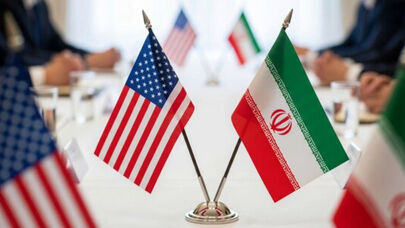
The political activist went on to note the complexity of possible negotiations between Iran and the US. Such negotiations, he pointed out, are not limited to Washington’s demands or Donald Trump’s expectations; the interests of regional countries and the implications of decisions for the security and stability of the Middle East must also be taken into account. From this perspective, negotiations could provide a forum for examining mutual interests and finding a way to reduce tensions. He stressed that the objective was not to choose war as a solution, but to end uncertainty and establish a clear path for the country’s future. Society, he said, cannot be kept indefinitely in a situation where there is neither confidence in peace nor clarity about the prospect of war.

In conclusion, Abtahi stressed the need to take seriously the warnings about the social and economic consequences of prolonging the neither-war-nor-peace situation. He called on decision-makers to take action to move beyond these conditions and restore hope and the ability to plan for the future, while taking people’s living conditions into account.


Serving People and Social Cohesion: Requirements for Strengthening National Power

Jafar Ghanadbashi, Iran’s former ambassador to Libya, also discussed the costs of the neither-war-nor-peace situation. He said prolonging these conditions could have numerous consequences for the country, affecting economic decisions, implementation plans and the outlook for economic activity. Under such circumstances, uncertainty about the future could slow the implementation of short-, medium- and long-term plans and, by increasing economic risks, create conditions for further price increases.

The West Asia expert continued: “Moving beyond this situation and toward greater stability and certainty is therefore among the goals and strategies emphasized by the Leader.” Achieving this objective, however, does not depend solely on the decisions and will of one side; the other side’s conduct also plays a decisive role. Some foreign propaganda seeks to create the impression that the Islamic Republic of Iran either does not understand the harm caused by prolonging the current situation or is unwilling to move beyond it. In reality, the emphasis on the need to overcome these conditions demonstrates an awareness of their consequences and the importance of achieving stability.

He added that, in light of past experience, negotiations and dialogue alone cannot be regarded as a guarantee of a lasting and reassuring agreement. Strengthening national power and enhancing the country’s deterrent capabilities are therefore particularly important. A country seeking to defend its security and interests must possess the necessary capabilities across various fields.

Addressing the requirements for progress, Ghanadbashi stressed that science and technology are among the most important components of national power. The emphasis on universities, the responsibility of the country’s intellectual elite and the need for scientific advancement should be understood in this context. Sustainable military and economic power also depends on knowledge, technology and scientific capabilities; lasting strength cannot be achieved through slogans alone. Alongside scientific progress, serving the people and strengthening social cohesion are also essential to increasing the country’s power. Officials’ attention to public demands, efforts to address people’s problems and greater coordination among the executive, legislative and judicial branches can strengthen public confidence and foster greater social solidarity.

The international affairs analyst explained that the connection between science, faith and religious values is also among the issues emphasized within the country’s cultural and social discourse and can resonate with particular audiences. Assessing the country’s future prospects also requires examining a range of developments and indicators together. Increased regional engagement and the presence of foreign delegations in Iran can be viewed as signs of expanding diplomatic relations, although assessing how much these developments affect Iran’s regional standing requires examining their practical outcomes and the agreements reached.

He also noted that the media play an important role in explaining regional and international developments. Accurate reporting on countries’ positions, the course of negotiations and security developments can help people better understand the situation and prevent misconceptions from taking hold.

In conclusion, Ghanadbashi said that moving beyond the neither-war-nor-peace situation requires a range of measures in the defense, scientific, economic and social spheres. Strengthening deterrence, developing technology, enhancing national cohesion, addressing public demands and expanding diplomatic engagement are among the areas that can be pursued to increase stability and strengthen national power.
 

Source: Nournews
Related News
Send Comment