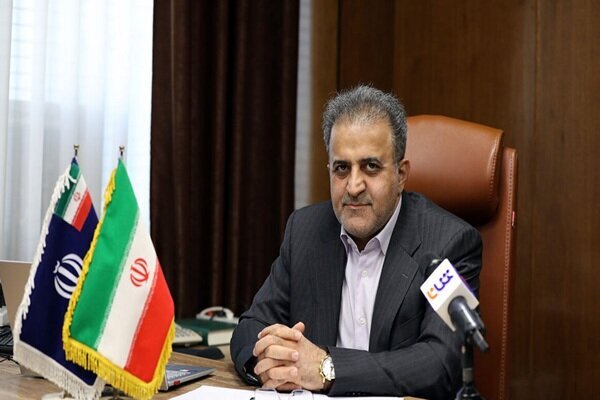
According to Iranian oil ministry's news service-SHANA-, in an interview with Shana, Ali-Mohammad Mousavi, deputy oil minister for international affairs and trade and Iran’s representative at international energy forums, discussed the Moscow summit’s objectives, Iran’s agenda, the GECF’s role in global energy governance and opportunities for advancing Iran’s gas diplomacy.
Q: What are the circumstances surrounding the eighth GECF summit, and how do you assess its significance?
Mousavi: The eighth GECF summit is taking place at a critical juncture in the evolution of the international energy system and coincides with the forum’s 25th anniversary. In recent years, the global natural gas market has undergone significant changes driven by geopolitical, economic, technological and environmental factors.
Changes in international gas trade patterns, the expansion of liquefied natural gas (LNG) infrastructure, growing concerns over supply and demand security, intensifying competition for investment and rising energy needs in emerging economies have underscored the importance of dialogue and coordination among gas-producing and exporting countries.
Against this backdrop, the summit provides an opportunity for leaders to exchange views at the highest political level, assess long-term market trends and strengthen common approaches to strategic issues facing the natural gas industry.
The significance of the summit extends beyond reviewing market developments. It can also help reinforce the GECF’s position as an influential platform for international energy dialogue and for safeguarding the legitimate interests of gas-producing and exporting countries.
Q: What level of participation will Iran have at the Moscow summit, and what is planned for the Iranian delegation?
Mousavi: Iran was the principal proponent of establishing the GECF and is one of its founding members. As a country with some of the world’s largest proven natural gas reserves, Iran has consistently played an active and influential role in the forum’s activities.
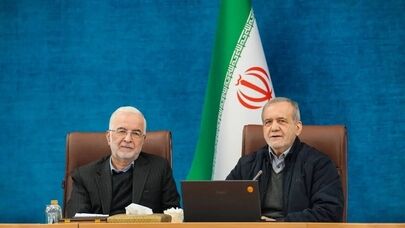
At the eighth summit, Iranian President Masoud Pezeshkian will lead a high-level delegation accompanied by Hamid Bovard, caretaker oil minister.
The president’s address to the summit, outlining Iran’s principled positions on international developments and the global energy market, as well as the country’s views on the future of gas cooperation, will be among the main events of the visit.
Before the leaders’ summit, the forum’s 28th ministerial meeting will bring together ministers and senior representatives of member countries. The meeting will review and approve the secretariat’s programs and finalize the documents to be presented to the summit.
The Iranian delegation also plans to hold bilateral meetings with senior officials from member and observer countries, particularly on energy cooperation. Discussions will explore opportunities to expand bilateral and multilateral ties in natural gas trade, investment, infrastructure development, technology transfer, technological cooperation and the use of shared capacities among member countries.
Q: What are Iran’s main priorities and positions at the eighth summit?
Mousavi: Iran’s positions can be outlined along two principal dimensions: political issues and strategic energy priorities.
On the political front, one of the Iranian delegation’s priorities will be to explain the dimensions of the military aggression by the United States and the Israeli regime against Iran and condemn actions targeting the country’s national sovereignty, territorial integrity and security.
In this context, the martyrdom of the Leader of the Islamic Revolution, military commanders and civilians, as well as events related to Minab and Lamerd, will be addressed in line with Iran’s official positions.
In the energy sector, our key priorities include protecting the collective interests of forum members, strengthening the role of natural gas in energy security, ensuring continued investment across the gas value chain, countering unilateral restrictive measures against producers, and expanding technical, commercial and investment cooperation.
We believe energy security is a balanced, multidimensional concept. Achieving it requires simultaneous attention to security of supply for consumers, security of demand for producers, investment security and the sustainability of energy trade flows.
Q: Given recent geopolitical developments, how do you view the relationship between political stability and security in the global gas market?
Mousavi: Because the natural gas industry is capital-intensive, involves long investment recovery periods and depends on extensive production, transmission, processing and export infrastructure, it requires political stability, investment security and predictable market conditions more than many other economic activities.
Any escalation in geopolitical tensions, threats to energy infrastructure, disruption of transportation routes or imposition of unilateral restrictions can affect project financing costs, investment risks and energy prices, ultimately undermining supply security in regional and global markets.
For this reason, we emphasize the need to prevent the politicization of energy trade and its use as an instrument in international relations. I believe the global gas market should develop on the basis of cooperation, mutual benefit, respect for contractual obligations and nondiscriminatory access to technology, equipment and financial resources.
Energy security is a shared responsibility among producers, consumers and countries through which energy is transported. None of these stakeholders can guarantee lasting energy security without taking the interests and concerns of the others into account.
Q: How do you assess the role of natural gas in the global energy mix in the years ahead?
Mousavi: Given its technical, economic and environmental characteristics, natural gas will remain an important pillar of global energy supply in the coming decades.
Compared with coal, natural gas emits less carbon dioxide when burned to produce the same amount of energy. If methane emissions across the supply chain are effectively managed, it can also help reduce greenhouse gas emissions.
In addition, the flexibility of gas-fired power plants allows them to support the integration of intermittent renewable energy sources, including solar and wind power.
Population growth, industrial development, urbanization and rising electricity demand in developing countries also provide considerable scope for natural gas to maintain its role in the global energy mix.
However, energy transition pathways differ from one country to another. Energy policies must reflect each country’s economic conditions, level of development, resource base and national priorities.
At the Oil Ministry, we believe the energy transition should be realistic, equitable and based on diversifying energy sources. It should not lead to unreasonable restrictions on investment in the natural gas industry.
Q: The GECF has emphasized the need for investment in the gas industry. Why is this important?
Mousavi: The sustainable development of the natural gas industry requires continuous, long-term investment across the entire value chain, from exploration and field development to processing, transmission, storage, exports and LNG infrastructure.
Because major gas projects generally require substantial financial resources and long periods for design, construction and operation, a stable and predictable investment environment is particularly important.
Reduced or delayed upstream investment can constrain supply capacity over the medium and long term, intensify price volatility and increase the vulnerability of the global gas market. Such an outcome would benefit neither producers nor consumers.
Accordingly, one of Iran’s key messages at the Moscow summit will be the need to strike a balance among energy security objectives, economic development and environmental considerations.
Producer countries must have fair access to financial resources, advanced technologies and consumer markets. Political barriers and unilateral restrictions should not obstruct the development of natural gas production and export capacity.
Q: What role does the GECF play in developments in the global gas market, and can it be considered an organization similar to OPEC?
Mousavi: The GECF is an intergovernmental organization with a consultative, analytical and cooperative mandate. It was established to strengthen engagement among natural gas-producing and exporting countries.
Unlike OPEC, the GECF does not have a mechanism for setting production quotas or directly managing natural gas supply volumes in the global market.
Structural differences between oil and gas markets, including the significant role of long-term contracts in gas trade, dedicated transmission infrastructure and the regional characteristics of gas markets, mean that cooperation within the forum operates differently.
Nevertheless, the GECF can play an effective role in strengthening natural gas’s position and defending producers’ shared interests by facilitating the exchange of views, experience and information; conducting specialized studies; providing long-term market outlooks; promoting technical cooperation; and coordinating members’ positions in international forums.
Strengthening the secretariat’s technical and research capabilities, expanding technological cooperation and increasing the forum’s participation in global energy discussions can further enhance its role in international energy governance.
Q: What capacity does Iran have to expand gas cooperation with other GECF members?
Mousavi: Thanks to its vast natural gas reserves, strategic geographical position, extensive gas transmission network, long experience in developing and operating gas fields, and technical and engineering capabilities, Iran has considerable potential to expand regional and international cooperation.
Iran’s geographical position, connecting energy-rich regions with consumer markets, offers opportunities to develop regional gas trade and transit cooperation.
Potential areas of cooperation with GECF members include expanding gas exports through pipelines and LNG, establishing swap and transit arrangements, cooperating in field development, participating in processing and infrastructure projects, and exchanging technical expertise.
Cooperation in reservoir management, improving recovery rates, reducing gas flaring, optimizing energy consumption, cutting methane emissions and developing technologies across the gas value chain could also become part of specialized engagement among member countries.
Realizing this potential will require political will among member countries, favorable economic, technical, contractual and investment conditions, and arrangements that ensure mutual benefits for all parties involved.