The ban on luxury car imports comes as Iran’s economy faces limited foreign currency resources and pressure stemming from sanctions and wartime conditions. In such circumstances, allocating foreign currency to expensive vehicles, particularly when securing foreign currency for some essential goods is proving difficult, raises questions about the country’s trade priorities.
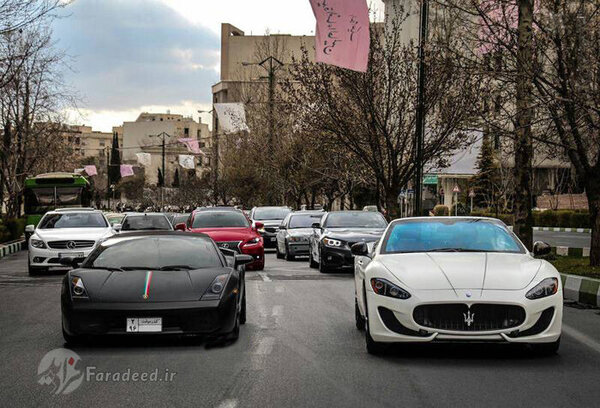
The government has halted luxury car imports by presidential order. The decision follows criticism over the entry of expensive vehicles and their impact on foreign currency resources. However, an examination of the issue shows that the question goes beyond the import ban itself: the channels through which these vehicles entered the country and the mechanisms for overseeing them must also be examined.
How Did Luxury Cars Enter the Country?
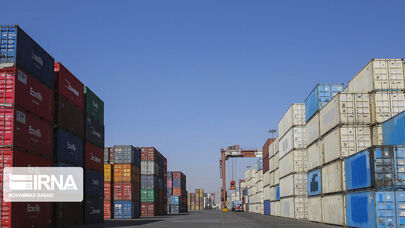
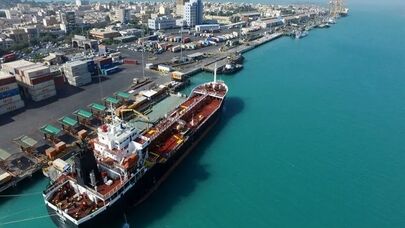
Car imports resumed in 2022, after several years of suspension. The stated aim of the policy was to increase supply and help moderate prices. Alongside general imports, however, other channels also emerged, including the use of individuals’ foreign currency holdings and import privileges granted to Iranians living abroad.
Supporters of allowing imports through individuals’ foreign currency holdings argued that this route would make imports less directly dependent on official foreign currency resources. However, sourcing foreign currency from abroad does not necessarily mean that imports have no impact on the foreign exchange market. This is because the sale of vehicles inside the country, and the subsequent transfer or conversion of the proceeds, can affect demand for foreign currency. For this reason, the source of the foreign currency alone is not sufficient to assess the economic impact of imports.
Customs figures also indicate that thousands of vehicles have entered the country in recent years. However, figures for all imported vehicles should not be equated with statistics on luxury car imports. A proper assessment of the government’s policy requires the publication of disaggregated data by model, vehicle value and method of foreign currency financing.
The central question is whether oversight mechanisms have been able to strike a balance between market demand for affordable cars and demand for expensive vehicles. In the absence of transparent information, it is not possible to classify all imports as non-essential. Nevertheless, the need to prioritize the allocation of foreign currency resources cannot be overlooked.
Booming Market for Cars Worth Hundreds of Billions of Tomans
Media reports have highlighted the gap between the prices of some luxury cars in Iran and their prices in international markets. These reports have put the advertised price of a 2026 Range Rover Vogue at around 400 billion tomans, a figure that represents a substantial gap compared with the vehicle’s global price. However, an advertised price does not necessarily mean that a transaction has taken place at that amount.
Tariffs, taxes, transportation costs and vehicle registration fees account for part of the price difference. However, limited supply, inflationary expectations and investment-driven demand also play a role in shaping prices. In a market where imports are restricted, the scarcity of certain models can drive up their value and turn car trading from a purely consumer activity into a means of preserving wealth.
From this perspective, a ban on imports does not necessarily mean luxury cars will become cheaper. If supply declines while demand remains, prices of vehicles already on the market could even rise. The ban should therefore be accompanied by effective oversight of imports, transparency in foreign currency allocation and measures to facilitate the entry of more affordable vehicles.
The main issue is not simply whether luxury cars should be allowed into the country, but how the country’s limited resources are allocated. Publishing accurate import figures, monitoring foreign currency sourcing channels and prioritizing essential goods could help make it easier to assess the policy. Otherwise, the ban alone may restrict supply without curbing the thriving market for expensive cars.