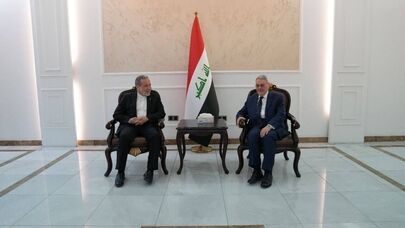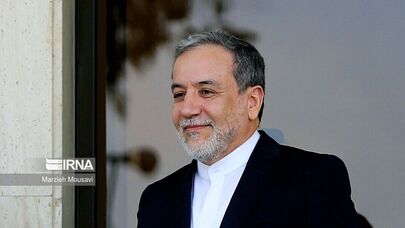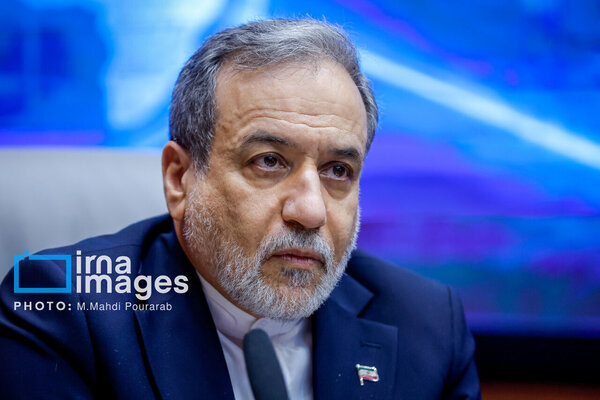
Speaking to the IRNA correspondent in Baghdad on Sunday on the sidelines of the annual session of the Council of Foreign Ministers of the Organization of Islamic Cooperation (OIC), Araghchi said the OIC resolutions had not yet been adopted, adding that the final statement was still being drafted.
The foreign minister said Iranian officials had worked in recent days to ensure that Iran’s views were reflected in the documents, noting that most resolutions, with a few exceptions, repeated those adopted last year.
On Yemen, Araghchi said the meeting had seen serious discussions, with Saudi Arabia, Iran and other countries presenting their positions. A draft resolution on the issue had not yet been finalized.
Iran hopes that fairness and balance will be reflected in the final resolution, he said, adding that if these principles are not upheld, the Islamic Republic will not be able to join the consensus on the resolution and will openly express its reservations regarding it.
Araghchi said countries aligned with Saudi Arabia held a sizable bloc within the OIC, but Tehran had conducted extensive consultations and clearly outlined a just solution.
He also expressed hope that Iraq’s assumption of the OIC presidency and the appointment of a new secretary-general, Mauritania’s former foreign minister, would revitalize the organization. Around 20 foreign ministers attended the meeting, he said, describing the turnout as significant by the organization’s standards.
Araghchi said the OIC should play a constructive role in resolving disputes among Muslim countries. He had raised the issue with Iraq’s prime minister, foreign minister, and the organization’s new secretary-general.
Turning to negotiations with the United States, Araghchi said Iran’s seven-day proposal remained on the table, and Washington’s response was under review. If the United States met Iran’s conditions, the Strait of Hormuz would reopen on the sixth day, and negotiations would resume on the seventh, he said.
He said Iran would not yield to threats and was better prepared to defend itself than in previous conflicts. Tehran remained ready for diplomacy if it protected the Iranian people’s rights and dignity, he added, saying diplomatic engagement and defense preparedness were compatible.
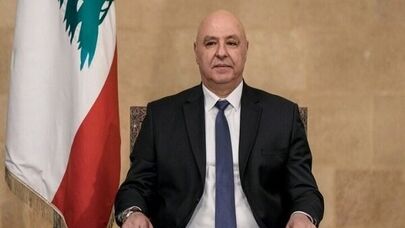
Araghchi also called for comprehensive political, economic, and cultural relations with Lebanon, stressing that its domestic affairs should be decided by the Lebanese themselves.