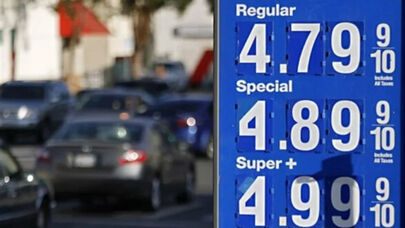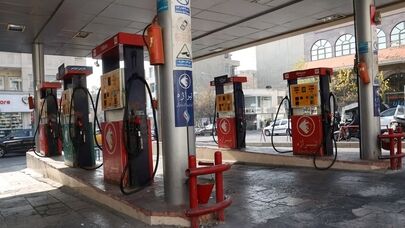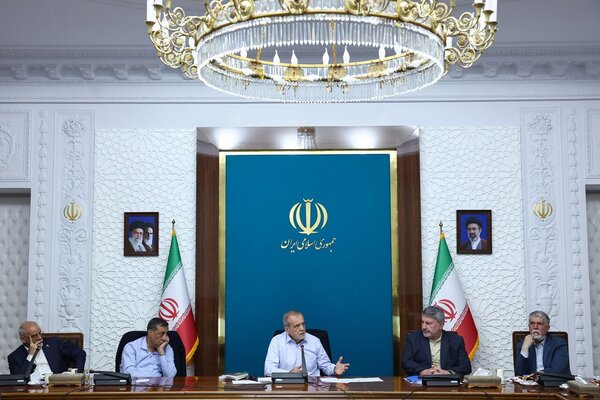
Speaking at the Government Information Council meeting in Tehran on Sunday, President Masoud Pezeshkian said that gasoline imports were no longer needed, thanks to public cooperation that contributed to significant savings—savings that would have otherwise cost the country $12 billion.
He also addressed other domestic issues during the session, including the Council's initiatives and plans focused on leveraging media capacity and the public relations departments of government agencies to articulate their achievements.
Emphasizing the full and purposeful utilization of media to promote justice across various sectors, the President said the plot of Iran's adversaries—encompassing military aggression, pressure and economic sanctions, and media onslaughts—is aimed at sowing discord and intensifying division among various social strata.
He reiterated his call for joining hands to resolve the country's challenges, using every available resource—including the media—to strengthen national unity and cohesion.
Referring to the US-Israeli-imposed war and illegal economic sanctions, Pezeshkian said the enemies had created significant hardships for the Iranian nation, but the government would spare no effort in resolving the people's problems and achieving a stronger Iran.
Stressing that securing the people's livelihoods must remain the primary priority, he said revenue generated from fuel price hikes, as well as through conservation and consumption management, would be returned to the public.