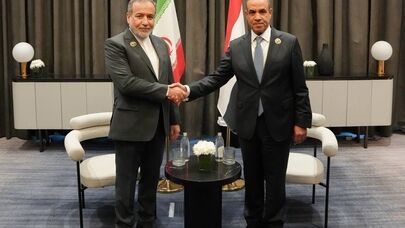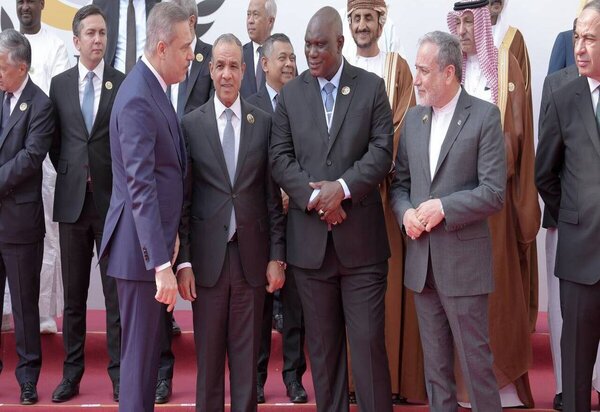
Nournews: The 52nd session of the Council of Foreign Ministers of the Organization of Islamic Cooperation, under the theme “Dialogue and Solidarity as Two Essential Pillars for Advancing Peace and Sustainable Progress,” will be held in Baghdad on Saturday and Sunday. The meeting is significant both for Iraq, which seeks a greater role in regional affairs, and as an opportunity to discuss rapidly evolving developments across the region and the world.
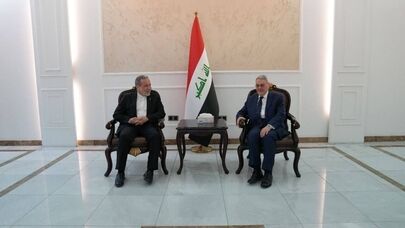
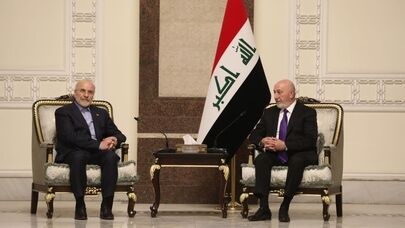
In this context, Iranian Foreign Minister Seyed Abbas Araghchi has traveled to Baghdad at the head of a diplomatic delegation to present Tehran’s views and positions and hold bilateral meetings with a number of his counterparts from participating countries.
Current circumstances demand that the OIC move beyond rhetoric and prevent some of its members from playing into the hands of those opposed to security and unity in the Islamic world. Otherwise, its meetings will amount to little more than repeated diplomatic displays, speeches with limited impact, and short-lived encounters.
Iran-Iraq Engagement: From Good-Neighbourly Relations to Strategic Convergence
Part of Araghchi’s visit should be viewed in the context of the two countries’ efforts to expand bilateral relations across the board. The withdrawal of US forces from Iraq, shared security threats facing Tehran and Baghdad, the need to expand economic cooperation—particularly joint efforts to counter US coercion and sanctions—and common regional concerns, including the Palestinian issue, all offer significant opportunities to deepen ties between the two countries.
Harnessing convergence among the various components of the resistance camp to achieve lasting peace and security is another potential area of cooperation. Realizing these opportunities, however, requires sustained engagement and comprehensive coordination. From this perspective, Araghchi’s visit could mark a step toward strengthening bilateral relations and advancing shared interests.
Iran’s Initiative for Greater Unity: A Response to Claims of Tehran’s Isolation
Iran has consistently emphasized the unity and cohesion of the Islamic world while insisting that Islamic countries retain their independence and freedom of action. Tehran has also put forward various initiatives to advance this objective.
From Iran’s perspective, Islamic unity can be achieved only by resolving internal misunderstandings, strengthening shared political, economic, cultural, and security capabilities, and confronting various forms of imposed terrorism and scientific apartheid. Confronting the Israeli regime, ending appeasement and both overt and covert relations with it, and securing the withdrawal of foreign forces from the region are also essential to establishing indigenous and sustainable security.
At this critical juncture, Iran’s participation in the Baghdad summit provides an opportunity to articulate these positions and sustain Tehran’s active diplomacy. Iran’s engagement in the Shanghai Cooperation Organization and BRICS, meetings of the Commonwealth of Independent States and the Conference on Interaction and Confidence-Building Measures in Asia (CICA), as well as other international forums, also calls into question claims that the country is isolated.
Beyond strengthening Iran’s capacity to counter hybrid warfare, particularly in the economic sphere, these engagements stand in stark contrast to US President Donald Trump’s claim that Iran has been destroyed. A country described in such terms continues to play an active role in regional and global affairs.
The Ramadan War and the Strait of Hormuz: Recognizing Iran’s Role in Providing Security
Developments in the region following the Ramadan War have ushered the Islamic world into a new phase in which a return to previous regional arrangements is increasingly difficult. Some Arab countries on the southern shores of the Persian Gulf made their territory and airspace available to the United States and the Israeli regime for attacks on Iran. Tehran, however, has continued to emphasize diplomacy and neighbor-focused regional cooperation, maintaining that its targets have been US-Israeli bases, interests, and assets.
Iran’s management of the Strait of Hormuz is also linked to this approach, which frames security arrangements in terms of the interests of the region and the wider Islamic world.
Accordingly, the OIC should acknowledge Iran’s role in preventing further acts of aggression and its calls for an end to the war on all fronts, including within the framework of the Islamabad memorandum of understanding. Islamic countries, for their part, can help strengthen indigenous regional security by condemning US and Israeli crimes.
Moving Beyond Rhetoric: The Real Test of the OIC’s Credibility
Broad declarations at Islamic gatherings are no longer sufficient. A shift toward realistic, action-oriented approaches has become essential. The Palestinian issue and opposition to Israeli occupation and crimes must be translated into practical commitments, given that the Palestinian cause was central to the establishment of the OIC. Such commitments should include severing ties and ending cooperation with the Israeli regime.
Countries cannot claim to support Palestine while turning a blind eye to the hosting of Israeli leaders in countries such as the United Arab Emirates and Azerbaijan, or to actions targeting other countries in the region. Similarly, supporting Trump’s so-called Board of Peace, amid concerns over the displacement of Gaza’s residents, is incompatible with claims of defending Palestine.
Dialogue and solidarity have meaning only when they serve the interests of Islamic countries and help establish indigenous security—not when they are used to justify submission to the United States or accommodation with the Israeli regime.
The agenda should include examining the occupation of Palestine, Lebanon, and Syria; US acts of aggression; developments in Yemen; and an end to Saudi Arabia’s aggression against that country.
The Baghdad summit will have credibility only if it addresses the root causes of regional crises and misunderstandings, upholds countries’ territorial integrity and independence, and confronts occupation and aggression rather than becoming a platform for justifying them.