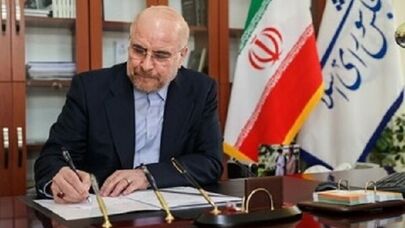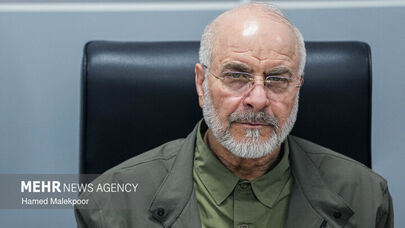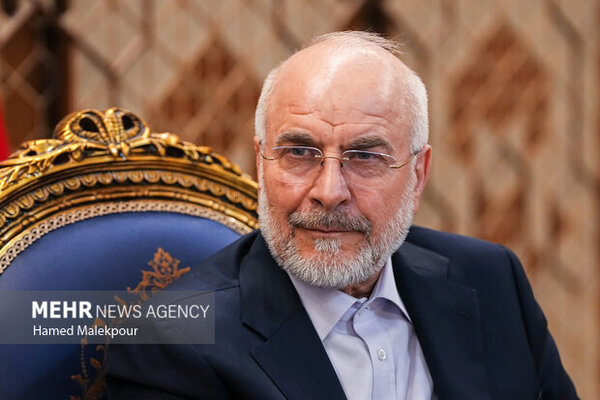
Speaking in a televised interview aired on Wednesday evening, Ghalibaf criticized Washington for violating the Islamabad Agreement. "Even if the United States accepts commitments in a signed document, this would not, by itself, prevent another attack on Iran."
He also noted that continuing the war and escalating tensions alone would not necessarily deter the adversary from making further threats. According to Ghalibaf, Iran’s strategy must combine military preparedness with negotiations to establish lasting deterrence.
Referring to Iran’s eight-year war with Iraq, Ghalibaf said that despite the costs and hardships of the conflict, Iran had established conditions that deterred attacks against the country for decades.
Ghalibaf stressed that military strength is not the only factor in deterrence, pointing to a broader range of domestic and regional capabilities.
He cited improvements in Iran’s firepower, offensive capabilities and air defenses as key military components, saying these capabilities had increased between the 12-day war and the most recent conflict. He also highlighted the capabilities of regional resistance groups, Iran’s strategic position overlooking the Strait of Hormuz, national unity, and economic and social resilience.
The parliament speaker said the goal was to make Iran strong enough that the United States and other regional and international actors could not achieve their objectives through military attacks.
Ghalibaf said Iran must be prepared to defend itself with full force when necessary while using diplomatic opportunities to consolidate military gains and protect national interests.
He argued that military victories should be translated into political and legal gains, while negotiations should provide Iran with the time and resources needed to strengthen its capabilities.
Ghalibaf emphasized that combining war and negotiations did not mean pursuing an endless war or engaging in permanent negotiations. Rather, he said, the objective was to compel the other side to accept Iran’s demands or, if it refused, acknowledge defeat and grant concessions that would allow Iran to strengthen its deterrence capabilities.