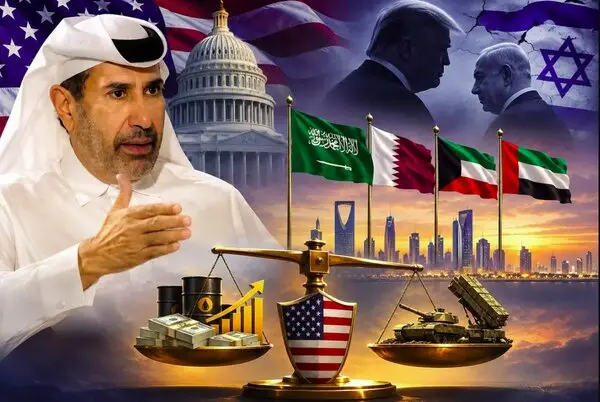
Recent remarks by former Qatari Prime Minister Hamad bin Jassim bin Jaber Al Thani about the US approach to Arab countries along the Persian Gulf have once again raised a fundamental question for regional governments: Is Washington genuinely providing security for its Arab allies, or does it define its security relations with them in terms of its own economic and political interests? This question has taken on greater significance in light of the 40-day war and Washington’s conduct towards its regional allies, revealing signs that US interests take precedence over these countries’ actual security.
US Alliance: Security Commitment or Economic Transaction?
Responding to remarks by former Donald Trump adviser Steve Bannon about the need for the US to distance itself from Saudi Arabia, Qatar, Kuwait and the UAE, Hamad bin Jassim pointed to an approach under which Arab countries remain allies and receive Washington’s attention only as long as they serve US interests. Criticizing shifts in US foreign policy priorities and the different tone adopted by some American figures when discussing Israel, he underscored a reality: Washington’s relations with its regional allies are driven more by changing calculations of self-interest than by lasting commitments.
This outlook has a long history in American political discourse. Donald Trump has repeatedly stressed that Saudi Arabia should pay for Washington’s security support, describing the relationship with Riyadh in terms of an economic and security transaction. The controversial “milking cow” metaphor, attributed to Trump in some media accounts, reflects the same transactional approach. Under this view, Arab countries are not partners bound by mutual security commitments, but parties expected to bear the cost of American protection.
40-Day War Exposed Washington’s Security Priorities
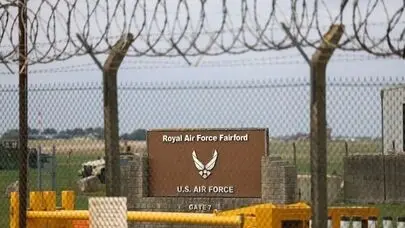
The 40-day war revealed further dimensions of these relations. During the conflict, reports emerged of US air defense systems and equipment, including THAAD and Patriot systems, being redeployed to the Middle East. At the same time, some reports pointed to dissatisfaction among Arab officials over how the US managed its defensive support and the apparent priority given to protecting Israel. These developments once again raised a fundamental question: At a critical moment, is Washington’s priority the security of its Arab allies or the protection of its own interests and strategic ally?
The political economy of war must also be considered. Increased arms purchases, the continuing need for defense systems and security dependence on foreign suppliers generate substantial benefits for the US military industry. Under this model, a crisis is not merely a threat; it can also become a market for arms sales and a means of consolidating political influence. This does not mean Washington seeks to provoke war in every crisis. However, it is clear that continued insecurity and security dependence bring significant economic and strategic benefits to the US. It is therefore impossible to draw an absolute dividing line between Washington’s security policies and the economic interests they generate.
Tehran Summit: Laying the Groundwork for Regional Security Independence
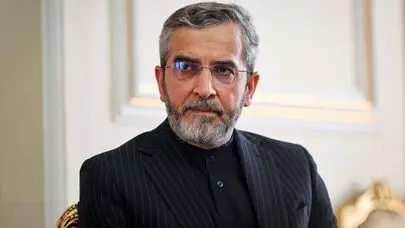
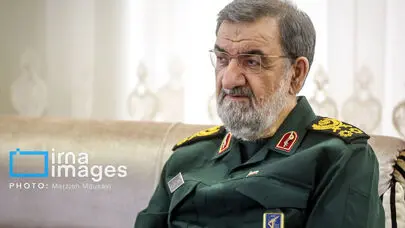
Against this backdrop, the four-party summit in Tehran and its emphasis on regional cooperation to ensure security by drawing on indigenous capabilities carry significance beyond that of a diplomatic meeting. If translated into a practical and sustained mechanism, this approach could pave the way for a different security model—one in which regional countries rely on dialogue, cooperation, confidence-building and mutual responsibility rather than outsourcing their security to powers from outside the region.
The advantages of such a model go beyond reducing military and economic costs. Indigenous security could prevent regional countries from becoming arenas for competition among foreign powers and ensure that security decisions made in Washington or Tel Aviv do not determine their collective fate without regard for the consequences for other countries in the region. The recent war demonstrated that the presence of foreign military bases and equipment does not necessarily shield host countries from the consequences of conflict. Indeed, it may expose them to threats and repercussions arising from decisions in which they had no part.
Indigenous Security: From Dependence to Shared Responsibility
Regional security cannot be achieved without addressing political differences, historical rivalries and mutual concerns. The Tehran initiative can become a lasting model only if it moves beyond statements and meetings towards regular dialogue, agreement on shared principles, crisis-management mechanisms and practical cooperation on maritime and regional security.
The message of recent developments for Persian Gulf countries is clear: reliance on foreign powers may meet certain security needs in the short term, but it offers no guarantee that their long-term interests will be protected. If security becomes an instrument for transactions, arms sales and political pressure, regional countries will continue to bear the costs of crises they did not necessarily help create.
From this perspective, the Tehran summit offers an opportunity to rethink the concept of regional security: moving from “buying security” to “producing security” and transforming regional countries from customers purchasing military protection from foreign powers into responsible actors in safeguarding their own stability. The future of West Asia will not be determined by a race to purchase more weapons, but by a shared commitment to preventing war, managing disputes and establishing a security order built on the region’s own capabilities.