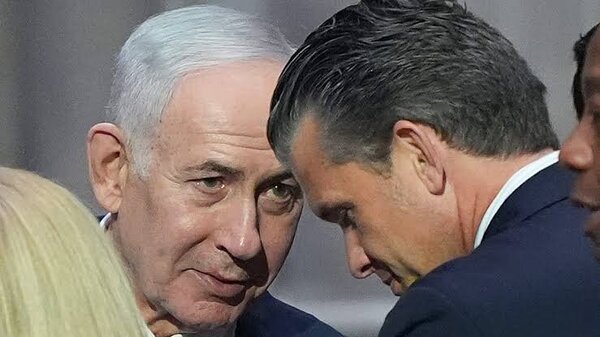
Hours after Axios reported an unannounced meeting between Benjamin Netanyahu and Pete Hegseth in the occupied territories, the US secretary of war confirmed that he had traveled to West Asia. Without disclosing his exact location, Hegseth posted a photo of himself alongside US troops and described his meeting with CENTCOM personnel as an honor. Axios and Israeli outlet Walla also reported, citing informed sources, that the confidential meeting took place at Ovda Airport in Eilat, a facility used for both military and civilian purposes where US refueling aircraft are stationed.
The meeting took place a day after Trump announced his support for Netanyahu serving another term as prime minister. Hegseth’s visit can therefore be viewed as a publicity move intended to demonstrate US military backing for Netanyahu and strengthen his image as a leader who enjoys Washington’s support. Its electoral objective is to influence voters in the occupied territories ahead of the October 27 Knesset election. Given the importance of US support in voters’ assessments of security, the message could suggest that Netanyahu is the only candidate capable of securing Washington’s political and military backing.
Trump’s Gamble in an Election With No Guaranteed Outcome
Trump and Hegseth’s direct involvement in the electoral calculations of the Zionist regime not only exposes the close links between Washington’s and Tel Aviv’s policies, but also raises serious questions about the outcome of this support. Polls and growing negative perceptions of Trump’s policies, particularly regarding the war against Iran and US relations with the Zionist regime, suggest that this backing does not guarantee electoral gains.
In this context, Vice President JD Vance’s decision not to publicly endorse Netanyahu in the election is significant. In an interview with the digital media outlet Tuvy, he stressed that he did not want to interfere in Israel’s election. While this position may reflect possible differences with Trump, it could also stem from electoral considerations and a desire to avoid the political costs of openly backing Netanyahu. Given US public opinion, these considerations merit attention.
In effect, the White House’s direct support for a candidate constitutes overt interference in the Zionist regime’s election and calls into question claims that the regime has an independent electoral process and serves as a model of democracy in West Asia. The situation also points to the Zionist regime’s growing political isolation on the world stage, including within segments of the US political community.
Iran: An Electoral Campaign Theme or an Admission of Failure?
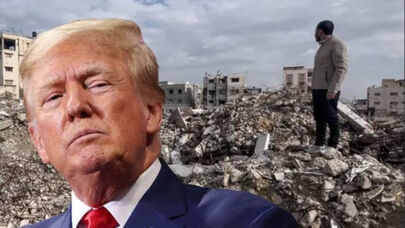
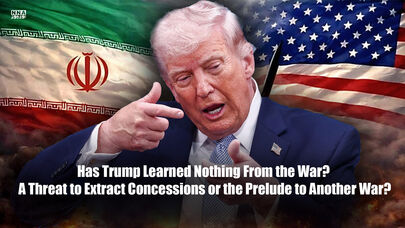
Iran has become a shared campaign talking point for Trump and Netanyahu. Netanyahu has claimed that he ordered the military and intelligence agencies to take action to overthrow the Islamic Republic of Iran. Citing Trump’s positions, he has described Washington’s objective as eliminating what he calls Iran’s existential threat to Israel. The regime’s new national security document has also placed confronting Iran in the nuclear, missile and drone domains at the center of its agenda.
Trump, for his part, has portrayed Netanyahu as the only person capable of taking part in destroying Iran and continues to repeat anti-Iranian claims. He has asserted that, as far as the US can determine, Russia has taken no action in Iran, and has characterized the request for NATO assistance as an attempt to test the alliance.
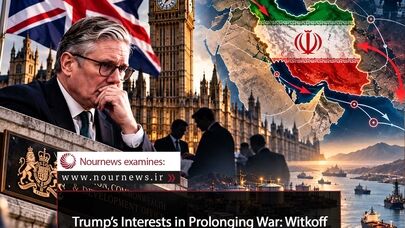
Yet this is precisely where the central contradiction lies: If Iran’s military, nuclear, missile and drone capabilities have been destroyed, and the country’s political and economic structures have been dismantled, why does Tehran remain at the center of Washington’s and Tel Aviv’s security and electoral agendas? Why do the Strait of Hormuz and its consequences continue to loom over global calculations, while energy prices and economic concerns keep rising? This continued focus is inconsistent with earlier claims that Iran’s capabilities had been destroyed and may indicate a failure to achieve the stated objectives.
Battlefield Is Decisive, Not Electoral Rhetoric
Trump and Hegseth’s support for Netanyahu, even if echoed by other US officials, does not in itself change realities on the ground. Developments have shown that the outcome of confrontations is determined not by statements and campaign promises, but by the actual balance of power. Iranian military commanders and political officials have also stressed the country’s readiness to respond on a larger scale with newer and more advanced weapons, a position that must be understood in this context.
The IRGC’s downing of a CENTCOM MQ-9 drone, continuing concerns over the Strait of Hormuz, and reports of widespread dissatisfaction among Americans with Trump’s policies are factors that political messaging cannot simply dismiss. Ultimately, Washington’s and Tel Aviv’s renewed focus on Iran raises more questions about the actual results of their actions than it substantiates their earlier claims. The outcome of the confrontation will be decided on the battlefield, where the Iranian nation’s resolve and capacity to respond could disrupt the calculations of the aggressors and force them to bear the costs of their adventurism.