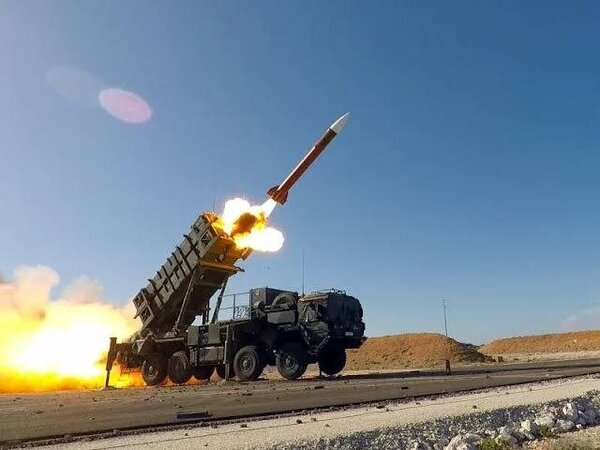
Published figures on Patriot interceptors paint a picture of unprecedented pressure on US air defense stockpiles during the war with Iran. Estimates indicate that the US Army fired approximately 1,800 PAC-3 MSE Patriot interceptors between February 28 and September 30, 2026. This figure matches the total of 1,795 interceptors delivered to the US Army from September 2001 through May 2020. The comparison highlights the rapid consumption of advanced defensive munitions during the war and raises serious questions about the ability to replenish these weapons and maintain US defense readiness.
From 19 Years of Deliveries to Seven Months of Consumption
According to information published in a data visualization by Stephen Semler, deliveries of Patriot interceptors to the US Army have been tracked from September 2001 through September 30, 2026. The figures show that the first major milestone was reached in May 2020, when cumulative deliveries of interceptors since September 2001 totaled 1,795.
The estimate of wartime consumption through September 30, 2026, also stands at approximately 1,800 interceptors, nearly matching the total number delivered during the first 19 years of the period under review. In other words, the volume of interceptors used in seven months of war is being compared with the total deliveries of these weapons over a much longer period. This disparity reveals the scale of the pressure placed on ammunition supply and support capabilities.
Rising Deliveries Amid Wartime Pressure
Published data show that cumulative interceptor deliveries had reached 3,314 by September 30, 2026. Between 2001 and 2020, total deliveries stood at 1,795. Deliveries then continued to increase, with the cumulative total surpassing 3,000 in subsequent years.
The estimated 1,800 interceptors fired during the war amount to approximately 54% of the 3,314 interceptors delivered by the end of September 2026. However, this ratio does not mean that 54% of the US operational inventory has been used. Historical cumulative deliveries do not necessarily correspond to the current usable inventory, and the published information does not specify how many interceptors remain, the size of initial stockpiles, or the share of munitions allocated to other missions.
Nevertheless, the comparison shows that a war can consume a large volume of advanced munitions in a short period, even though producing, delivering and replacing them requires considerable time and resources. If the rate of consumption remains high in subsequent periods, pressure on production capacity and stockpile replenishment programs will intensify.
Adverse Implications for the US Army’s Defensive Capabilities
The significance of these figures is not limited to the number of missiles fired. Patriot interceptors are among the US military’s advanced air defense munitions and are used to counter missile and aerial threats. Their extensive use could have several simultaneous consequences for the US Army’s defensive capabilities.
First, a reduction in ready-to-use stockpiles could limit the flexibility of US commanders in responding to simultaneous attacks or new crises. The greater the share of available munitions consumed in a war, the more important it becomes to prioritize targets, manage interceptor launches and allocate munitions to units and sensitive areas. Under such circumstances, maintaining defensive coverage across multiple fronts would require more complex planning.
Second, the gap between munition consumption and replenishment could become a major bottleneck in military readiness. Producing advanced interceptors depends on specialized components, raw materials, skilled labor and industrial capacity. Even an increase in orders does not necessarily translate into immediate missile deliveries. Consequently, if the rate of firing exceeds the pace of production and delivery, rebuilding stockpiles will take an extended period.
Third, higher defense costs and opportunity costs are other possible consequences of this trend. Replacing spent interceptors could tie up financial resources and production capacity that, under normal circumstances, would be used to replenish stockpiles, modernize systems or meet the needs of other US forces and allies. As a result, the pressure generated by the war could extend beyond the battlefield, affecting weapons procurement planning and equipment delivery schedules.
Fourth, a reduced margin of safety in the event of simultaneous crises could be a strategic cost of extensive munitions consumption. The US needs adequate stockpiles and the ability to replenish munitions quickly to maintain its deterrent capabilities and protect its forces and facilities. Any constraints on either of these two factors increase the likelihood that managing multiple crises simultaneously will become more difficult. However, determining the actual extent of this impact depends on precise information about operational stockpiles, production rates, supply contracts and the requirements of other fronts.
Ultimately, comparing the 1,795 interceptors delivered over nearly 19 years with the estimated 1,800 fired during seven months of war provides a significant indication of the intensity of US defensive munition consumption. These figures show that a war involving such a rate of consumption can place heavy pressure on stockpiles, the defense industry, military budgets and force readiness. The central issue is not simply the number of interceptors fired, but the US ability to replace them and maintain defensive readiness against future threats.