This approach runs counter to the policies publicly stated and put into practice by the head of the judiciary on transparency, reform and accountability.
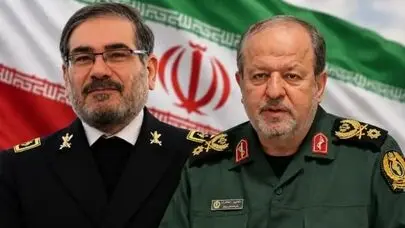
Over the past two months, certain individuals who appear to enjoy immunity, in their capacity as “human media,” to make any unsubstantiated claim have, in interviews or speeches at various gatherings, made false statements in the form of vile and unjust accusations against martyred Rear Admiral Ali Shamkhani. For years, Shamkhani served the system and the Revolution in the country's highest defense and security positions. In particular, he represented the martyred Leader of the Islamic Revolution on the Supreme National Security Council and the Defense Council.
Regardless of the personal character and record of this distinguished martyr, the fact that he held responsibilities at the highest levels of the system, particularly as a representative of the martyred Leader of the Revolution, combined with the nature of the accusations and the extensive attention they have received, makes this more than a personal dispute. Unsubstantiated allegations against one of the country's national and managerial assets, especially at a time when our beloved country is facing an all-out war with foreign adversaries, particularly on the cognitive front, can deepen uncertainty, doubt and despair among the public.
Under these circumstances, it was only natural to expect the public prosecutor, just as the office intervenes in matters of considerably lesser importance and scope, to treat this issue with due seriousness, summon the individuals concerned, examine their claims and fulfill its legal duty to protect society's psychological security, the rights of individuals and the dignity of the country's national and valued assets.
From the outset, Nournews sought an official explanation from the judiciary about how it intended to address the matter by raising questions with the judiciary's spokesperson. On several occasions, however, the response was deferred to subsequent press briefings on the grounds that the matter was under review and investigation. In practice, this outlet was not given another opportunity to raise the question.
But that was not the end of the matter. For approximately two weeks, not only has the spokesperson's office failed to honor its commitment to respond to the question, but invitations for Nournews to attend the judiciary spokesperson's press briefings have also been completely suspended. This approach raises the suspicion that, rather than responding to a legitimate media demand, the course of action has been to exclude the questioner and sweep the issue under the rug.
Yet accountability to the media is not a privilege granted by executive or judicial institutions; it is part of their responsibility to the public. A media outlet that raises questions about an issue of national importance should not face restrictions or be barred from attending press briefings simply because it continues to pursue its inquiry.
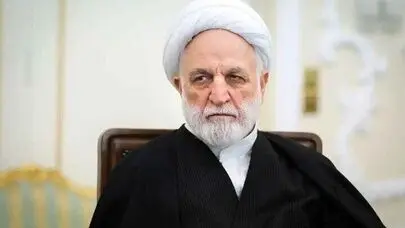
Moreover, this approach is inconsistent with the stated and demonstrated commitment of Hojatoleslam Gholamhossein Mohseni Ejei, the respected head of the judiciary, to reform, transparency, direct engagement with the media and the need for the judiciary to be accountable. It is therefore unclear on what basis the decision was made by the spokesperson's office and what justification there could be for stopping invitations to a media outlet to attend press briefings.
As a media outlet that has consistently sought to play its part in advancing the reform-oriented policies of the judiciary, in the belief that supporting such efforts is essential, Nournews expresses its serious dissatisfaction with this unexpected and unacceptable treatment. It stresses that pursuing this matter is not a professional or personal grievance, but part of its professional responsibility to the public.
It is expected that the respected head of the judiciary will order an examination of the reasons behind the suspension of invitations for Nournews to attend press briefings and that a clear, official explanation will also be provided regarding the status of the investigation into the fabrication of falsehoods and smear campaigns against martyred Admiral Shamkhani.
What is expected is lawful, transparent and fair action to uphold the rights of the public, together with an end to unjustifiable and arbitrary treatment of media outlets entrusted with asking questions and pursuing the public's demands.
Accountability is a sign of the judiciary's strength, not the exclusion of those asking questions or the restriction of a media outlet seeking clear answers.