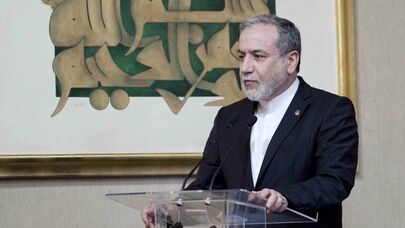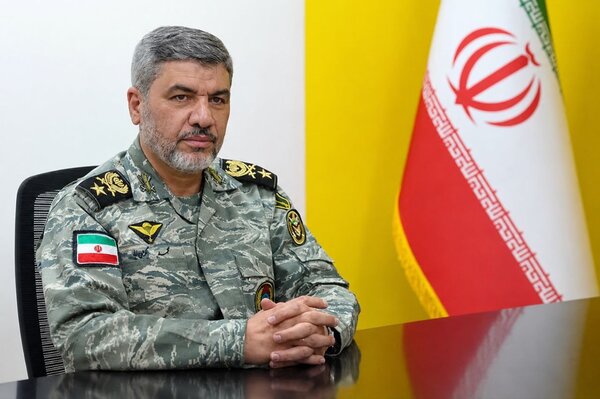
Akraminia said on Monday that the previous doctrine focused on defense and retaliatory deterrence: repelling an enemy strike, then responding within the region and at US bases there.
He said the new directives stress urgency, effectiveness, and no geographic restrictions, adding that these principles have been defined operationally and are being translated into strategies shaping the Army’s doctrine, weapons, tactics, and methods of warfare.
Akraminia said the doctrine would be comprehensive and intelligent, retaining the Army’s spiritual foundations and public support.
According to the spokesperson, the transition will draw on religious and theoretical foundations and lessons from current and previous wars, guiding strategy, tactics, force structure and weapons. It would strengthen deterrence regardless of political developments, including a possible Republican defeat in US midterm elections and a change in the person tasked with forming a cabinet in the Israeli regime.
On the Strait of Hormuz, Akraminia said Washington sought, after the Islamabad memorandum of understanding, to establish a fake route south of the strait and pressure shipping companies to use it. He said this violated clause four, assigning an Iranian mechanism to manage the strait and coordinate with Oman.
Iran issued warnings, he said, and vessels ignoring its rules faced insecurity. He blamed US interference, saying ships pressured into unsafe routes could hit naval mines and suffer damage.
Commercial shipowners, he added, could use designated routes in coordination with Iran’s Armed Forces, which would guarantee their security.