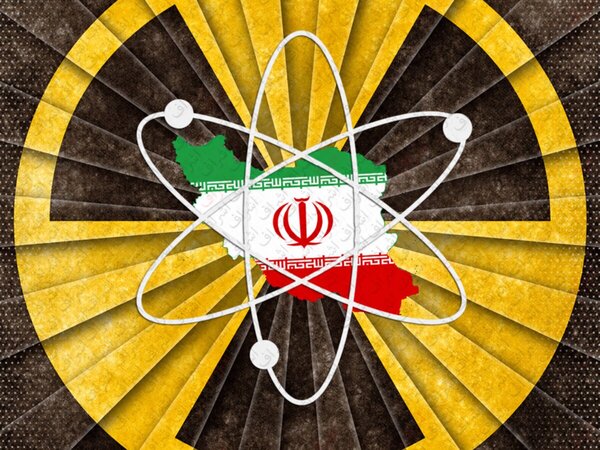
Following calls in public forums, religious gatherings, and popular rallies for Iran to withdraw from the Treaty on the Non-Proliferation of Nuclear Weapons (NPT), the debate has now shifted to the possibility of revisiting Iran’s nuclear doctrine. This issue has moved beyond specialized expert discussions and political and technical circles, finding its way into the media, religious platforms such as Friday prayer sermons, and nightly public gatherings. Recent remarks by several Friday prayer leaders, including those in Tehran, Mashhad, and other cities, suggesting that revisiting the nuclear doctrine is a public demand – and even an obligation – indicate that the issue is gradually emerging as a prominent demand in the country’s public discourse.
Raising the issue is neither inherently unusual nor unjustified, nor is it something that can be dismissed. At the same time, some political and media figures have criticized the way such issues are being raised among the public, arguing that the demand should instead be pursued and examined through specialized and technical channels.
The Link Between Public Demands and Strategic Decisions
Iran’s nuclear policy, given its direct implications for national security, foreign relations, the economy, and the country’s future, is not an issue toward which public opinion can remain indifferent. People have the right to question the country’s broader policy directions, express their views, and demand that officials explain the rationale behind and potential consequences of strategic decisions. Such demands are particularly understandable under current circumstances, following two wars of aggression that have inflicted enormous losses on the people.
The main issue, however, is not the public’s right to express its views or make demands, but how a public demand can be translated into a political and strategic decision. This is precisely where a distinction must be drawn between public participation and specialized policy formulation.
Distinguishing between public demands and strategic decision-making is an undeniable necessity in policymaking at the highest levels. Public opinion is certainly an important, and sometimes even decisive, factor. However, the shared and broadly held demands of the public cannot necessarily be measured through a single rally, the collective views of a group of citizens, or the statements of certain political and civil society activists.
Public gatherings, whether religious ceremonies or popular political events, provide an important platform for strengthening solidarity, demonstrating national support, and displaying social cohesion, particularly when the country faces security threats and external pressure. However, advancing and consolidating complex demands, such as withdrawal from the NPT or a change in the nuclear doctrine, naturally requires a different and more specialized process.
Nuclear doctrine is intertwined with a range of security, military, legal, economic, and diplomatic calculations. Any change to it could affect the calculations of opposing parties, regional relations, the sanctions situation, international relations, and even the country's economic future. Therefore, an issue with such far-reaching implications cannot be reduced to a simplistic pro-and-con debate in emotionally charged settings.
This does not mean that the public's voice should be dismissed or that people should be denied the right to express support for or opposition to such proposals. On the contrary, if we are to speak of a national demand, more precise and inclusive mechanisms must be put in place to hear it. Scientific opinion polls, national dialogue, expert meetings involving diverse viewpoints, deliberations within legal institutions, and transparent reports to the public are among the mechanisms that can turn public demands into data and proposals that can inform policymaking.
The Proper Authority for Formulating National Strategies
One of the most important features of strategic decision-making is having sufficient time to examine available options and assess their consequences. Decision-makers must be able to consider all possible options without being subjected to political pressure, temporary emotions, or expectations that may have been created in the public arena. The outcome of an expert assessment may even differ from the initial perceptions of some members of society or participants in public gatherings. Such differences should not become a matter of prestige or develop into a confrontation between the public and officials.
In fact, Tehran's interim Friday prayer leader, Hojjatoleslam Ali Akbari, called on experts in his remarks yesterday to submit their proposals on the issue so that relevant officials could examine them and eventually present them to the Leader of the Islamic Revolution for a decision.
Therefore, Ali Akbari's remarks on changing Iran's nuclear doctrine point to a process of review and policy formulation, rather than an official and definitive announcement of a change in Iran's nuclear policy.
The public must be heard, but decisions must be made through the appropriate channels. Three distinct issues must be recognized: the public's right to demand security and deterrence; the right of the expert community to put forward solutions; and the responsibility of decision-making institutions to select the appropriate course of action. These three elements complement one another; none is a substitute for the others.
People have the right to know what policies are intended to guarantee their security and what assurances exist to prevent a recurrence of foreign threats and acts of aggression. They also have the right to demand that officials take the painful lessons of the past into account in their calculations and be accountable for the country's future security. However, these rights must be exercised through credible channels for reaching specialized decisions.
Not every demand that emerges in society needs to turn into a street slogan to gain legitimacy or importance. On an issue as consequential as nuclear doctrine, the political maturity of society is demonstrated precisely by its ability to remain vigilant about national security and strength while also recognizing the need for expert assessment, consideration of diverse viewpoints, and respect for the requirements of strategic decision-making.
The people's voice must be heard, but the voice of a crowd should not be turned into a substitute for expert assessment and national decision-making processes. A country's strength is reflected, among other things, in the active presence of its people, but it is not confined to the streets or religious and political gatherings. Part of that strength lies in the ability of its experts to make comprehensive, well-informed, and far-sighted decisions.
The public can and should raise demands concerning the country's nuclear doctrine. However, the responsibility for designing, examining, and formulating national strategic doctrines rests primarily with the country's highest-level specialized institutions. These bodies must make decisions after carefully considering all relevant aspects and safeguarding national interests and priorities with due prudence. Experience has shown that the decisions emerging from these institutions are, in fact, aligned with and responsive to public demands.