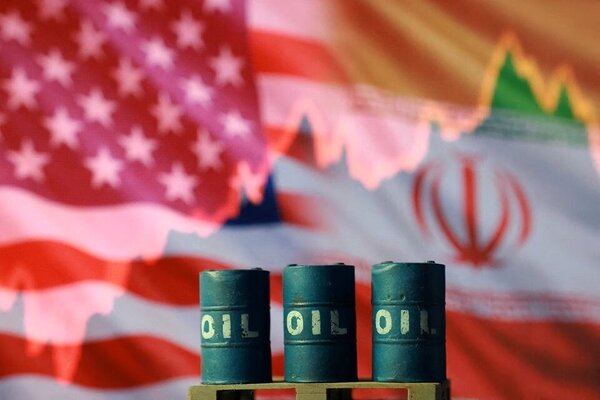
The US war against Iran has reshaped global commodity markets, and its effects have now spread beyond energy markets. A report by the Econovis Institute shows that escalating tensions, following a relative decline in prices during the summer months, have triggered a fresh wave of price increases. In October, rising fuel, transportation and supply costs have also become a tangible concern for households, businesses and politicians in Western countries.
Energy Leads the Global Price Surge
According to data in the Econovis report, energy commodity prices have risen 61.1% year on year, while oil prices have climbed 50.4% since February to around $102 a barrel. These figures illustrate the severity of the energy shock and the impact of geopolitical uncertainty on global markets.
The Strait of Hormuz, one of the world’s vital routes for oil and gas shipments, lies at the center of these developments. Disruptions to energy flows, supply constraints and higher shipping and insurance costs have intensified pressure on markets. The impact has not been limited to direct fuel costs; it has spread through supply chains to industry, trade and everyday consumption.
Energy Price Gap Between Europe and the US
According to published data, gas prices in Europe have reached around $25.40, compared with approximately $3 in the US, a difference of about 8.6 times. This gap highlights how unevenly the energy crisis is affecting Western economies. Energy-intensive industries in Europe face higher energy costs, while some US producers benefit from access to cheaper gas. However, rising prices for petroleum products have prevented the US from retaining its energy advantage across all sectors.
In Europe, higher fuel prices have put pressure on household budgets and corporate profit margins. A report published by Le Monde on October 1 said the European Union had recorded a new high in diesel prices, with the average reaching €2.23 per liter on September 21. Record prices had also been registered in 19 member states. Governments have begun considering or implementing financial and tax relief measures to ease the burden on households and vulnerable groups.
Copper Hits a Record as Technology Demand Grows
In metals markets, copper prices have reached $14,474 per metric ton, marking a 45% year-on-year increase. Rising demand from data centers, artificial intelligence infrastructure, power grids and electronic equipment, combined with limited investment in mining and the difficulty of rapidly expanding production, has placed additional pressure on this strategically important metal.
This trend shows that not all price increases can be attributed solely to the war. In the copper market, structural changes driven by the digital economy and supply constraints also play a significant role. These factors could continue to influence prices even if geopolitical tensions ease.
Diesel Puts Direct Pressure on the US Economy
According to a Reuters report dated October 9, the average price of diesel in the US had reached $6.28 per gallon, an increase of around 70% since the US-Israeli war against Iran began. Reuters attributed the situation to tight global supplies of refined petroleum products and the combined effects of the Iran and Ukraine crises on fuel flows.
Diesel powers a large share of the US freight trucking fleet. Higher prices have increased the cost of moving goods from ports and production centers to stores. To offset fuel expenses, transportation companies raise freight rates and fuel surcharges, ultimately passing the pressure on to distributors, retailers and consumers.
Farmers are also facing higher costs for the fuel used by tractors, harvesting machinery and equipment for transporting crops. Manufacturing industries, construction companies, postal services, online delivery businesses and other enterprises that depend on moving goods have also been affected by the increase.
An Associated Press report published by The Washington Post on September 4 said diesel prices had reached $5.85 per gallon at the time, with some of the additional costs being passed on through parcel delivery charges and food prices. Those prices climbed even higher by October.
Rising Prices Become a Political Issue in the West
The rising cost of living in the US has triggered social and political reactions. A Washington Post report dated September 27 found that some Republican candidates and lawmakers, including those in agricultural states, had called for an end to the war, a suspension of diesel exports or lower fuel taxes. These positions reflect concerns about rising everyday expenses among segments of the Republican Party’s traditional base, particularly farmers and truck drivers.
On October 9, Reuters also reported that measures taken by Donald Trump’s administration to contain prices, including efforts to release oil reserves and permit the use of red-dyed diesel exempt from federal fuel taxes on public roads, had not produced a significant reduction in prices by that point. Energy industry experts have identified tight global supplies of refined petroleum products as the main problem and warned that temporary measures cannot substitute for resolving supply disruptions.
In Europe, rising fuel prices have also increased pressure on governments. Le Monde reported growing dissatisfaction among residents in several countries and efforts by governments to provide targeted assistance. The energy crisis has thus evolved from a purely economic problem into a social and political issue, affecting public confidence, support policies and domestic disputes over the costs of war.
Outlook: From Energy Markets to Purchasing Power
Taken together, the data show that war and disruptions to energy supplies, alongside structural constraints in industry and growing technology-related demand, have pushed global commodity markets into a period of heightened tension. Rising diesel prices in the US have increased costs across transportation, agriculture, industry and services, passing part of the burden on to households. In Europe, fuel and energy costs have also put pressure on household budgets and corporate profit margins.
A sustained easing of price pressures depends on the restoration of supply flows, reduced disruption along energy transit routes, particularly the Strait of Hormuz, and expanded refining capacity. Until then, even a temporary decline in crude oil prices will not necessarily lead to a rapid drop in diesel prices or transportation costs.
The current crisis has shown that the consequences of the war launched by Trump and Netanyahu are being felt not only in financial and energy markets but also in people’s daily lives and the political calculations of Western governments.