
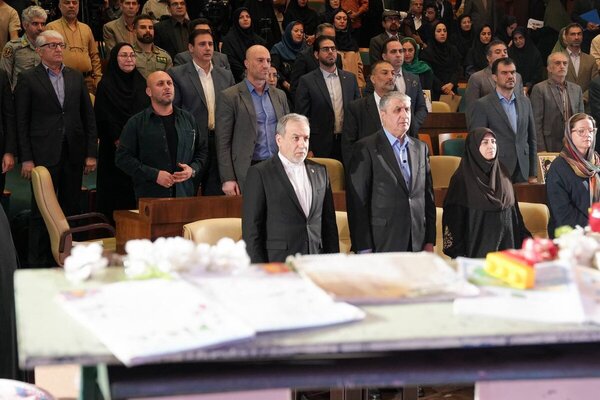
Abbas Araghchi, foreign minister of the Islamic Republic of Iran, spoke this morning at the international conference “Ecocide: The Silent War Crime.” Emphasizing the links between environmental destruction, public health, food security and international peace, he called for greater state accountability and stronger legal mechanisms to address the widespread destruction of nature during armed conflicts.
Araghchi stressed that the environment must not become the silent victim of war. The consequences of military attacks, he said, are not limited to human casualties and infrastructure damage. Pollution of water, soil and air, the destruction of forests and damage to natural resources can persist for years after hostilities have ended.
Military Attacks Leave Long-Term Environmental Damage
Referring to developments in Gaza, Lebanon and Iran, the foreign minister said military attacks had caused profound and, in some cases, lasting environmental damage in addition to their human and economic toll.
Describing the situation in Gaza, he cited damage to water and sewage networks, waste management systems, water and soil resources, as well as the accumulation of vast quantities of rubble and potentially hazardous materials. He stressed that the consequences could continue to affect the lives of the Palestinian people for decades.
Araghchi also recalled the consequences of fires and the destruction of forests and agricultural land in Lebanon, as well as attacks on oil storage facilities and the resulting pollution of the country’s coastline.
Regarding Iran, he said attacks on oil, refinery and energy facilities had created serious environmental hazards. According to the foreign minister, the release of hazardous compounds from oil fires can spread pollution from the air into the soil and water resources, potentially affecting the food chain as well.
Iran Supports Recognizing Ecocide as a Distinct International Crime
Araghchi stressed the need to hold those responsible for widespread environmental destruction accountable, saying that no state, institution or actor should consider itself above its international responsibilities.
He said the Islamic Republic of Iran supports legal and expert-level discussions aimed at strengthening international environmental protection, including consideration of recognizing ecocide as a distinct international crime.
The foreign minister also emphasized the need to comply with international humanitarian law, including the principles of distinction and proportionality, and to take into account the direct, indirect and long-term effects of military operations on the environment.
Araghchi described independent documentation of damage, scientific assessments of long-term consequences, and arrangements for compensation and the reconstruction of affected areas as essential elements of the international response to the environmental consequences of war.
No state, institution or actor should consider itself above its international responsibilities. The widespread destruction of ecosystems, the destruction of habitats, the contamination of water and soil, and severe and lasting environmental damage must be addressed through effective mechanisms for prevention, documentation, compensation and accountability. In this context, the Islamic Republic of Iran supports legal and expert-level discussions on ways to strengthen international environmental protection, including deliberations on recognizing ecocide as a distinct international crime.
Criticism of Double Standards on Environmental Protection
Iran’s top diplomat criticized what he described as double standards in environmental protection, stressing that safeguarding nature must not become a privilege for some countries and an obligation imposed on others.
He also called for an examination of the human and environmental consequences of unilateral coercive measures and restrictions that, he said, impede countries’ access to the financial resources, technology and equipment needed to manage environmental crises and address climate change.
Araghchi said environmental justice requires developing countries to have access to clean technologies, financial resources and the scientific capabilities they need. He stressed the importance of implementing environmental standards fairly, transparently and without discrimination.
Iran’s Three Proposals to Combat Environmental Destruction During War
The Iranian foreign minister went on to propose three priorities for strengthening international cooperation.
First, strengthen legal frameworks and establish clear criteria for identifying and addressing cases of widespread and severe environmental destruction.
Second, establish scientific and impartial mechanisms to document environmental damage caused by war and pursue legal accountability and compensation.
Third, expand regional and international cooperation to prevent the destruction of nature and restore damaged ecosystems.
Araghchi also stressed the need to use the potential of the COP31 summit to draw the international community’s attention to the consequences of military attacks for the environment and the climate of affected countries.
Concluding his remarks, he said Iran was ready to participate in collective efforts to strengthen regional cooperation and improve international accountability. “We must not allow aggressors to escape responsibility for their criminal actions.”