Iran, Pakistan close to finalizing free trade agreement: Official

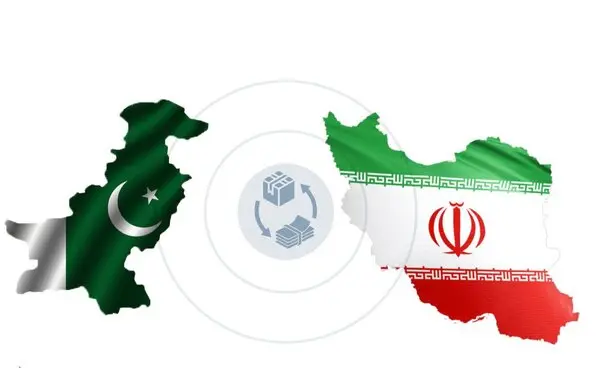
The deputy director of the East Asia and Subcontinent Office at the Iran Trade Promotion Organization says Iran’s trade with Pakistan is ongoing, and the two countries’ free trade agreement is in its final stages and is expected to be finalized by the end of this year.

Iran, Pakistan close to finalizing free trade agreement: Official
0 minute

In an exclusive interview with IRNA on Saturday, Mehrdad Siyadat-Nasab said the Iran-Pakistan free trade agreement has reached its final stages, adding that its implementation could boost bilateral trade by reducing customs costs.

He put Iran-Pakistan formal and informal trade at around $6 billion, saying it could exceed $10 billion given the existing economic potential.

Siyadat-Nasab said petrochemical products, liquefied gas, steel, tiles, and ceramics are Iran’s key export capacities to Pakistan, stressing the need to expand cooperation in industrial, agricultural, mining, and technical and engineering sectors.

He also highlighted the use of Pakistan’s port capacities, market knowledge, private-sector engagement, and development of logistical infrastructure as key factors in expanding bilateral trade.

 

Source: IRNA
Related News
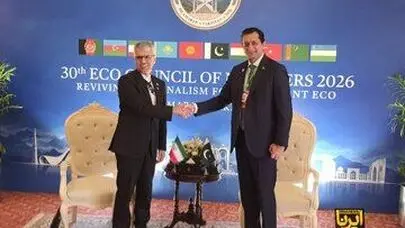
  • Spokespersons for the foreign ministries of Iran and Pakistan have discussed bilateral cooperation on the sidelines of the Economic Cooperation Organization (ECO) foreign ministers’ meeting in Islamabad.

  • Iran football team edged Pakistan 1-0 in their AFC U17 Asian Cup Uzbekistan 2027 Qualifiers Group D tie on Wednesday.

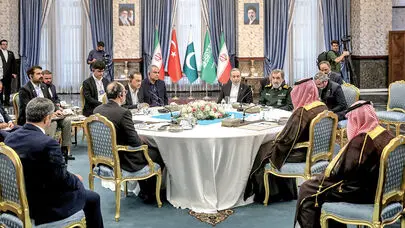
  • NOURNEWS – The simultaneous arrival in Tehran on Monday, October 26, of Saudi Defense Minister Khalid bin Salman, Pakistan’s army chief Asim Munir and Türkiye’s intelligence chief Ibrahim Kalin quickly turned from a diplomatic news story into a major issue in Iran’s political landscape and beyond. Immediately after the meeting, sharply different overarching interpretations emerged both inside and outside the country. One view sees the Tehran meeting as a sign that regional diplomacy is becoming more active and that regional countries are, in practice, acknowledging the necessity of Iran’s participation in future security arrangements. Another takes a skeptical view of the three countries, interpreting their presence in Tehran as an attempt to constrain Iran’s leverage, particularly in relation to the United States and the Yemen front.

Send Comment