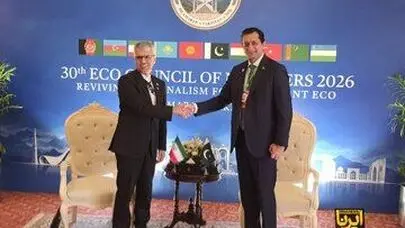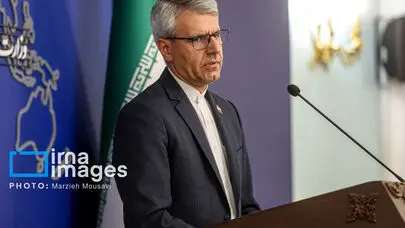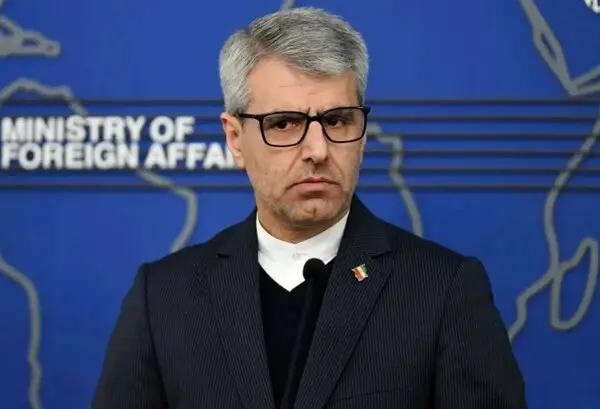
Baqaei said that by presenting baseless claims regarding Iran’s dams, the newspaper has effectively placed itself at the service of promoting the narrative of aggressors—aggressors who, during their illegal war against Iran, demonstrated a complete disregard for international humanitarian law and the most basic ethical principles.
Following Iran’s firm response and the widespread public outrage over The New York Times’ baseless and biased article on Iran’s dams - and the newspaper’s attempt to imply a connection between the country’s water infrastructure and military installations - I was invited by the newspaper to give an interview. I firmly declined, he said.
Baqaei continued that the reason is clear: The New York Times has dramatically failed to uphold the fundamental principles of professional journalism. By advancing unsubstantiated allegations that serve the narrative of aggressors who have already demonstrated utter disregard for international humanitarian law (IHL) and basic moral principles in their unlawful war against my homeland, it is effectively participating in the aggressors’ psychological warfare and media operations, seeking to shape public opinion in order to legitimize the aggression.
Its subsequent response, rather than accepting responsibility and offering an unequivocal apology, amounted to little more than a calculated retreat, wrapped in semantic maneuvering and an attempt to justify the original claim, he pointed out.
Baqaei stressed that reframing an allegation cannot compensate for the absence of evidence, nor does it absolve a publication of responsibility for having made it in the first place.
I declined the invitation because a media outlet that has itself become part of the machinery of war propaganda cannot simultaneously claim the role of an impartial arbiter and expect others to restore its damaged credibility, the Iranian Foreign Ministry spokesperson further said.