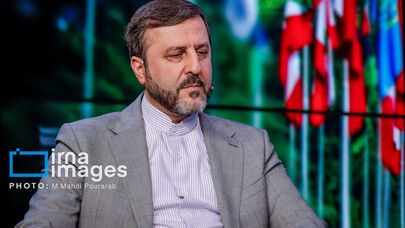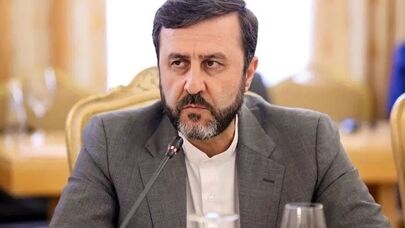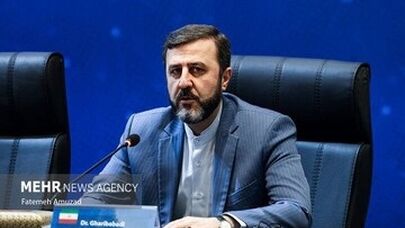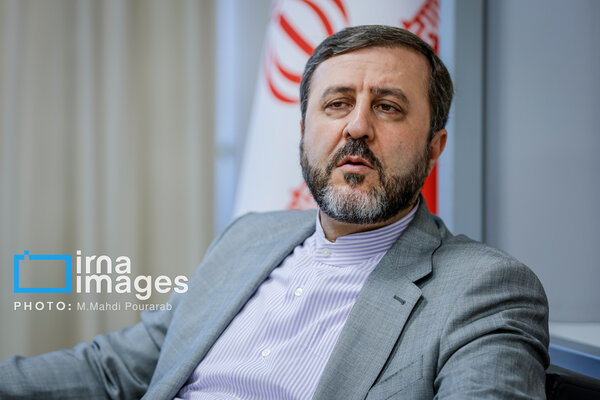
Speaking at a World Food Day conference on Monday, Gharibabadi said food security required access to sufficient, safe and affordable food. Geopolitical crises, wars, climate change, drought, resource constraints and supply-chain disruptions were threatening millions of people.
Agriculture, he said, was not merely an economic sector but a pillar of national security, independence, development and stability. Cooperation in the field could build trust, strengthen international relations and ease tensions.
Gharibabadi said Iran's climate diversity, skilled workforce and research institutions offered a basis for partnerships.
He cited technology transfer, joint research, investment in agricultural infrastructure, efficient water use and sustainable supply chains as priority areas. Regional cooperation is needed to tackle water shortages, drought and dust storms through better water management, low-water farming methods, knowledge-sharing and early-warning systems.
Gharibabadi warned that wars and unilateral sanctions disrupt production and trade, saying that food, water and medicine must not become political tools.
He added that Iran was ready to cooperate with interested countries and international organizations, including the UN Food and Agriculture Organization (FAO), to promote food security. He also said damage to agricultural infrastructure during the 12-day and 40-day wars had not prevented Iran from maintaining food security.