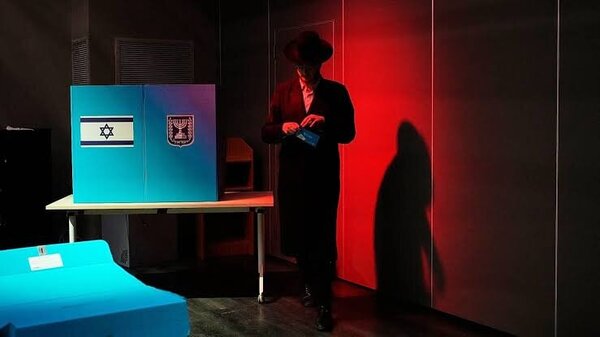
Elections to the Knesset, the parliament of the Zionist regime, were held as Western media outlets made extensive use of phrases such as “remarkable turnout,” “higher-than-expected participation,” “crucial and decisive election,” “democracy day in Israel” and “unprecedented election.” Through this language, they sought, on the one hand, to whitewash the regime’s terrorist nature and its crimes and, on the other, to present it as a symbol of democracy and a model for building a new Middle East. This propaganda campaign is unfolding even as developments before and after the election reveal major truths about the regime’s fascist nature, the fabricated character of Zionist democracy, and the need to hold the regime accountable and punish it rather than portray it as an entity entitled to determine the fate of the region’s peoples.
A Contest Between Criminal Camps: Different Names, the Same Nature
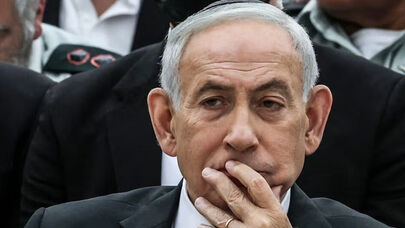
Although there are differences in the names of the parties, their campaign slogans and the public positions of the candidates in the Zionist regime’s elections, there is no meaningful difference in the nature of their conduct, from Netanyahu and Eisenkot to Bennett and Ben-Gvir. The records of these political factions are rife with crimes, killings and occupation. What is taking place in this election is not a political contest by conventional international standards, centered on economic, cultural and social issues. Rather, it is a contest among fascist and criminal figures and factions who, under a genuine human rights and democratic system, should be held accountable for their corruption and crimes. Netanyahu’s participation, despite his extensive legal cases and the International Criminal Court’s arrest warrant, exposes above all the theatrical nature of this election. It is an election presented as democratic but resembles a propaganda circus far more than a genuine political contest.
Fake Democracy: From Vote Manipulation to Electoral Apartheid
Through the use of carefully crafted language and the emphasis on voter turnout, Western media outlets have sought to whitewash the regime’s image and conceal its terrorist nature. Yet the conduct of political factions, including Likud and Netanyahu himself, was marked by widespread violations both before and during the election. Exploiting wartime conditions and creating an atmosphere of fear and intimidation, Trump’s overt intervention in favor of Netanyahu and Likud, and unusual spending to buy votes were only some of these violations. The controversy became so extensive that numerous political factions accused one another of illegal activities. In this context, allegations that Arabs had stolen votes also became a tool for covering up electoral violations, despite the police and the election committee rejecting those claims.
Alongside these violations, the conduct of Zionist leaders toward Arabs and Christians once again exposes the regime’s racist and apartheid-based nature. Claims about Arab participation serve as a cover for projecting an image of democracy, while regime leaders have sought, through allegations of fraud, to discredit Arab votes and divide them among their own political factions. This electoral apartheid shows that the appearance of participation has done nothing to change the regime’s extremist nature. Nevertheless, some Western governments are seeking to use the emphasis on Arab votes, while turning a blind eye to the prevailing racism, to justify maintaining relations, easing pressure and even suspending sanctions against the regime.
Deepening Divisions: From Social Crisis to Confrontation Between Military Officials and Politicians
By emphasizing high turnout, Hebrew-language and Western media outlets are presenting a picture of cohesion within Zionist society. Yet the fragmentation of the vote, the failure of those vying for the premiership to secure 61 seats, and divisions between supporters and opponents of the government point to a profound crisis and ethnic, social, political, linguistic and cultural rifts. A society formed through an artificial structure and on the basis of a combination of economic and ideological motivations is now facing more internal contradictions than ever. Street protests, reverse migration and political fragmentation are among the signs of this crisis. Given that a significant proportion of Zionists are armed, this crisis could lead to street clashes and even armed confrontations.
On the eve of the election, the rift between military officials and politicians also became more apparent. The verbal clash between Benjamin Netanyahu and Eyal Zamir, chief of staff of the Israeli military, at Palmachim Airbase over the possibility of a confrontation with Iran was a sign of serious differences in military assessments and political calculations.
US and Zionist military officials, drawing on realities on the ground, view the Ramadan War not as an achievement but as a failed operation that strengthened Iran’s ability to retaliate and paved the way for its control over the Strait of Hormuz. Declining weapons stockpiles, the destruction of US bases in the region, the enormous costs of the war, and the inability to secure sufficient weapons and personnel, alongside the capabilities of the Resistance Front and the regime’s failure to achieve its objectives even in Gaza, are among the main points of warning that military officials have raised with politicians such as Netanyahu, who view war as a tool for their own political survival. For this reason, despite sharing the same criminal nature, the differences between the political and military camps will become more pronounced in the future.
A Minority Claiming to Determine Region’s Fate: Exposing Great Contradiction of Zionist Democracy
By highlighting the 77% turnout, Hebrew-language and Western media outlets are seeking to portray the regime as democratic. Yet this figure refers to approximately 7.4 million eligible voters. In a region that includes numerous countries with populations several times larger than this figure, presenting such a system as a model of democracy is incompatible with the region’s demographic and political realities and reflects a racist and supremacist outlook.
The fundamental question is this: By what logic does a regime with only around 7 million eligible voters presume to make decisions for millions of people across the region and speak of building an Israeli Middle East? How can the West, which presents itself as a defender of democracy and popular sovereignty, accept and support the idea of a minority ruling over a majority?
With its nature as it is, the Zionist regime cannot use claims of saving nations and building a new region to justify its occupation and crimes. Deceptive democracy, although it has become a propaganda weapon for Western media outlets, is powerless against the truth about the regime’s nature and the determination of the region’s peoples to confront occupation and crime through resistance.