The parliamentary elections in the Zionist regime were held under circumstances unlike those of previous elections. The repercussions of Operation Al-Aqsa Flood and subsequent regional developments, including repeated acts of aggression against Iranian territory, have made the contest over Benjamin Netanyahu’s political future more complicated. Meanwhile, the show of strength by opposition forces challenging Netanyahu’s government, along with increased participation by Arab citizens and the potential role of their parties in determining the 61-seat majority, were among the key features of this election.
The Israeli election campaign was not merely about whether Netanyahu would remain prime minister. It was also closely tied to serious disagreements over how to manage the war against Iran and the future of the regime’s security policies. Nevertheless, the opposition’s shared determination to remove Netanyahu does not necessarily indicate fundamental differences over the Zionist regime’s military policies.
An increase in turnout among Arab citizens of Israel and a stronger position for Arab parties in the Knesset could also affect the calculations involved in forming a government, particularly given that neither bloc can secure a majority of 61 seats without sufficient support from other parties.
An Election Unlike Previous Contests
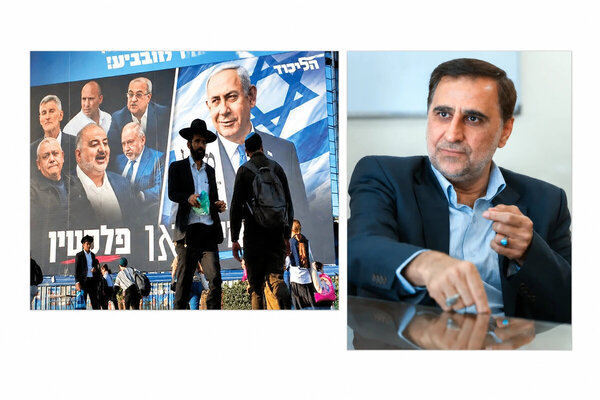
Against this backdrop, the political situation in the occupied territories is highly complex. Although the final official election results have not yet been announced, available indications suggest that Israel’s political scene is heading into a period of heightened tension. Masoud Asadollahi, a senior expert on West Asian affairs, examined current trends in Israel’s electoral landscape in an interview with Nournews.
Explaining what distinguishes this election, he said: “This election in Israel differs from previous ones in several respects because it is being held after major regional developments following Operation Al-Aqsa Flood. Extensive changes have taken place in Palestine and other parts of the region during this period, and Netanyahu has sought to portray these developments as evidence that the regional balance of power has shifted in Israel’s favor.”
However, this narrative does not appear to have won over all segments of Israeli society. Some oppose Netanyahu’s policies, particularly the continuation of the war and the way it has been managed. One of the opposition’s main criticisms is that Netanyahu has turned the war into an issue tied to his own political survival. In their view, prolonging the state of war could help him remain in power and also affect the handling of his legal cases. This, of course, is part of the opposition’s analysis of his political motivations.
The analyst of Israeli affairs continued: “In this election, the contest between Netanyahu and a range of political figures and movements opposed to him has taken on particular significance. Despite their ideological differences, these forces share opposition to his continued premiership. The important point is that not all of Netanyahu’s opponents can be classified as left-wing forces. Some prominent figures in this camp have right-wing backgrounds and leanings and do not differ fundamentally from Netanyahu on security and military issues. It is therefore necessary to distinguish between opposition to Netanyahu personally and disagreement with Israel’s broader policies.”
Increased Turnout Among Arab Citizens of Israel
Asked how the votes of Arab citizens of Israel could be explained, Asadollahi said: “One of the important issues in this election is turnout among Arab citizens of Israel, particularly Palestinians who live within the 1948 borders and hold Israeli citizenship.
“In previous elections, turnout in this community was low in some cases. Part of the reason was a lack of trust in Israeli political parties and doubts about whether their votes could make a difference. In this election, however, some Arab voters appear more motivated to participate because they believe the outcome could affect the regime’s political future and their own circumstances.
“According to reports circulating during the initial vote count, increased turnout in this community could raise the number of seats held by Arab parties to around 18 or 19. If confirmed in the final results, that figure could strengthen these parties’ political position. In practical terms, if seats are closely divided between the two main blocs, an increase of this kind could give Arab parties a more decisive role in negotiations to form a government.”
Asked about Netanyahu’s campaign strategy, the regional affairs analyst said: “During the election campaign, Netanyahu urged his supporters to turn out at the polls to prevent his opponents from forming a government. He also warned of the possibility that his opponents could form a government with the support of Arab parties.
“These messages came at a time when turnout among different groups of voters could affect the final composition of parliament. Later in the day, supporters of right-wing movements also mobilized to increase participation. However, an accurate assessment of the impact of these developments requires examining the official results and the breakdown of votes across different constituencies. Preliminary figures and television networks’ projections do not necessarily match the final outcome.”
He noted that Israel’s parliament, the Knesset, has 120 seats and that securing the support of a majority of lawmakers, or at least 61 seats, is essential to forming a government. Under the analysis being discussed, Netanyahu’s coalition had been estimated to hold around 57 to 58 seats, but its current position was in the range of 53 or 54. He therefore faces a shortfall of several seats in his bid to secure a majority.
Under these circumstances, coalition negotiations become particularly important. Smaller parties, independent lawmakers and groups in pivotal positions can influence the composition of the government. Netanyahu’s opponents, meanwhile, must also secure sufficient backing from different parties and lawmakers to form a government. Even if the two sides share a position on whether to support or oppose Netanyahu, ideological and political differences may prevent them from reaching a final agreement.
One scenario under discussion is that Arab parties could support a government formed by Netanyahu’s opponents without directly joining the cabinet. Whether such a scenario materializes would depend on political agreements and how the parties engage with one another; it cannot be taken for granted.
The international affairs expert stressed that, under Israel’s political system, winning the largest number of seats does not by itself guarantee that a party’s leader will become prime minister. The ability to form a coalition and secure the necessary support in parliament is also crucial. Ultimately, however, no definitive assessment of the next government’s fate can be made until the official results are announced and the coalition-building process becomes clearer.
Would Netanyahu’s Departure from Power Make a Difference for Iran?
Asked what difference it would make to the Islamic Republic of Iran if Netanyahu remained in power or was replaced, Asadollahi explained: “To answer this question, it is necessary to distinguish between the personal and political differences among Israeli leaders and the continuation of the regime’s security and military strategies. With regard to Iran, it cannot be assumed that Netanyahu’s departure would necessarily bring about a fundamental change in Israeli policy. Some of his rivals also have military backgrounds and take hard-line positions on security issues. They may continue to pursue a confrontational approach toward Iran, an approach that has also featured in discussions of previous wars in Lebanon and Israel’s subsequent military operations.
“The difference highlighted by Netanyahu’s opponents relates primarily to how the war is managed and strategic decisions are made. They claim that Netanyahu has allowed considerations related to his political survival to influence military decisions. By contrast, they argue that the war should be managed on the basis of security and strategic assessments. Such claims, however, do not in themselves mean that Israel’s fundamental policies toward Iran would change. Assessing this would require examining the next cabinet’s official positions, practical decisions and actual conduct.
“On the other hand, a change of prime minister could have political and psychological consequences. If someone who has presented himself as a central figure in Israel’s security loses power, this could affect Israel’s domestic political climate and public perceptions of his performance.”
Asadollahi concluded: “From a military and security perspective, the departure of a single prime minister is not, in itself, grounds for concluding that the mutual threats or strategic differences between Iran and Israel will disappear.”