Iran, 11 other countries condemn attacks on IAEA-safeguarded nuclear facilities

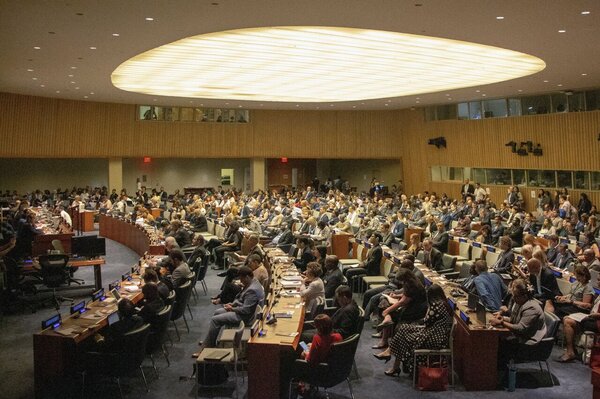
Iran, together with 11 other countries, issued a joint statement at the 81st session of the United Nations General Assembly First Committee, calling for a complete prohibition on all forms of attack and threats against nuclear facilities under International Atomic Energy Agency (IAEA) safeguards.

Iran, 11 other countries condemn attacks on IAEA-safeguarded nuclear facilities
0 minute

In their statement issued on Friday, Iran and the co-sponsoring countries – Russia, China, Belarus, Burkina Faso, Cuba, Eritrea, Nicaragua, Niger, Pakistan, Tajikistan, and Zimbabwe- emphasized the inalienable and non-discriminatory right of all states to develop and use peaceful nuclear energy.

They characterized any attack or threat of attack against nuclear facilities as a violation of the principles of the UN Charter, international law, and the IAEA Statute.

Citing relevant resolutions of the UN Security Council and the IAEA, the countries warned that such attacks carry grave consequences for nuclear safety and security and pose a serious threat to the credibility of the IAEA safeguards system and the global non-proliferation architecture.

The countries stressed that nuclear facilities must under no circumstances be subjected to attack or threat of attack, and that silence in the face of such attacks undermines international norms and increases the risk of their normalization.

The statement further called on all UN member states to unite in explicit and firm opposition to any attack or threat of attack against nuclear facilities, in order to strengthen nuclear safety and security and support the peaceful use of nuclear energy.
 

Source: IRNA
Related News
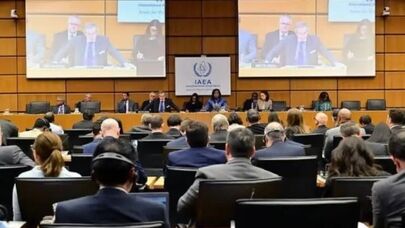
  • Lashing out at performance of the International Atomic Energy Agency (IAEA), the head of Atomic Energy Organization of Iran (AEOI) says UN nuclear watchdog has failed to fulfill duty to support peaceful use of nuclear energy.

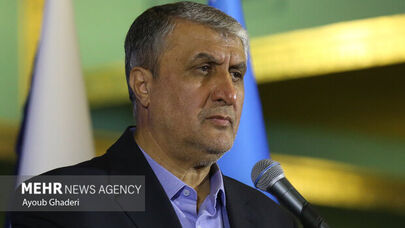
  • Austria’s refusal to allow Mohammad Eslami to attend the Vienna meeting, amid growing evidence of U.S. pressure behind the decision, has not only raised questions about the host country’s obligations and Europe’s claims of upholding international law, but has also deepened Iran’s crisis of confidence in the International Atomic Energy Agency (IAEA) and the independence of international institutions.

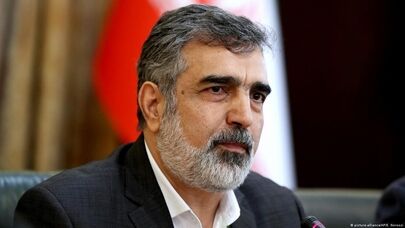
  • The spokesperson for the Atomic Energy Organization of Iran (AEOI), Behrouz Kamalvandi, has described preventing AEOI chief Mohammad Eslami from attending the IAEA General Conference as a dangerous precedent for all countries, stressing that the agency and its member states must stand up to US bullying and political pressure.

Send Comment