Nournews: Several points are worth noting in this regard.
1. Low-level participation undermines the summit’s political standing
Established in 1992, CICA has 28 member states. According to Anadolu Agency, only seven presidents and one monarch—the Emir of Qatar—attended the summit. The number of presidents and heads of state participating in a summit is generally an indicator of its political significance. On October 1, 2026, CICA’s secretary-general had also called for a large number of national leaders to attend the summit in Azerbaijan.
The limited participation of heads of state in Baku inevitably diminished the summit’s political standing. Nevertheless, despite knowing in advance how many national leaders would attend, Israel sent Herzog to Baku in the hope of finding a way out of its international isolation.
2. Thirteen delegations walk out during Herzog’s speech
At the summit, an incident similar to the one involving Benjamin Netanyahu in New York was repeated: diplomatic delegations from 13 of CICA’s 28 member states walked out of the conference hall while the Israeli president was speaking.
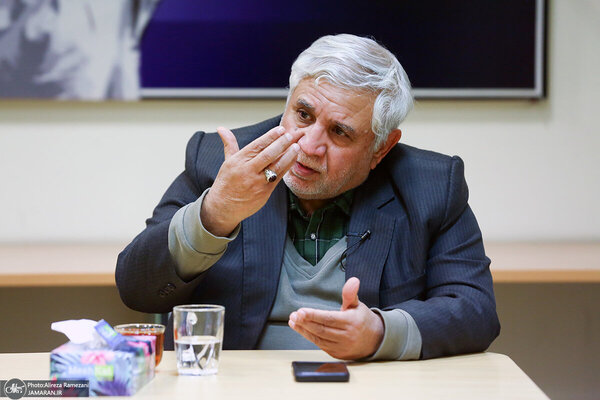
The delegation of the Islamic Republic of Iran, led by Kazem Gharibabadi, Iran’s deputy foreign minister for legal and international affairs, was among the first to leave the hall in protest against Israel’s alleged war crimes against the people of Gaza. Twelve other delegations also walked out.
Walking out of an international summit is a symbolic diplomatic gesture and a form of protest intended to publicly discredit the country being targeted. The departure of delegations during Herzog’s speech not only created an unfavorable image for Israel but also highlighted its international isolation, particularly in Asia.
3. Azerbaijan faces criticism over Herzog’s invitation
As a member of the Organization of Islamic Cooperation (OIC), Azerbaijan should have refrained from inviting Herzog to attend the CICA summit in light of Israel’s actions in Gaza.
Protests against Azerbaijan’s decision from various countries, particularly Türkiye, Iran and Pakistan, which maintain close ties with Baku, could also undermine Azerbaijan’s standing and legitimacy in the Muslim world.
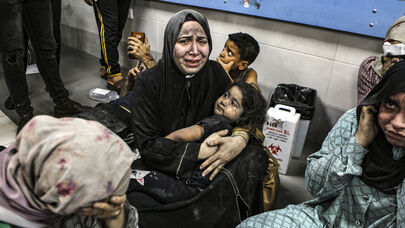
Opposition to Israel’s actions in Gaza and the humanitarian catastrophe in Palestine has become one of the main sources of protest among Muslim-majority countries. Any attempt by Baku to provide a platform for justifying these actions is likely to face strong opposition from supporters of the Palestinian cause.
It is worth noting that a Pew Research Center survey conducted in spring 2026 found that 67 percent of respondents across 36 countries surveyed held unfavorable views of Israel, reflecting widespread negative perceptions of the country.
4. Iran calls for Israel’s expulsion from CICA
At the CICA summit, Iran’s deputy foreign minister called for Israel to be expelled from the forum.
The call was timely and necessary, and could help turn Israel’s expulsion into a broader Asian and international demand. CICA was established primarily to promote peace, security, stability and cooperation across Asia. Today, Israel is a major source of insecurity and instability in the region, making its removal from CICA’s institutional framework an issue that deserves serious consideration.
Although achieving this objective would face significant challenges, it should be placed on the Foreign Ministry’s agenda and pursued at appropriate diplomatic opportunities.