on

Iran says Hormuz reopening hinges on conditions, diplomacy remains open

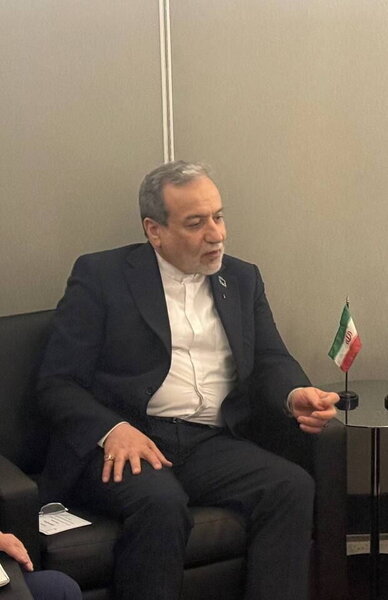
Iranian Foreign Minister Abbas Araghchi says that Tehran’s main message during meetings on the sidelines of the 81st UN General Assembly was that reopening the Strait of Hormuz would depend on conditions set by the Supreme National Security Council (SNSC), stressing that Iran had never closed the door to negotiations, while maintaining its rights.

Iran says Hormuz reopening hinges on conditions, diplomacy remains open
0 minute

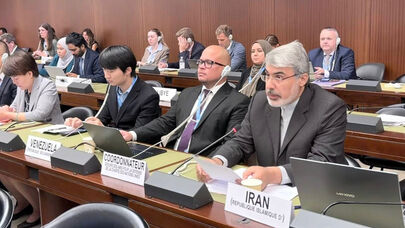
Speaking to Iranian reporters in New York, Araghchi said Iran had maintained an active diplomatic presence at this year’s UN gathering. President Masoud Pezeshkian returned to Tehran after holding multiple meetings, giving interviews and delivering a major address, the minister said.

The foreign minister noted that he also met with foreign officials and counterparts.

He said Iran’s conditions for reopening the strait were clearly presented and defended in all meetings and conveyed to mediators, who then communicated them to the US side.

Araghchi said Iran had also presented several diplomatic proposals, but had yet to receive a formal response through the mediators. He noted that statements by the US president had been contradictory and said Tehran was awaiting a definitive position before deciding its next steps.

The minister said Iran had demonstrated its strength in military, diplomatic and economic spheres and argued that a negotiated solution based on dignity, justice and legitimate rights was the only way forward.
 

Source: IRNA
Related News
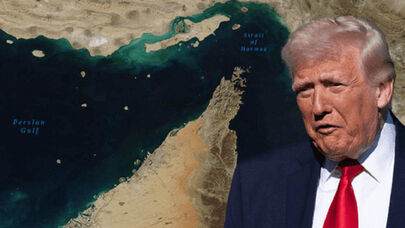
  • NOURNEWS – While Trump speaks of Iran’s defeat and full control of the Strait of Hormuz, global markets appear to be taking a different narrative seriously. Orders for more than $20 billion worth of VLCC tankers and shifts in energy trade routes indicate that market participants are preparing for a Strait of Hormuz different from the one of the past

  • Iran should not be blamed for the global economic impacts resulting from the restrictions it has imposed on transit via the Strait of Hormuz, says a senior diplomat.

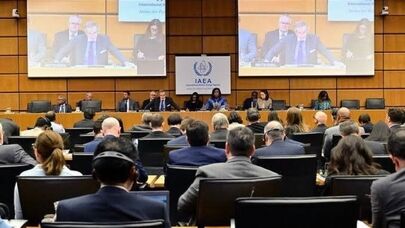
  • The meetings of the IAEA Board of Governors and the UN Security Council on Iran have become platforms for Western political pressure, while opposition from China and Russia has exposed cracks in the Western consensus. At the same time, Rafael Grossi’s claims regarding activities at the Kuh-e Kolang site and developments in the Strait of Hormuz have added new dimensions to the confrontation facing Tehran and Washington.

Send Comment