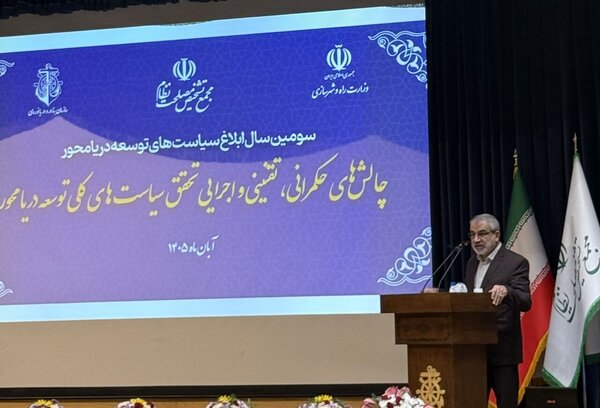
Speaking at a meeting on governance, legislative, and executive challenges in implementing maritime development policies in Tehran on Sunday, Abbas-Ali Kadkhodaei said the policies were essential to connecting the Constitution’s aspirations with the country’s broader strategic direction.
He said the Constitution could not address every issue arising from changing national circumstances, making overarching policies necessary to guide the country’s medium-term course. Iran has 38 policy areas covering various provisions, he added.
Kadkhodaei said the martyred Leader of the Islamic Revolution, Ayatollah Seyyed Ali Khamenei, had regarded the general policies as the system’s framework for coordinating the conduct of its institutions. Maritime development policies had been carefully prepared and reflected a long-term, civilizational vision, he noted.
Despite having seven coastal provinces in the north and south and extensive coastlines, Iran had made limited use of its maritime resources and links to the oceans, he said.
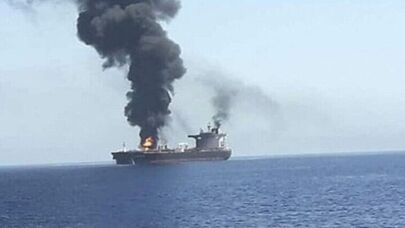
Kadkhodaei argued that recent developments in the Strait of Hormuz had shown the American public the consequences of US policymakers’ decisions.
He warned that a significant gap remained between policy formulation and implementation, calling for faster action and closer coordination between the Expediency Council and executive bodies.
During the meeting, Mehdi Hashemi, head of the council’s Infrastructure Commission, said the effectiveness of maritime policies mattered as much as their stated objectives, urging Iran to make fuller use of its regional and global position.