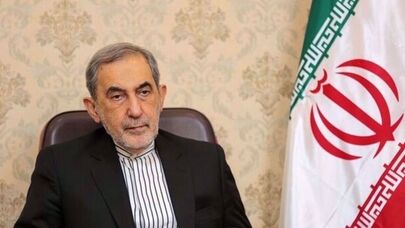
At a time when the war against Iran and Tehran’s forceful response have dealt electoral blows to Donald Trump and Benjamin Netanyahu, while acceptance of Iran’s seven conditions is seen as the way to prevent further escalation, Anwar Gargash, diplomatic adviser to the UAE president, has claimed that his country’s security rests on its defensive capabilities and the protection of its sovereignty. He has spoken of the UAE’s readiness to defend its territory and deter aggression, warning that any attack would carry a heavy price. Gargash has also described diplomacy and deterrence as complementary tools.
These claims are at odds with the UAE’s alignment with the aggressors in the Ramadan War against Iran and Abu Dhabi’s claims of neutrality. The election results should also serve as a lesson for those who continue to place their faith in externally imposed security arrangements.
Collapse of the Security Umbrella: The End of the Illusion of Reliance on Foreign Powers
The Ramadan War exposed the ineffectiveness of a rented security umbrella that dependent countries believed they could secure by spending hundreds of billions of dollars annually on American weapons. These countries effectively became arms depots for the United States, while Washington demonstrated that Israel’s security matters to it, not that of others. The collapse of U.S. military bases despite tens of billions of dollars in spending exposed Washington’s inability to protect even its own military installations.
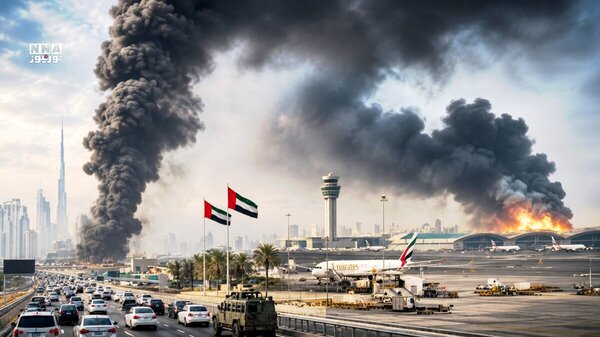
The UAE has purchased billions of dollars’ worth of American weapons and hosted Israeli military systems, including the Iron Dome. Despite claiming to be prepared, the UAE and several other Arab states did not dare allow their territory to be used by the United States and Israel to launch attacks against Iran, knowing the heavy price such a move would entail. Iran’s missile and drone strikes against the aggressors’ bases and interests brought those costs into sharp focus. The UAE’s record in Yemen also illustrates the illusion of outsourced security.
Trump and Netanyahu’s Defeats: A Warning to Regional Partners
In the Knesset elections and the U.S. midterm congressional elections, Netanyahu was pushed toward the political exit, while Trump and the Republicans suffered major defeats in both chambers of Congress. The common thread behind these setbacks was the fallout from the war against Iran.
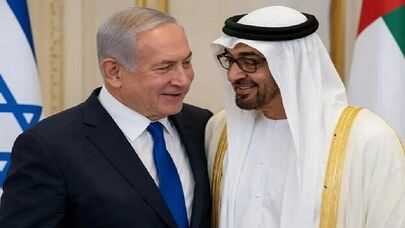
The UAE and several regional leaders had pinned their hopes on the two figures. In an effort to keep them in power, they accepted hosting Netanyahu, participating in sanctions and the naval blockade of Iran, and even aligning themselves with military aggression. They are now facing the consequences of those choices.
This outcome demonstrates that aligning with powers whose domestic political standing is unstable cannot guarantee the interests of other countries. A Trump who is increasingly losing support among the American public and even within his own Republican Party cannot be considered a reliable regional ally. The UAE’s alignment with such political actors comes at a cost.
Tehran: A Path Toward Indigenous Regional Security
Unlike Gargash, many countries in the region are seeking to localize security arrangements and draw on Iran’s capabilities. The Tehran meeting, attended by senior officials from Saudi Arabia, Turkey and Pakistan, and its emphasis on confronting the Israeli regime as a common enemy, reflects this approach.
If the UAE wants a new security framework, it must change its behavior rather than prescribe terms for Iran’s surrender, make unfounded claims about our country’s territorial integrity, or host the Israeli regime. Such a shift could pave the way for Abu Dhabi to join regional countries working to establish indigenous security arrangements.
The UAE cannot claim to support regional security while simultaneously disrupting a meeting of countries bordering the Persian Gulf and the Sea of Oman, which was on the agenda at the initiative of Tehran and Muscat, with the Strait of Hormuz as its central focus.
The Cost of Aligning with Aggressors: Iran’s Deterrence Has Changed
Gargash has claimed that Iran’s capabilities have been weakened by the war, echoing the positions of Trump and Netanyahu. Yet U.S. and Israeli military officials have acknowledged Iran’s newly developed capabilities. Iran’s ability to manage the Strait of Hormuz and its impact on global financial markets also undermine claims that the country has been weakened.
Iran has consistently emphasized brotherly coexistence with its neighbors. However, the aggression of its enemies and the support some countries have provided them have changed the situation. Iran has removed restrictions on the range of its missiles and no longer recognizes geographical limitations when it comes to punishing aggressors and those who support them. The era of strategic patience is over, and robust deterrence is now at the heart of Iran’s approach. Countries that allow their territory to be used by aggressors could themselves become legitimate targets for Iran.
Gargash should understand that lasting security cannot be achieved by purchasing weapons and hosting foreign military systems. It requires respect for the sovereignty of neighboring countries and participation in indigenous regional security arrangements. Ending interventionist policies and abandoning alignment with aggressors in regional affairs are also unavoidable necessities.