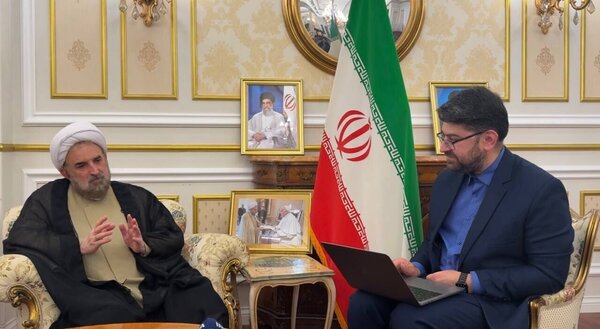
Iran’s Ambassador to the Vatican, Mohammad Hossein Mokhtari, has criticized US Secretary of State Marco Rubio’s remarks in Athens about Iranian civilization, describing them as rooted in ignorance and prejudice.
Mokhtari called Rubio’s recent comments at the Acropolis, a UNESCO World Heritage Site, an “unethical and provocative act,” saying the US official had used the occasion to justify hawkish positions and threats against Iran out of desperation.
Human civilization’s history is not a field for political fantasies or judgments born of ignorance and prejudice, Mokhtari said. Civilizations were built over thousands of years through human thought, culture, knowledge and effort, and their legacy could not be dismissed through superficial claims or distorted accounts, he added.
Mokhtari highlighted Iran’s historical and spiritual standing, citing references to the country in religious texts. In the Old Testament, he said, Cyrus the Great is presented as the Lord’s anointed and chosen instrument for fulfilling divine will. The books of Ezra, Daniel, and Esther also refer to Persian kings, the grandeur of the Persian Empire, and their role in the fate of nations.
He said the Avesta, a central text of Zoroastrianism, reflects Iran’s spiritual heritage through its emphasis on truth, wisdom, good thoughts and the struggle against falsehood and evil.
These religious and historical accounts demonstrate that Iranian civilization was not only a major power in the ancient world but also left a lasting mark on religious history, spiritual thought, and pivotal human developments, he added.
Mokhtari said Iran’s heritage extended beyond palaces, kings, and conquests to encompass thought, culture, and spirituality.
He stressed that credible judgments about civilizations require thorough research, reliable evidence, and an impartial understanding of their historical and cultural contexts, rather than selective narratives or political propaganda.