
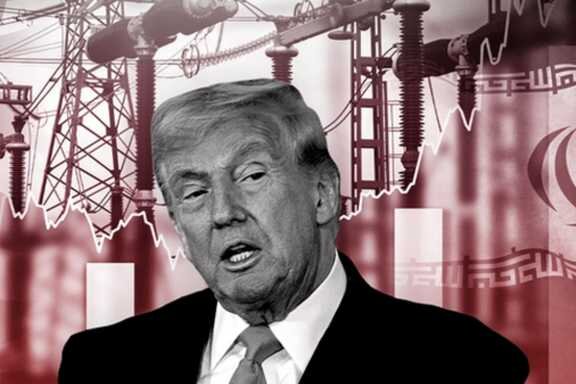
In the contemporary world, wars are no longer confined to military and weapons arenas; cognitive and psychological dimensions have become among the most decisive factors in determining victory or defeat. In such conditions, "perceptual warfare" has emerged as a key instrument, playing a central role in managing public opinion and shaping societal perceptions. Media outlets, social networks, and propaganda tools have become the primary battlegrounds of this type of conflict-where the objective is not physical destruction, but the weakening of will and national cohesion.
Disrupting the mental focus of decision-makers and opinion shapers, creating doubt within society, instilling despair, and attempting to fracture national unity are among the principal aims of this kind of confrontation. Particularly when diplomacy itself becomes part of a broader military strategy, managing the cognitive environment assumes even greater importance. Within this framework, Donald Trump's conduct indicates that he has made serious use of these tools, seeking to shift the balance in his favor through contradictory messaging and media-driven narratives.
Focusing on keywords such as "who is the leader" and promoting the notion of internal discord in Iran forms part of this strategy, aimed at creating divisions within the country. However, domestic and international reactions indicate that this approach has failed to achieve its intended objectives.
Division and scapegoating: tools for concealing failures
At the present juncture, US military and diplomatic pressure against Iran has not yielded the results sought by Washington. This has driven Trump to rely more heavily on instruments of perceptual warfare. Through a strategy of division, he has attempted to spread an atmosphere of despair within Iranian society and to downplay national achievements.
Creating discouragement about continued resistance, amplifying presumed divisions, and projecting inefficiency have been among the central pillars of this policy. Alongside these efforts, claims such as readiness for large-scale attacks, escalation of a maritime blockade against Iran, threats to return Iran to the "Stone Age," and raising the prospect of closing the Strait of Hormuz have been deployed as complementary tools to generate psychological pressure.
In addition, statements by some Israeli officials claiming readiness for war with a green light from the United States form part of the same psychological operation. The aim of these actions has been to weaken Iran's principal strength in the conflict-public presence and support-and to distort the reality of negotiations by attributing US failures to alleged internal divisions within Iran.
However, the linkage between the battlefield, the public sphere, and diplomacy has effectively neutralized this strategy. Active public participation, cohesion among institutions, and coordinated management of the political and media environment have demonstrated that such psychological operations cannot achieve their intended goals.
Accumulating failures and mounting crises in the United States
Trump's recent record reflects a series of political, economic, and even security-related crises and controversies. The resignation or dismissal of senior officials, internal disputes, and widespread dissatisfaction point to a complex situation facing the US administration. Under such circumstances, emphasizing external threats and amplifying tensions has become a tool for diverting domestic public opinion.
Reports from US intelligence and military bodies have rejected claims regarding the destruction of Iran's military capabilities and have even pointed to vulnerabilities in certain US defense infrastructures. According to these reports, replacing expended equipment and munitions could take years. At the same time, limitations in weapons production capacity have made the gap between rhetoric and reality increasingly apparent.
In the economic sphere as well, Trump's declared policies have failed to produce the expected impact on global markets, particularly oil prices. In some cases, stated decisions have even contradicted actual measures, contributing to uncertainty and a lack of trust. Declining domestic approval-falling to low levels in some polls-reflects public dissatisfaction with the administration's performance.
Revelations concerning the economic interests of the Trump family have further compounded these crises, reinforcing the overall picture of an administration grappling with multiple challenges. In this environment, efforts to maintain a "neither war nor peace" status can be interpreted as a strategy to buy time and manage these crises.
Iran's strategy: national cohesion and neutralizing perceptual warfare
In response to these conditions, the most important factor in Iran's success has been the preservation of national cohesion and the strengthening of convergence among different segments of society and governance. A unified message from political and military officials, an emphasis on unity and solidarity, and the active role of the public have all contributed to the failure of perceptual warfare.
The armed forces' emphasis on a decisive response to any threat, the insistence of the diplomatic apparatus on securing national rights without retreat, and the continued presence of the public on the scene point to the formation of a coordinated pattern in confronting external pressure. This coordination has prevented the realization of divisive objectives and has rendered distorted narratives ineffective.
The role of the media is especially critical in this context, as it can raise public awareness, clarify the mechanisms of perceptual warfare, and reduce their impact. Accurate information dissemination, realistic analysis, and the preservation of social calm are among the key measures in this regard.
Ultimately, maintaining the linkage between the battlefield, the public sphere, and diplomacy as an effective strategy can pave the way for the full neutralization of such forms of warfare. Experience has shown that whenever this cohesion has been preserved, external efforts to create division and instability have failed. Strengthening this solidarity, therefore, is not only a response to current threats but also a guarantee for safeguarding national interests in the future.
NOURNEWS