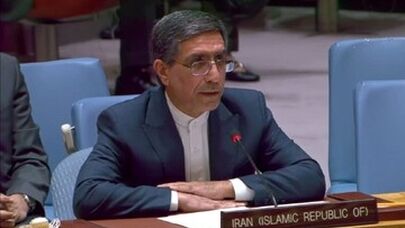
Speaking to IRNA on Tuesday, Shahram Zarneshan, an international law scholar at Allameh Tabataba’i University, said aviation ties between countries were expanding, with many governed by the 1994 Chicago Convention on International Civil Aviation and related agreements.
“Under this legal framework, states enjoy specific freedoms of air navigation and can expand their aviation ties. Therefore, imposing restrictions or prohibitions on such ties may raise legal concerns if they violate states’ international obligations under relevant agreements,” he said.
Zarneshan said countries that have air transport and transit agreements with Iran could also incur international responsibility if sanctions-related restrictions prevent them from fulfilling their commitments.
He stressed that the implications of aviation sanctions should be assessed not only in political and economic terms, but also in light of their impact on flight safety and passengers’ rights.
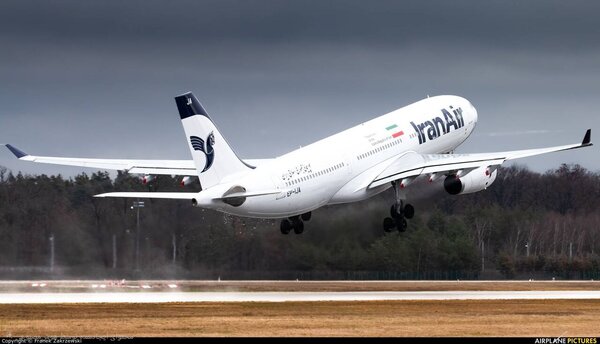
The remarks come as Washington has intensified sanctions against Iran’s civil aviation sector. On September 8, the US Treasury Department announced sanctions targeting 36 entities and individuals linked to Iran’s aviation industry, including foreign companies and intermediaries. The measures also expose foreign service providers dealing with sanctioned Iranian airlines to the risk of penalties.